Welcome to the ultimate guide on UGC Creators Viral Marketing Campaigns. User-Generated Content (UGC) is a powerful tool in the modern marketer’s arsenal. Its importance lies in its authenticity and the trust it builds with audiences. When users create content about a brand, it serves as a genuine endorsement, which can significantly influence potential customers.
In this guide, we will explore the best practices for creating compelling UGC campaigns. From encouraging creativity in your audience to ensuring their content aligns with your brand’s message, these practices help in crafting campaigns that resonate deeply with your target market.
We’ll also delve into the top platforms for UGC marketing. Social media giants like Instagram, TikTok, and YouTube are prime venues for UGC, each offering unique ways to engage with users and amplify their content. Understanding the nuances of these platforms will empower you to select the best fit for your campaign.
Finally, measuring the success of UGC campaigns is crucial. Metrics such as engagement rates, reach, and conversion rates provide insights into how well your campaign is performing and areas that may need adjustment. By the end of this guide, you’ll be equipped with the knowledge and strategies to leverage UGC effectively, turning your audience into powerful brand advocates.
Building on our ultimate guide to UGC Creators Viral Marketing Campaigns, it’s essential to understand the foundation of user-generated content (UGC) and its significance in today’s marketing landscape. Let’s dive into what UGC is and why it matters.

Definition of UGC
User-generated content (UGC) refers to any form of content—such as images, videos, text, and audio—created by consumers rather than brands. This content is often shared on social media platforms, product reviews, and other online forums, making it a powerful tool for marketing campaigns. UGC can organically promote a brand and foster a sense of community among its audience.
Benefits of UGC for Brands
Integrating UGC into marketing strategies offers numerous advantages:
- Authenticity: UGC provides genuine and relatable content, which is more likely to resonate with potential customers compared to branded advertisements.
- Engagement: UGC encourages interaction and discussion among users, leading to increased engagement rates on social media platforms.
- Cost-effective: Leveraging user-generated content can reduce the need for expensive marketing campaigns, as the content creation is crowd-sourced.
- Trust and Credibility: Potential customers are more likely to trust reviews and content from other users rather than traditional advertising methods.
Examples of Successful UGC Campaigns
Many brands have seen tremendous success by incorporating UGC into their marketing strategies. For instance, the famous “Share a Coke” campaign by Coca-Cola encouraged consumers to share photos of themselves with personalized Coke bottles on social media. This not only increased brand visibility but also fostered a personal connection with the audience.
Another notable example is the GoPro Awards, where the brand invites users to submit their best action shots and videos, showcasing the high-quality content captured using their products. This approach has significantly bolstered GoPro’s brand image and community engagement.
Understanding these elements is crucial for effectively leveraging UGC in your marketing efforts. For a deeper dive into related core concepts, you can explore our guide on UGC creators. Additionally, a high-quality study on the impact of UGC in marketing provides valuable insights into its effectiveness.
Now that you understand the importance of user-generated content (UGC) in your marketing strategy, it’s time to delve into best practices for creating UGC content that truly resonates with your audience. Let’s explore how you can inspire customers, ensure quality, and effectively incentivize participation.
How to Inspire Customers to Create Content
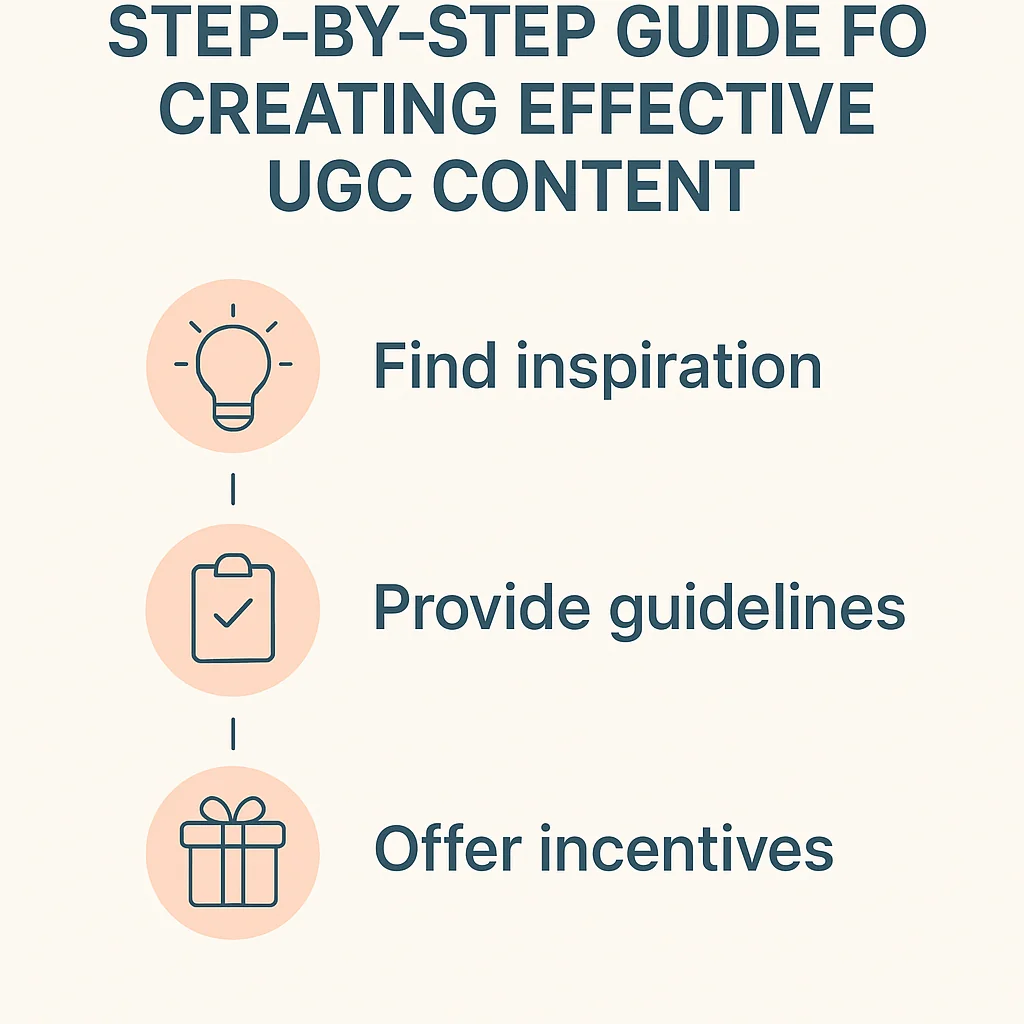
Inspiring customers to create content starts with engaging them authentically. Share stories, run contests, and encourage them to showcase their experiences with your products. For instance, ask customers to share photos or videos using a specific hashtag related to your brand. This not only helps in generating content but also builds a community around your brand.
Guidelines for Quality UGC
Setting clear guidelines is crucial to ensure the UGC aligns with your brand’s standards. Provide customers with tips on lighting, framing, and content themes to maintain consistency. Additionally, educate them on the importance of proper video formatting and watermark usage. For detailed instructions, you can reference our guide on social video watermarks.
Quality content not only enhances your brand’s image but also increases the likelihood of your UGC creators’ viral marketing campaigns achieving success.
Incentivizing UGC Participation
Offering incentives is an effective way to encourage your audience to participate in creating UGC content. Consider running campaigns where participants can win discounts, exclusive access, or even monetary rewards. For example, a photo contest with a prize for the best submission can drive significant engagement. Ensure that the incentives are valuable enough to motivate users while also aligning with your brand’s goals.
For a comprehensive guide on content creation best practices, you can check out this resource.
By implementing these best practices, you can foster a thriving community of content creators who help amplify your brand’s message and drive engagement through compelling UGC.
Now that we have explored the best practices for creating UGC content, it’s crucial to understand where to effectively share and promote this content. Selecting the right UGC platforms can significantly impact the reach and success of your viral marketing campaigns.
Overview of Popular UGC Platforms
Several platforms stand out when it comes to user-generated content. Each offers unique features and caters to different audience types. Here are some of the most popular:
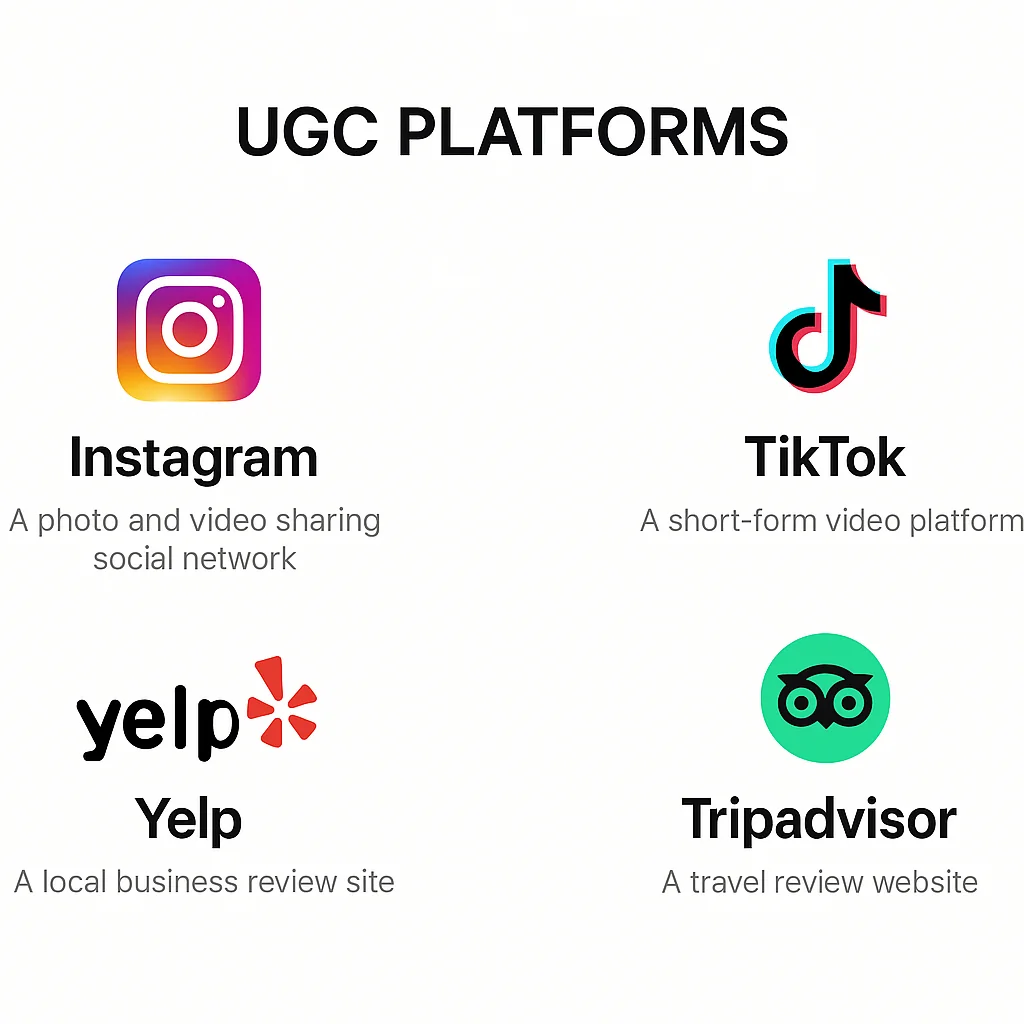
- Instagram: Known for its visual appeal, Instagram is perfect for sharing photos and short videos. Its Stories feature is excellent for engaging users with ephemeral content.
- Twitter: Ideal for real-time updates and conversations, Twitter is great for UGC campaigns that thrive on quick interactions and trending topics.
- Facebook: With its extensive user base, Facebook is versatile for various content types, including text, images, and videos.
- YouTube: The go-to platform for video content, YouTube allows for longer, more in-depth user-generated content that can reach a broader audience.
- TikTok: This platform is perfect for short, creative videos that can quickly go viral, making it a favorite among younger audiences.
Pros and Cons of Each Platform
Each platform has its strengths and weaknesses, and understanding these can help you choose the right one for your campaign:
- Instagram
- Pros: High engagement rates, visual-centric, and strong influencer presence.
- Cons: Algorithm changes can affect visibility, and it requires high-quality visuals.
- Twitter
- Pros: Real-time engagement, trending topics, and hashtags.
- Cons: Content lifespan is short, and it can be challenging to stand out.
- Facebook
- Pros: Large user base, diverse content types, and robust advertising options.
- Cons: Organic reach is declining, and it can be harder to target younger demographics.
- YouTube
- Pros: Long-form content, high potential for virality, and monetization options.
- Cons: High production value needed, and it requires consistent content creation.
- TikTok
- Pros: High virality potential, creative freedom, and strong engagement with younger audiences.
- Cons: Content is short-lived, and it can be challenging to maintain relevance.
Platform-Specific Tips
To maximize the impact of your UGC campaigns on these platforms, consider these tips:
- Instagram: Utilize IGTV and Stories to keep your audience engaged with varied content types.
- Twitter: Leverage trending hashtags and participate in real-time conversations to boost visibility.
- Facebook: Create Facebook Groups to foster community engagement and use Facebook Live for interactive content.
- YouTube: Optimize video titles, descriptions, and tags for better searchability and engagement.
- TikTok: Keep up with trending challenges and sounds to stay relevant and boost your content’s discoverability.
For a deeper dive into the specific features and user experiences of these platforms, you can check out our guide on social media image sizes.
Having explored the top platforms for UGC marketing, it’s time to delve into some real-world examples that highlight the effectiveness of well-executed campaigns. Below, we examine two case studies that demonstrate UGC campaign success and viral marketing, providing invaluable insights.

Case Study 1: Brand X’s Viral Campaign
Brand X launched a UGC campaign that encouraged customers to share their unique experiences using a specific hashtag. This initiative quickly gained traction on social media, resulting in thousands of posts and a significant increase in brand visibility.
- Strategy: The brand leveraged influencers to kickstart the campaign, ensuring a broad initial reach.
- Execution: By offering incentives and featuring user-generated content on their official pages, Brand X maintained high engagement levels.
- Outcome: The campaign went viral, leading to a 30% increase in sales and a substantial boost in social media followers.
Case Study 2: Brand Y’s Engagement Strategy
Brand Y focused on building a community around their product by encouraging users to share their stories and experiences. This strategy fostered a sense of belonging and loyalty among customers.
- Strategy: The campaign emphasized storytelling, with users submitting videos and photos that depicted their personal journeys with the product.
- Execution: Brand Y used these stories in their marketing materials, showcasing real customers and their authentic experiences.
- Outcome: The campaign saw a 25% increase in user engagement and a notable rise in customer retention rates.
Lessons Learned and Key Takeaways
Both of these campaigns highlight the power of user-generated content in creating authentic connections with audiences. The key takeaways include:
- Leverage Influencers: Partnering with influencers can help amplify your UGC campaign success.
- Encourage Authenticity: Genuine stories resonate more with audiences, driving higher engagement levels.
- Offer Incentives: Providing rewards can motivate users to participate and share their content.
For more high-quality case studies on UGC campaigns, check out this resource.
When showcasing successful campaigns, we can reference our guide on social media image sizes to ensure all visuals are optimized for each platform.
After exploring various successful UGC campaigns, it’s essential to understand how to effectively manage and coordinate with UGC creators to ensure your campaign’s success. Here are some tips to help you navigate this crucial aspect:

Finding and Hiring UGC Creators
Identifying the right UGC creators is the first step in your UGC Creators Viral Marketing Campaigns. Look for creators who align with your brand values and have a genuine connection with your target audience. Platforms like Instagram, TikTok, and YouTube are great places to start your search. Utilize hashtags, explore pages, and influencer databases to find potential creators.
Once you’ve shortlisted candidates, reach out to them with personalized messages explaining why you think they would be a great fit for your campaign. Be clear about your expectations and what they can gain from this partnership. For more insights on how to build strong relationships with creators, check out our guide on building strong partnerships.
Building Strong Relationships
Maintaining a healthy and productive relationship with your UGC creators is pivotal. Communicate openly and regularly to ensure both parties are on the same page. Share your campaign goals, provide feedback, and show appreciation for their efforts. Personal anecdotes and interactive elements can foster a deeper connection, making creators feel valued and motivated.
Regularly engage with their content, comment, and share their posts to show support. This not only boosts their morale but also strengthens your collaboration. Remember, a happy creator is more likely to produce high-quality content consistently.
Ensuring Consistent Content Quality
Consistency in content quality is crucial for the success of any UGC campaign. Set clear guidelines and provide examples of the type of content you expect. Be specific about the tone, style, and any brand elements that need to be included. Regularly review the content to ensure it meets your standards and provide constructive feedback when necessary.
Consider using tools to manage and organize content creation processes. For more detailed strategies on managing content creators, visit this comprehensive guide.
By finding the right creators, building strong relationships, and ensuring consistent content quality, you can effectively manage UGC creators and maximize the impact of your viral marketing campaigns.
After effectively managing and coordinating with UGC creators, it’s crucial to understand how to measure the success of your UGC campaigns. Here, we’ll delve into the key metrics to track, the tools available for measuring UGC success, and how to interpret results to make necessary improvements.
Key Metrics to Track
To gauge your UGC campaign success, you need to focus on several critical metrics:
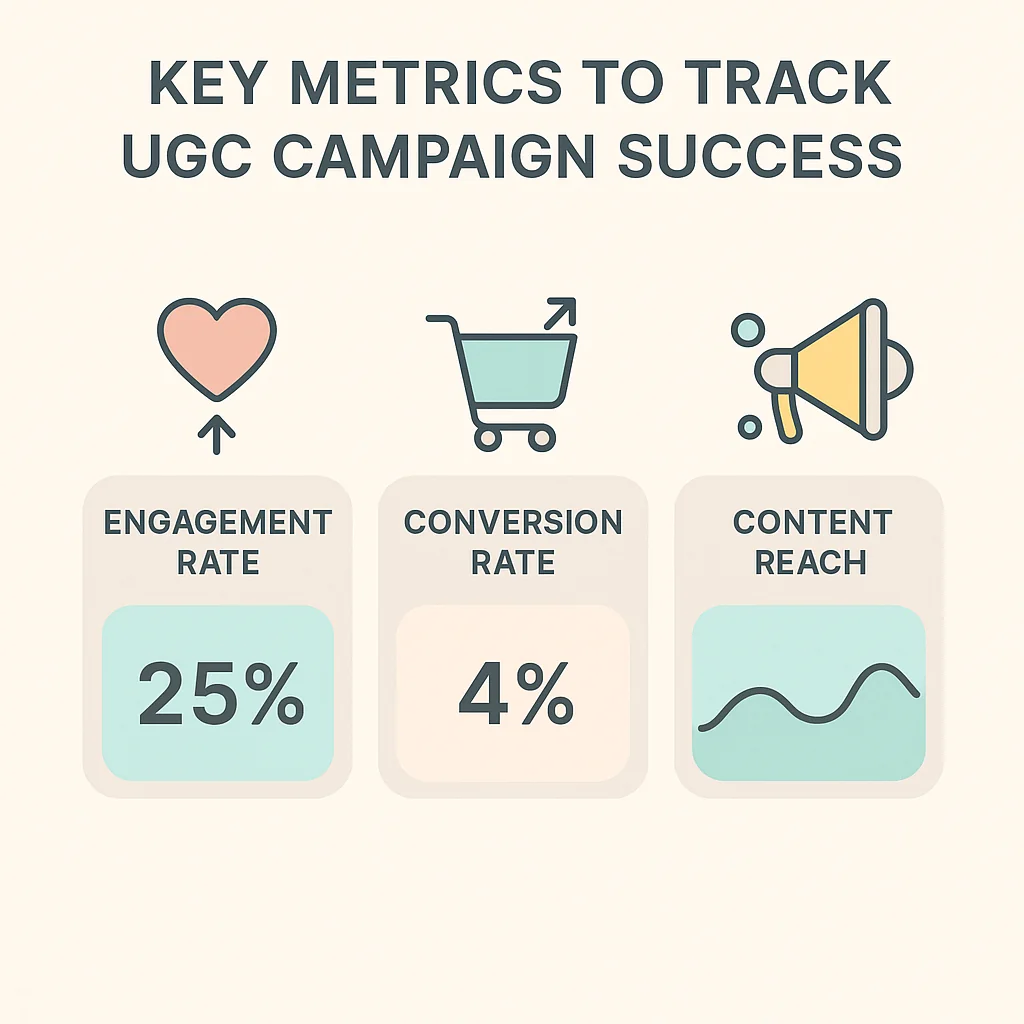
- Engagement: Track likes, comments, shares, and overall interaction with your UGC. High engagement indicates that your content resonates well with your audience.
- Reach: Measure the number of unique users who have seen your content. A broad reach can enhance your brand’s visibility and awareness.
- Conversion Rate: Look at how many users take a desired action, such as signing up for a newsletter or making a purchase, after interacting with your UGC.
- Sentiment Analysis: Analyze the tone of comments and feedback to understand how your audience feels about your content.
Leave a Reply