
Starting your journey as a User-Generated Content (UGC) creator can be an exciting and rewarding endeavor. To help you on this path, we’ve crafted a step-by-step guide that will take you from a beginner to a proficient UGC creator in just 30 days.
First, let’s dive into the basics. User-Generated Content is any form of content—such as text, videos, images, reviews, etc.—created by users of a platform, rather than the company or organization itself. This type of content is highly valuable as it often reflects authentic and genuine experiences, making it incredibly engaging for audiences.
Next, you’ll need to familiarize yourself with the essential tools and platforms that will facilitate your UGC creation. Platforms like Instagram, TikTok, and YouTube are pivotal for hosting and sharing your content. Additionally, tools for video editing, graphic design, and social media management will streamline your workflow and enhance the quality of your output.
Now, let’s outline the daily tasks for the next 30 days. Consistency is key to building your skillset and audience. Each day, you’ll engage in activities such as brainstorming content ideas, creating and editing content, and interacting with your audience. These tasks will not only improve your craft but also help you understand what resonates most with your viewers.
By following this structured approach, you’ll steadily grow your capabilities and audience, setting a strong foundation for a successful UGC creator career. Stay committed, be creative, and most importantly, enjoy the journey!
Now that we’ve laid out the roadmap on How to Become a UGC Creator in 30 Days, let’s dive deeper into understanding user-generated content (UGC) and why it holds such significance in today’s digital landscape.

Definition of UGC
User-generated content (UGC) refers to any form of content—such as videos, photos, reviews, and blog posts—created by users, rather than brands. This type of content is often shared on social media platforms and can significantly impact brand perception and engagement.
Benefits of UGC for Brands and Creators
For brands, UGC provides numerous benefits:
- Authenticity: Content created by real users tends to be more authentic and trustworthy, which can enhance brand credibility.
- Cost-Effective: UGC is often less expensive than professionally produced content, making it a cost-effective marketing strategy.
- Engagement: User-generated content typically drives higher engagement rates as it resonates more with audiences.
For creators, the advantages are equally compelling:
- Exposure: UGC allows creators to showcase their work to a broader audience, potentially attracting more followers.
- Influence: Successful UGC creators can become influential figures, opening doors to collaborations and sponsorships.
- Monetization: There are various ways to monetize UGC, including brand partnerships and ad revenue.
Examples of Successful UGC Campaigns
Numerous brands have effectively leveraged UGC to boost their marketing efforts. For instance, Coca-Cola’s “Share a Coke” campaign encouraged users to share photos of personalized Coke bottles on social media, resulting in a massive boost in brand engagement. Another example is Starbucks’ White Cup Contest, where customers were invited to decorate their white cups and share their designs online. This not only fostered creativity but also significantly increased Starbucks’ social media presence.
Understanding the importance of UGC is crucial for your journey. It not only enhances brand loyalty but also provides creators with numerous opportunities to grow and succeed. For more insights on the value of UGC, check out our article on why UGC creators are a social media goldmine. Furthermore, you can explore a high-quality study on the impact of UGC to understand its broader implications.
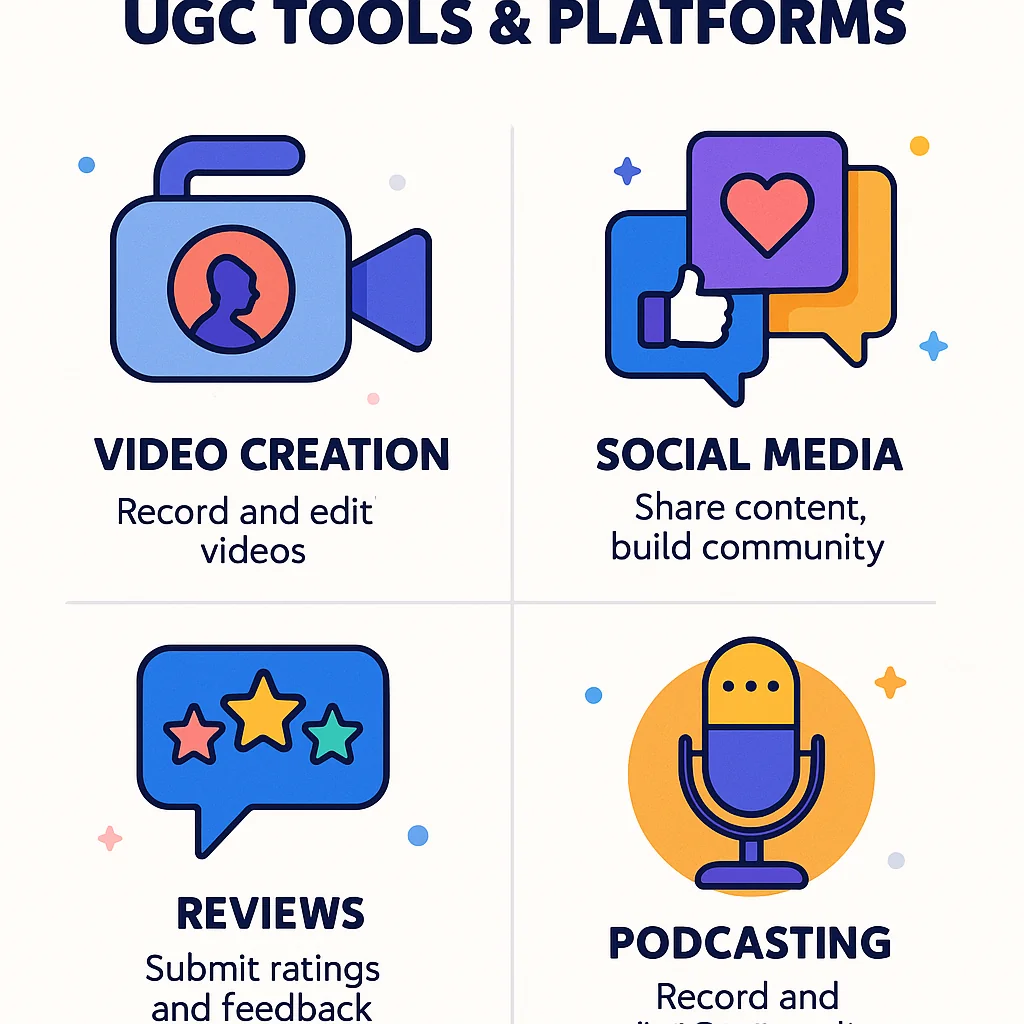
After understanding the importance of UGC, it’s crucial to equip yourself with the right tools and platforms to kickstart your journey. Here’s an overview of the top UGC tools and platforms to consider, along with tips on how to choose the best ones for your needs.
Overview of Top UGC Tools
There are numerous UGC tools available, each offering unique features to enhance your content creation process. Some of the most popular tools include:
- Canva: An intuitive design tool perfect for creating eye-catching visuals.
- Adobe Spark: Ideal for creating stunning videos and graphics with ease.
- Hootsuite: A social media management tool that helps you schedule and analyze your posts.
- Buffer: Another great option for managing multiple social media accounts efficiently.
Comparison of Different Platforms
Choosing the right platform to share your UGC is as important as the content itself. Here’s a comparison of some popular UGC platforms:
- Instagram: Best for visual content like photos and short videos. Its extensive reach and engagement rates make it a top choice.
- YouTube: Perfect for longer video content with a wide audience base. It’s ideal if you aim to create in-depth tutorials or vlogs.
- Twitter: Great for quick updates and engaging with trending topics. It’s especially useful for real-time interactions and brief content.
- TikTok: The go-to platform for short, creative videos. Its algorithm helps content go viral quickly, making it a favorite among younger audiences.
Explore our guide on the top social media platforms for 2025 to find the best places for your UGC.
How to Choose the Right Tools for Your Needs
Selecting the right UGC tools and platforms depends on your specific goals and audience. Here are a few tips:
- Identify Your Content Type: Determine whether you’ll be focusing on videos, images, or written content. This will help you choose tools tailored to your format.
- Know Your Audience: Research where your target audience spends most of their time online. This will guide you in selecting the right platforms to maximize reach and engagement.
- Consider Your Budget: Some tools offer free versions with basic features, while others require a subscription. Choose tools that provide the best value for your investment.
For more detailed expert reviews of UGC tools, visit this resource.
By equipping yourself with the right UGC tools and platforms, you’ll be well on your way to creating compelling content that resonates with your audience. Next, we’ll dive into building your audience from scratch.
With the right tools and platforms at your disposal, it’s time to focus on building your audience from scratch. Growing a dedicated following is essential for any aspiring UGC creator. Here are some actionable tips to help you grow your UGC audience effectively.

Tips for Engaging Content
Creating engaging content is the cornerstone of audience growth. Start by identifying your target audience’s interests and pain points. Craft content that addresses these aspects while staying true to your unique voice. Remember, authenticity resonates well with audiences.
- Storytelling: Share personal anecdotes or behind-the-scenes moments to create a connection with your audience.
- Interactive elements: Use quizzes, polls, or Q&A sessions to encourage audience participation and boost engagement.
- Visual appeal: Ensure your content is visually optimized by following our guide on social media image sizes.
Leveraging Social Media Algorithms
Understanding and leveraging social media algorithms can significantly enhance your social media growth. Platforms like Instagram, TikTok, and YouTube prioritize content that garners high engagement rates.
- Post consistently: Regularly sharing content keeps your audience engaged and signals to algorithms that your account is active.
- Use hashtags: Relevant hashtags can increase the discoverability of your posts.
- Engage with your audience: Respond to comments and messages promptly to foster a sense of community.
Collaborations and Partnerships
Collaborating with other creators and brands can expand your reach and attract new followers. Look for opportunities to partner with others in your niche for mutual benefits.
- Cross-promotions: Partner with fellow creators to share each other’s content with your respective audiences.
- Guest appearances: Participate in live sessions or guest blog posts to introduce yourself to new audiences.
- Sponsored content: Work with brands to create sponsored posts that align with your content and offer value to your followers.
For more insights, check out these successful case studies of audience growth to see how others have successfully built their audiences from the ground up.
Building an audience takes time and effort, but with these strategies, you’ll be well on your way to expanding your reach and solidifying your presence as a UGC creator.
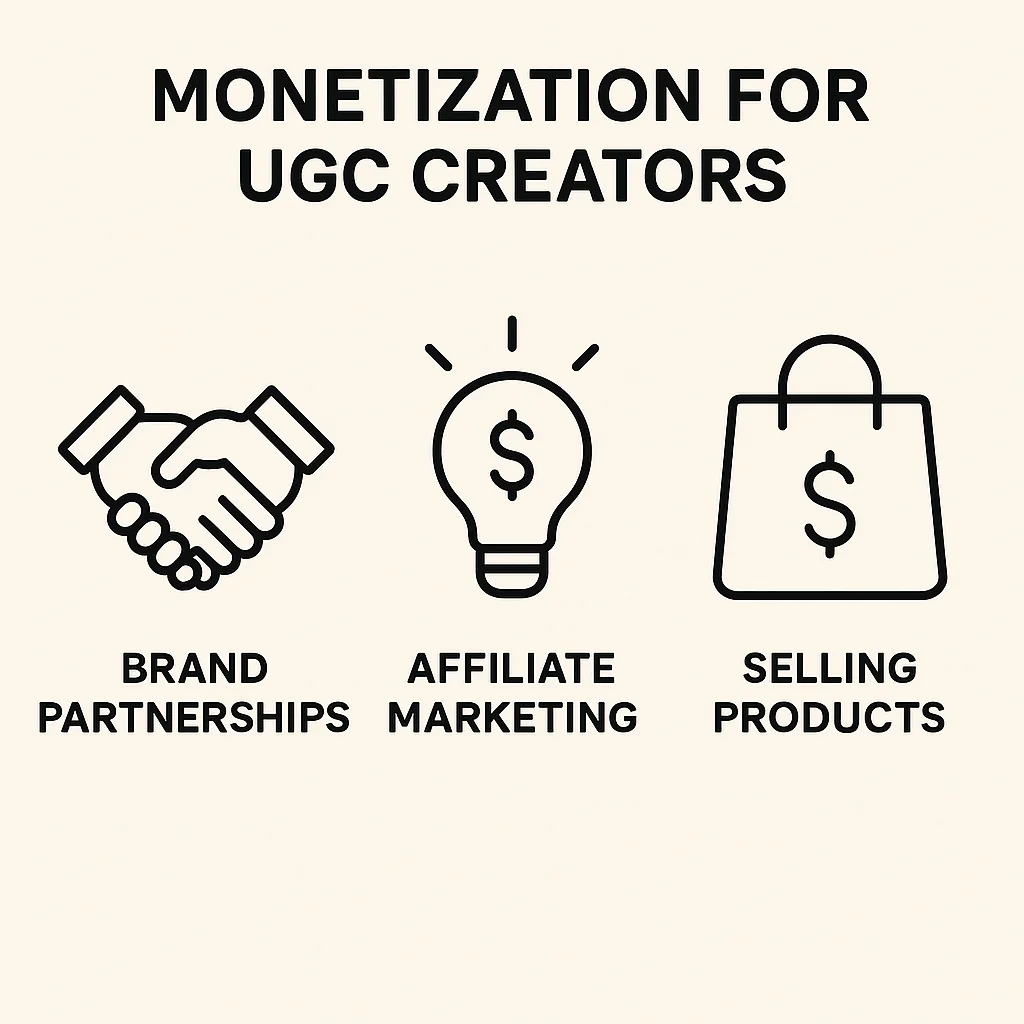
Now that you’ve started to build your audience from scratch, it’s time to explore the various ways you can monetize UGC effectively. There are several monetization methods available, each with its own set of advantages. Let’s dive into the different approaches and share some valuable content creation tips to help you maximize your earnings.
Different Monetization Methods
- Sponsored Content: Partnering with brands to create content that promotes their products or services. This is a popular method where you can negotiate a fee based on your audience size and engagement rates.
- Affiliate Marketing: Promoting products or services and earning a commission for every sale made through your affiliate link. This method works well if you have a niche audience.
- Ad Revenue: Platforms like YouTube and Instagram offer opportunities to earn revenue through ads displayed on your content. The more views and engagement your content receives, the higher your earnings.
- Merchandise Sales: Creating and selling branded merchandise to your followers can be a lucrative way to monetize your UGC.
- Subscription Services: Offering exclusive content through subscription models on platforms like Patreon. This method works best if you have a loyal and engaged audience.
Tips for Negotiating with Brands
Negotiating with brands can be intimidating, but with the right approach, you can secure profitable deals:
- Know Your Worth: Understand the value you bring to the table. Use metrics like engagement rates and audience demographics to justify your pricing.
- Be Professional: Approach negotiations with a professional attitude. Respond promptly to emails and be clear about your terms and expectations.
- Create a Media Kit: A well-designed media kit can showcase your reach, engagement, and past collaborations, making it easier for brands to see your potential. For more on protecting your content, learn how to protect your content with watermarks by reading our article on social video watermarks.
Creating a Media Kit
A media kit is an essential tool for any content creator looking to monetize their UGC. Here’s what you should include:
- Introduction: A brief overview of who you are and what your content is about.
- Audience Insights: Detailed statistics about your audience, including demographics, engagement rates, and follower growth.
- Case Studies: Examples of successful collaborations with brands, showcasing the results you achieved.
- Contact Information: Make it easy for potential partners to get in touch with you.
By leveraging these strategies, you can start to see significant earnings from your efforts. For an industry perspective, check out the latest industry report on UGC monetization trends.
In the next section, we’ll outline the daily tasks you can follow over the next 30 days to keep you on track and ensure you’re consistently growing your UGC business.
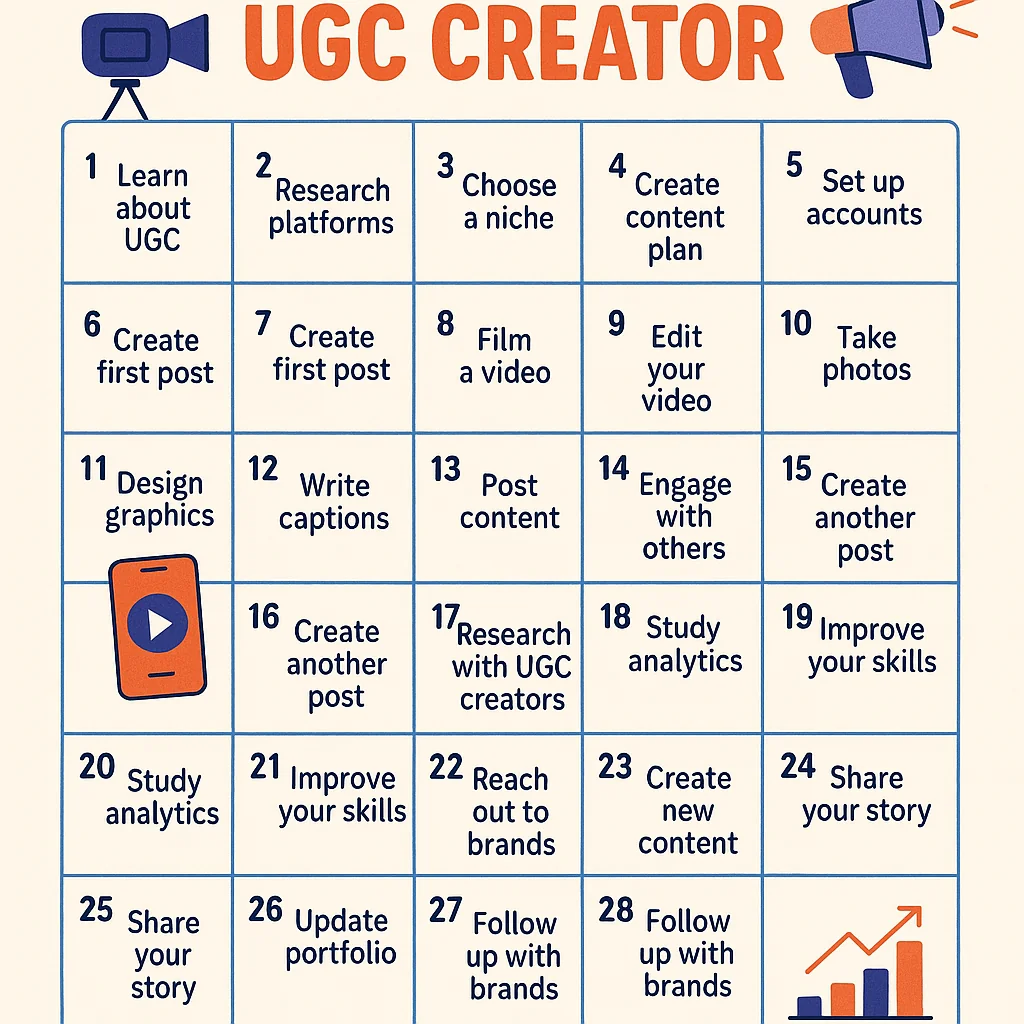
Now that you’ve explored various monetization strategies, it’s time to get into the nitty-gritty of your daily tasks. This step-by-step guide to UGC creation will help you stay on track and make consistent progress over the next 30 days.
Daily Content Creation Tasks
Creating content daily is crucial to becoming a successful UGC creator. Here’s a breakdown of what your daily tasks might look like:
- Day 1-7: Focus on researching popular trends and defining your niche. Begin by brainstorming content ideas and planning your first week’s posts.
- Day 8-14: Start creating and posting content consistently. Aim for at least one piece of content per day. Utilize tools like Canva or Adobe Spark for graphics and video editing software for video posts.
- Day 15-21: Experiment with different content formats and analyze which ones perform best. This will help you refine your strategy.
- Day 22-30: Continue posting daily and start incorporating feedback from your audience to improve your content.
Engagement Activities
Engagement is key to building a loyal audience. Spend time each day interacting with your followers:
- Respond to comments and messages promptly.
- Engage with other creators in your niche by liking, commenting, and sharing their content.
- Host live sessions or Q&A sessions to connect with your audience in real-time.
For inspiration on daily tasks, check out our beginner to pro makeup guide.
Leave a Reply