
Understanding the importance of post timing on Facebook is crucial for marketers looking to maximize their reach and engagement. The dynamics of social media platforms mean that when you post can be just as important as what you post. This guide aims to provide a comprehensive overview of the best times to post on Facebook, offering both general insights and industry-specific recommendations.
In the following sections, we will dive into general insights on the best times to post on Facebook. We’ll explore how timing can impact visibility and engagement, and provide data-driven suggestions to help you optimize your posting schedule. Additionally, we will break down optimal post times on a day-by-day basis, ensuring you have actionable takeaways for each day of the week.
Moreover, we recognize that different industries may see varying results based on their audience habits. Therefore, this guide will also cover industry-specific recommendations to help tailor your strategy according to your niche. By leveraging these insights, you can enhance your social media marketing efforts and achieve better results on Facebook.
Building on our ultimate guide for marketers, it’s crucial to understand why timing plays a pivotal role in Facebook marketing. Let’s delve into the dynamics of Facebook post timing and its impact on your social media strategy.
The Role of Facebook’s Algorithm
Facebook’s algorithm is designed to prioritize content that is most likely to engage users. When you post on Facebook, the algorithm evaluates your content based on various factors, such as the number of interactions it receives shortly after posting. Therefore, posting at the best time to post on Facebook is essential to maximize visibility. If your followers are online and active, your posts are more likely to receive immediate engagement, signaling to the algorithm that your content is valuable and should be shown to more people.
Impact on Engagement and Reach
The timing of your posts significantly affects Facebook engagement. Posting when your audience is most active can lead to higher likes, comments, and shares. This increased engagement not only boosts the visibility of your current post but can also enhance the reach of future posts. Consistent high engagement tells Facebook’s algorithm that your content is worth promoting, thereby expanding your overall reach.
For instance, when discussing core concepts, we can reference our guide to related topics, which illustrates the importance of understanding platform-specific algorithms. Additionally, a high-quality study on Facebook’s algorithm provides deeper insights into how these mechanisms work, further highlighting the critical nature of timing in your posting strategy.
Building on our understanding of Facebook post timing, it’s crucial to dive deeper into why timing matters on this platform. By grasping the nuances of audience behavior and identifying peak activity times, you can significantly enhance the effectiveness of your social media marketing efforts.
Understanding Audience Behavior
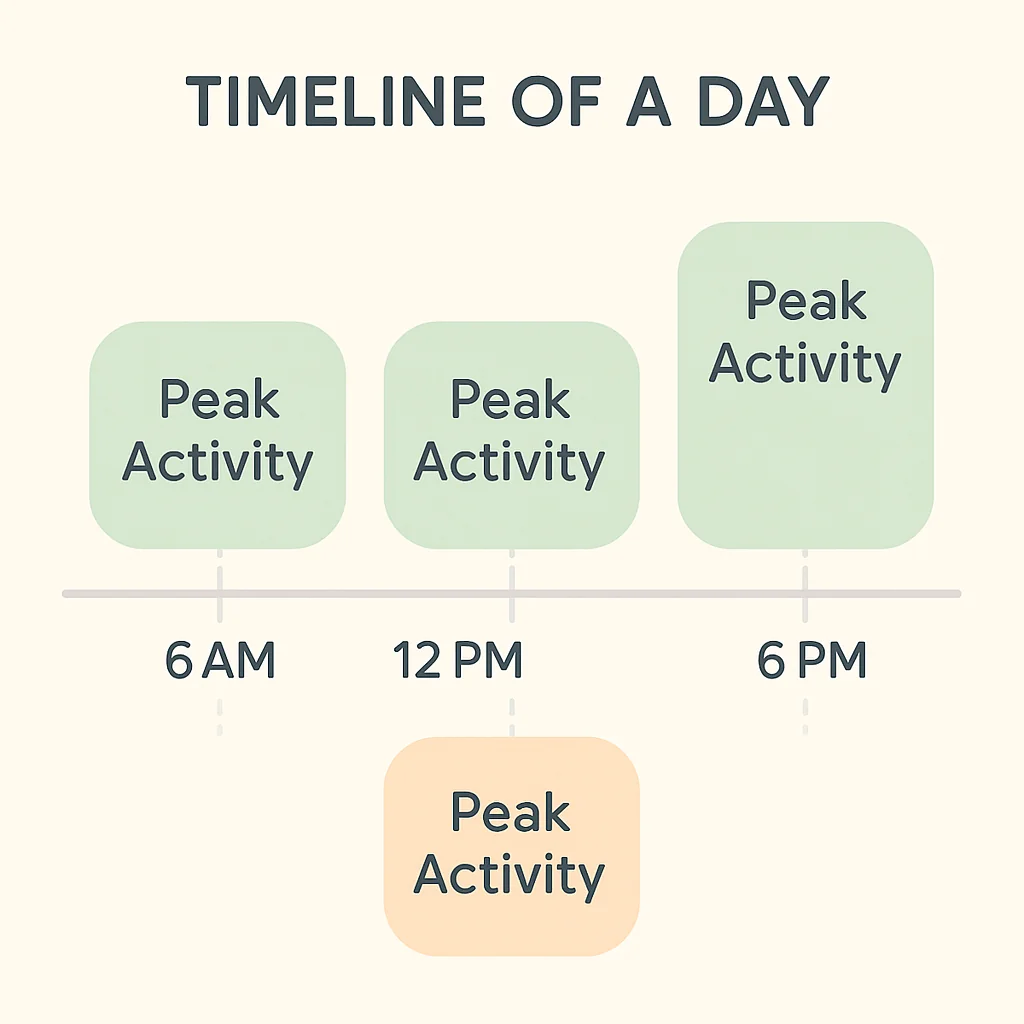
Your audience’s behavior is a pivotal factor in determining the best time to post on Facebook. Users have distinct patterns of activity, influenced by factors such as daily routines, work schedules, and time zones. For instance, many users check their feeds during breaks or commutes, providing key windows for increased engagement.
Analyzing your audience’s behavior helps you tailor your content delivery to their activity peaks. This data-driven approach ensures that your posts are seen when your audience is most active, boosting visibility and interaction.
Peak Activity Times on Facebook
Facebook’s vast user base means that activity peaks can vary widely. However, studies have identified general trends in user behavior. For example, research on user behavior patterns on Facebook indicates that weekdays, particularly Wednesday and Thursday, see higher engagement rates. Specific times, such as mid-morning and early evening, also tend to be optimal for posting.
By posting during these peak times, you can capitalize on the natural ebb and flow of user activity. This strategy not only increases the likelihood of your content being seen but also enhances the chances of receiving likes, comments, and shares. Consistently leveraging these optimal times can lead to more meaningful interactions and a broader reach for your posts.
For strategies to grow your social media following, check out our Pinterest guide. Understanding the best time to post on Facebook is an essential piece of the puzzle in your overall social media marketing strategy. By aligning your posting schedule with your audience’s behavior and the platform’s peak times, you can maximize your content’s impact and engagement.
Following the discussion on why timing is crucial for Facebook engagement, let’s delve into specific insights on the best times to post on Facebook. Understanding these optimal times can significantly enhance your Facebook marketing strategies.
Optimal Posting Times Based on Studies
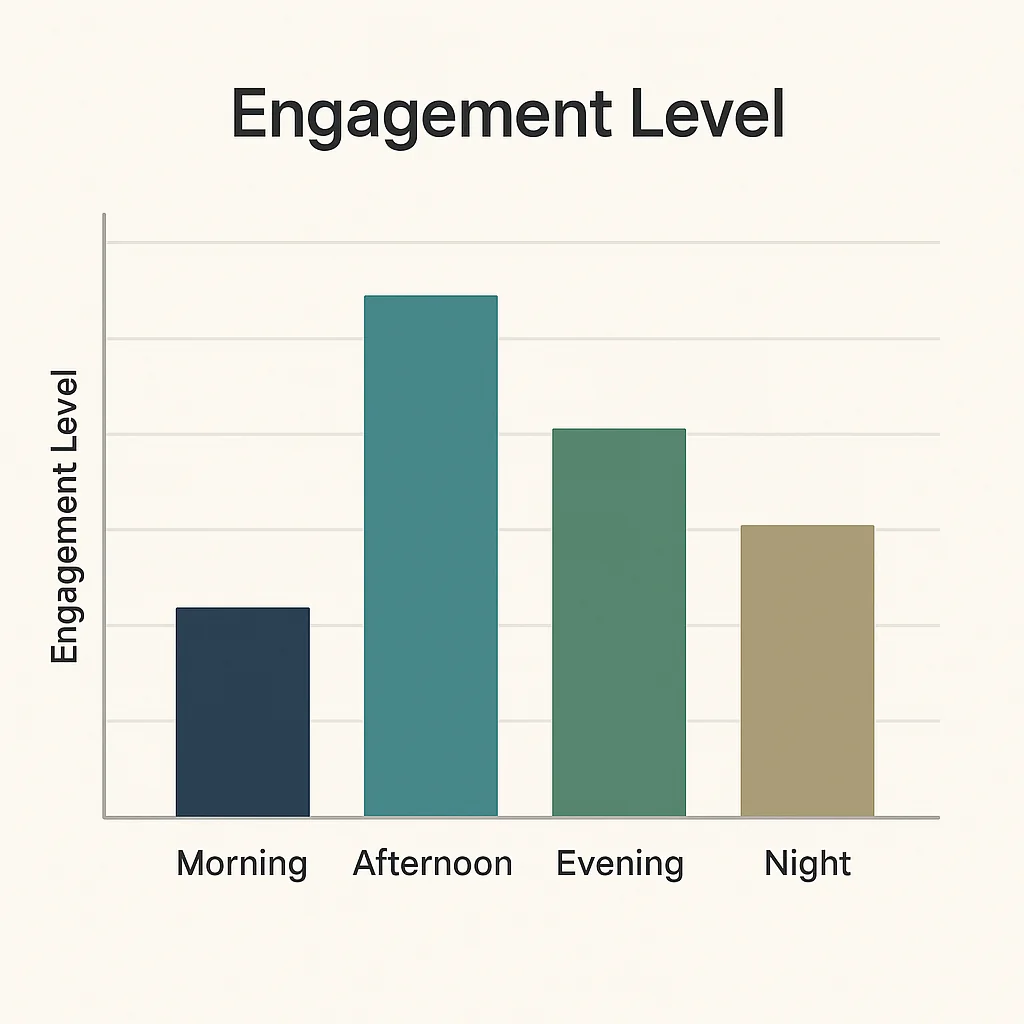
Various studies have aimed to pinpoint the best time to post on Facebook. According to a high-quality study on optimal social media posting times, the general consensus is that the best engagement rates occur mid-week, particularly on Wednesdays. More specifically, posts made between 11 AM and 1 PM tend to perform the best. This time frame aligns with users taking lunch breaks and having a moment to check their feeds.
Another noteworthy observation from these studies is that weekends, especially Saturday mornings, also show promising engagement rates. Users tend to have more free time on weekends to browse social media, making it a prime opportunity for your posts to gain visibility.
General Trends Observed
Beyond specific times, general trends indicate that the timing of your posts should align with your audience’s daily routine. For instance, early mornings and late evenings are typically less effective since users are either preparing for the day or winding down. On the contrary, mid-morning and mid-afternoon periods tend to generate higher engagement as users check their accounts during breaks.
It’s also important to consider the time zone of your target audience. If your followers are spread across different regions, you might need to adjust your posting schedule or post multiple times to ensure maximum reach.
These insights provide a solid foundation for optimizing your posting schedule. However, it’s crucial to remember that these are general guidelines. For tailored advice, you might explore our TikTok sound guide, which offers tips on trending content that can be adapted for Facebook.
By strategically timing your posts, you can significantly enhance your Facebook marketing strategies, ensuring your content reaches and resonates with your audience effectively.
Building on the general insights into the best times to post on Facebook, it’s crucial to dive deeper into a day-by-day analysis to fine-tune your strategy. Understanding the nuances of each day can significantly enhance your social media post timing, leading to higher engagement and visibility.
Best Times for Each Day
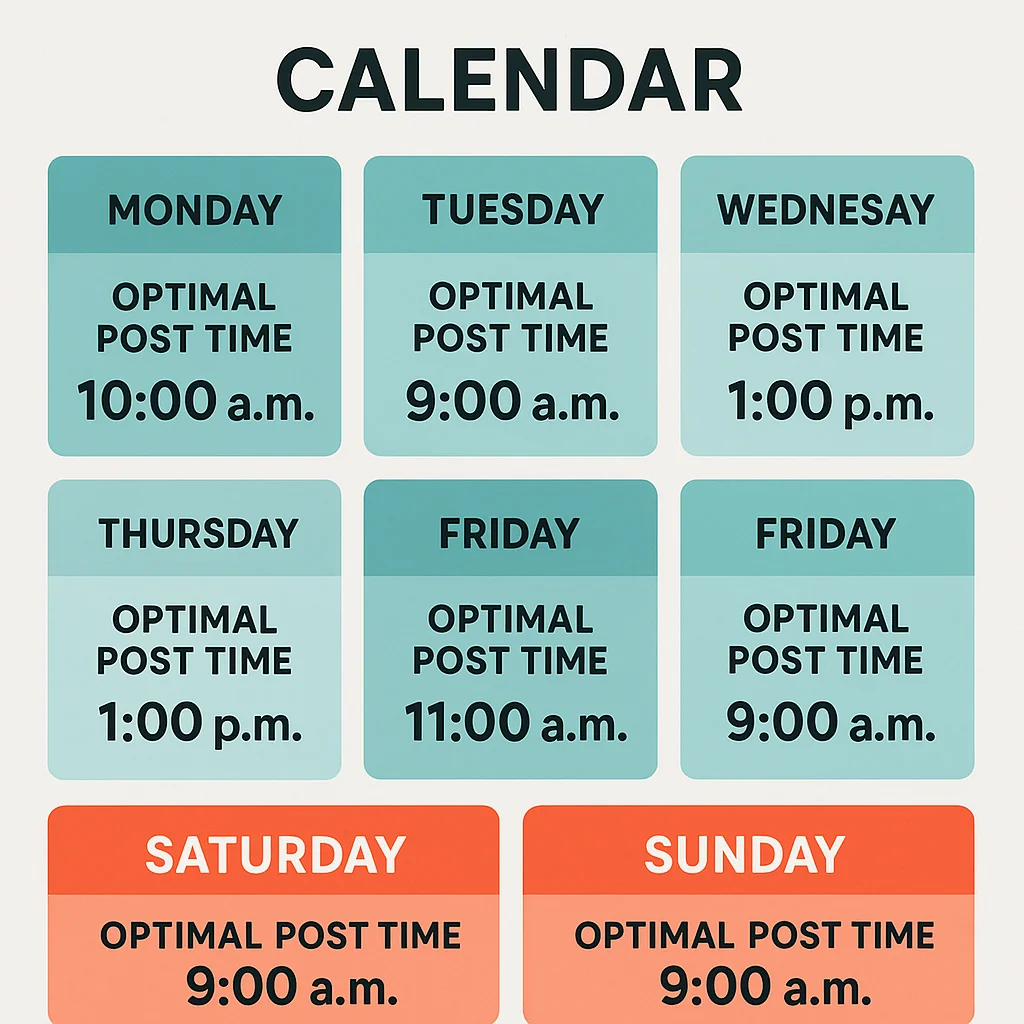
Each day of the week presents unique opportunities for reaching your audience. Here’s a breakdown of the optimal times to post on Facebook from Monday to Sunday:
- Monday: Start the week strong by posting between 9 AM and 11 AM. People are catching up on their feeds right after the weekend.
- Tuesday: Engagement tends to peak around 10 AM to 12 PM as users settle into their weekly routines.
- Wednesday: Midweek posts perform best between 11 AM and 1 PM, a great time for capturing lunchtime readers.
- Thursday: Similar to Wednesday, the window from 12 PM to 2 PM sees high interaction, as people look for a midweek break.
- Friday: Posting between 1 PM and 3 PM can capitalize on the pre-weekend excitement and increased social media activity.
- Saturday: Engagement is usually highest in the morning, from 10 AM to 12 PM, as users enjoy their weekend leisure time.
- Sunday: For the best results, aim for the late morning to early afternoon, around 11 AM to 1 PM, when users are relaxing before the new week starts.
Differences Between Weekdays and Weekends
Understanding the differences between weekdays and weekends is essential for optimizing your social media post timing. During weekdays, workday mornings and lunch breaks are prime times for posting, as users check their feeds between tasks. Conversely, weekends see more engagement in the late morning as people have more free time.
For instance, weekdays from 9 AM to 3 PM generally see consistent engagement, whereas weekends show peak activity in the morning hours. Tailoring your strategy to these patterns can enhance your reach and engagement significantly.
For a more comprehensive analysis of daily engagement patterns, you can refer to this detailed study. Additionally, if you’re looking for trending content strategies, see our Instagram audio guide.
By leveraging these day-by-day insights, you can create a robust posting strategy that maximizes your Facebook engagement throughout the week. Next, we will explore industry-specific recommendations to further refine your approach.
Following the day-by-day breakdown of optimal post times, it’s important to recognize that different industries have unique patterns when it comes to audience engagement on Facebook. Understanding these nuances can significantly enhance your social media strategy.
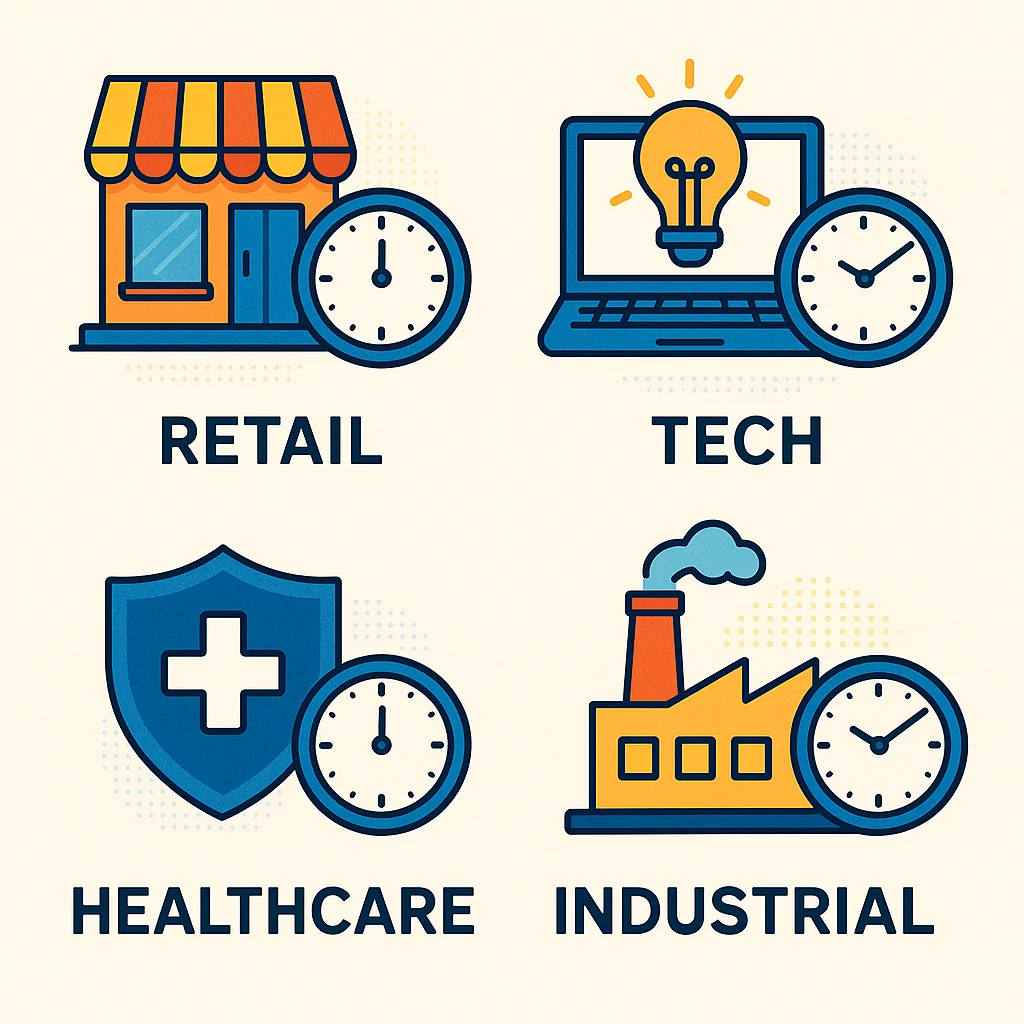
Segmented Analysis for Various Sectors
Each industry has its own set of optimal posting times based on the behavior and preferences of its audience. Here’s a closer look at some key sectors:
- Retail: For the retail industry, the best time to post on Facebook is typically on weekends, when users are more likely to be shopping online. Posts made on Saturdays between 12 PM and 3 PM tend to see higher engagement.
- Healthcare: Healthcare professionals should aim to post during weekdays, particularly in the early afternoon. Optimal times include Tuesdays and Thursdays around 1 PM to 3 PM, coinciding with post-lunch breaks when audiences are more likely to browse social media.
- Technology: In the tech industry, the best times to post are during weekday mornings, from 9 AM to 11 AM. This timeframe aligns with the start of the business day, when tech enthusiasts are catching up on the latest news and updates.
- Education: Educational institutions and edtech companies find the most success posting on weekdays, especially between 10 AM and 1 PM. Engagement peaks during lunch breaks and early afternoon when students and educators have free time.
- Hospitality: For the hospitality sector, Fridays and weekends prove to be the most effective. Posting between 11 AM and 1 PM on these days can attract more engagement as people plan their leisure activities.
How Industry Affects Optimal Times
The industry you operate in significantly influences the best time to post on Facebook. This is due to varying user habits and the nature of the content being consumed. For example, a B2B tech company may find that their audience is most active during weekday mornings, while a B2C retail brand sees higher engagement during weekends. Tailoring your posting schedule based on industry-specific trends can lead to more effective and targeted Facebook engagement.
For industry-specific insights, explore our TikTok creator search guide. Additionally, this study on industry-specific social media trends provides valuable data-driven insights into how different sectors perform on social media platforms.
By understanding and leveraging these industry-specific recommendations, you can optimize your social media strategy and maximize your Facebook engagement. For more Facebook engagement tips, continue reading as we delve into tools and tips for finding your best post times.
Following our deep dive into industry-specific recommendations, it’s essential to equip yourself with reliable tools and strategies to pinpoint the best time to post on Facebook. Leveraging the right resources can significantly enhance your Facebook marketing strategies, ensuring your content reaches the peak audience engagement moments.
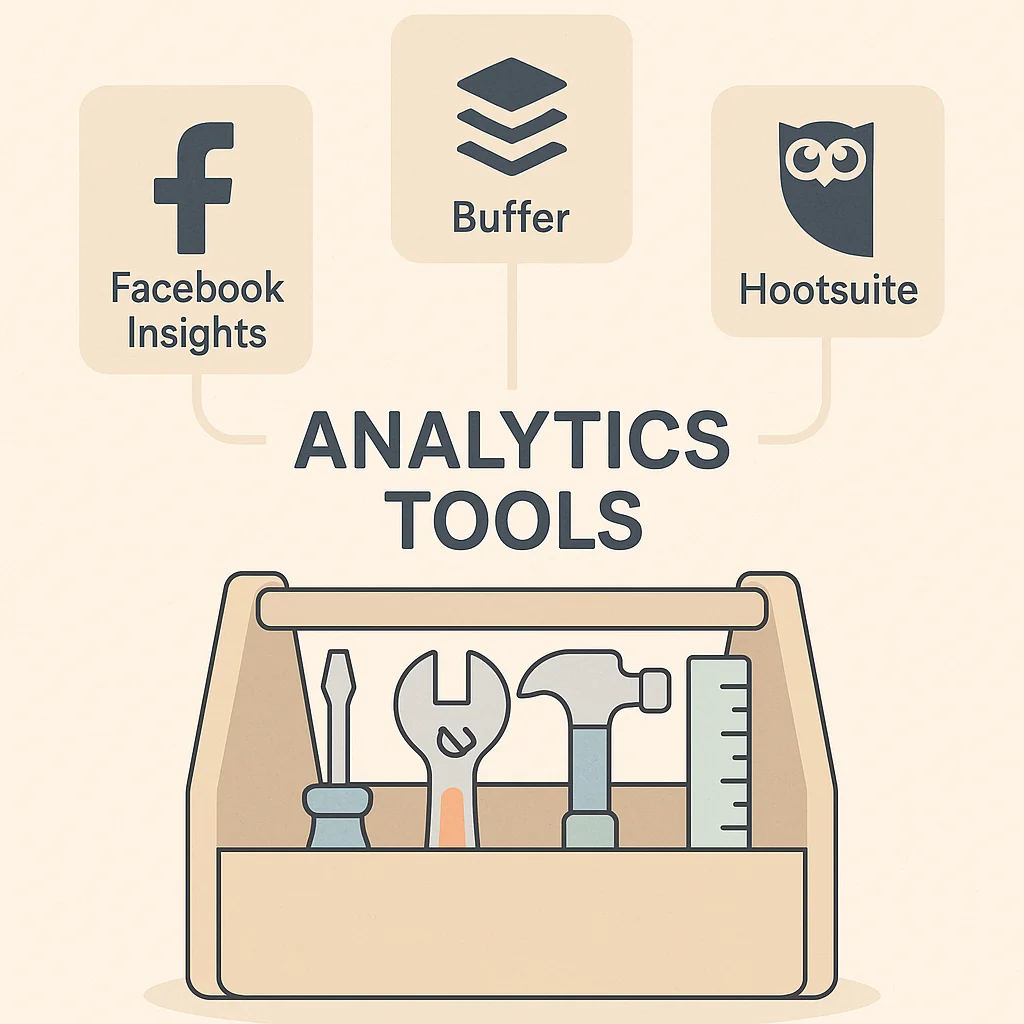
Recommended Tools
To determine the best time to post on Facebook, several tools can offer invaluable insights:
- Hootsuite: This comprehensive tool not only helps schedule posts but also provides detailed analytics to understand when your audience is most active. Learn more about Hootsuite here.
- Sprout Social: Known for its robust reporting features, Sprout Social can help you track engagement metrics and identify optimal posting times.
- Buffer: Buffer’s analytics can guide you in finding the best times to post by showing when your audience is most engaged with your content.
Tips for Analyzing Your Data
Once you have these tools at your disposal, the next step is to analyze the data they provide effectively:
- Monitor Engagement Metrics: Regularly check metrics like likes, comments, and shares to see which times yield the highest engagement.
- Compare Different Timeframes: Experiment with posting at various times and compare performance across these periods to identify patterns.
- Utilize Facebook Insights: Facebook’s built-in analytics tool is a goldmine for understanding your audience’s online behavior. Focus on the ‘Posts’ section to see when your fans are online.
- Consider Time Zones: If your audience is spread across different regions, make sure to account for their respective time zones when scheduling posts.
For more tips on growing your audience, check out our Pinterest follower guide.
By leveraging these tools and tips, you’ll be well on your way to mastering Facebook marketing strategies and ensuring your content gets the visibility it deserves. Stay tuned as we explore real-world examples and case studies in the next section.
Following our discussion on tools and tips for finding your best post times, let’s delve into some real-world examples that illustrate the impact of posting at optimal times. Examining case studies from various industries can provide a wealth of insights and actionable lessons.
Leave a Reply