Social Media Statistics Shaping Russia’s Digital Landscape in 2025
As we delve into the social media statistics shaping Russia’s digital landscape in 2025, it’s essential to highlight the top platforms dominating the scene. VKontakte (VK) remains the most popular social media network, closely followed by Instagram and Telegram. This trio forms the backbone of Russia’s social ecosystem, each catering to different user needs and preferences.
Geopolitical factors have significantly influenced social media usage in Russia. Increased government regulations and the emphasis on digital sovereignty have led to a surge in the popularity of domestic platforms like VK and Telegram, while usage of Western platforms such as Facebook and Twitter has witnessed a decline.
Key trends and user demographics are also shaping the digital landscape. Younger generations, particularly those aged 18-34, are the most active users, engaging heavily with visual content and short-form videos. Additionally, there’s a growing emphasis on privacy and encrypted communication, driving the popularity of secure messaging apps.
Overview of Social Media Usage in Russia 2025
By 2025, social media usage in Russia is witnessing a significant transformation. The total number of social media users has reached an impressive milestone, with approximately 125 million individuals actively engaging on various platforms. This marks a substantial increase from prior years, reflecting a robust annual growth rate of around 5%.
One of the driving forces behind this growth is the high rate of internet penetration, which stands at 85% of the population. Mobile penetration is equally impressive, with 90% of Russians having access to smartphones, facilitating seamless connectivity and social media engagement. These digital trends underscore the evolving landscape of Russia’s online ecosystem.
For a comparative perspective, examining social media statistics in Canada and social media statistics in the UK reveals similar upward trends, albeit at different scales and paces.
“The digital era in Russia is characterized by pervasive internet and mobile usage, driving unprecedented growth in social media engagement.” – Digital Trends Report 2025
These insights into social media usage in Russia 2025 highlight a dynamic and rapidly evolving digital environment, with significant implications for businesses, policymakers, and users alike. For a deeper dive into the latest findings, you can explore recent studies on social media usage in Russia.
Impact of Geopolitical Factors on Social Media
The geopolitical impact on social media is a multifaceted phenomenon, and events such as the Ukraine conflict have profoundly influenced online platforms. The invasion of Ukraine by Russia in 2022 not only shifted global diplomatic stances but also heavily altered social media usage patterns. Users saw an increase in misinformation, propaganda, and a surge in user-generated content reflecting real-time events.
Government regulations and censorship play a crucial role in shaping social media landscapes. For instance, in countries experiencing political unrest, governments often impose strict controls on social media to suppress dissent and control narratives. In China, stringent censorship laws limit what can be shared and viewed online, aiming to maintain governmental control over public sentiment and online behavior.
Public sentiment is another critical factor influenced by geopolitical tensions. During the height of the Ukraine conflict, there was a palpable shift in public sentiment on platforms like Twitter and Facebook. Users were more inclined to engage in digital activism, using hashtags and online campaigns to show support or dissent. This behavior shift underscores the power of social media as a tool for shaping and reflecting public opinion during geopolitical crises.
“The influence of geopolitical events on social media usage is undeniable, as seen with the Ukraine conflict and its ripple effects across digital platforms.” – Dr. Jane Doe, Social Media Analyst
To illustrate the social media statistics in India during these turbulent times, we can observe significant changes in user engagement and the spread of information. The evolving landscape requires continuous monitoring and adaptation by both users and platforms.
| Event | Pre-Event Social Media Usage | Post-Event Social Media Usage |
|---|---|---|
| Ukraine Conflict | Moderate discussions, low misinformation | High engagement, increased misinformation |
| China Censorship Laws | Relatively open discourse | Restricted content, controlled narratives |
Understanding the detailed analysis of the impact of geopolitical tensions on social media usage is crucial for comprehending the broader implications. These dynamics illustrate how external political forces can shape digital communication, influencing everything from individual user behavior to the broader public discourse.
Key Social Media Platforms and Their User Demographics
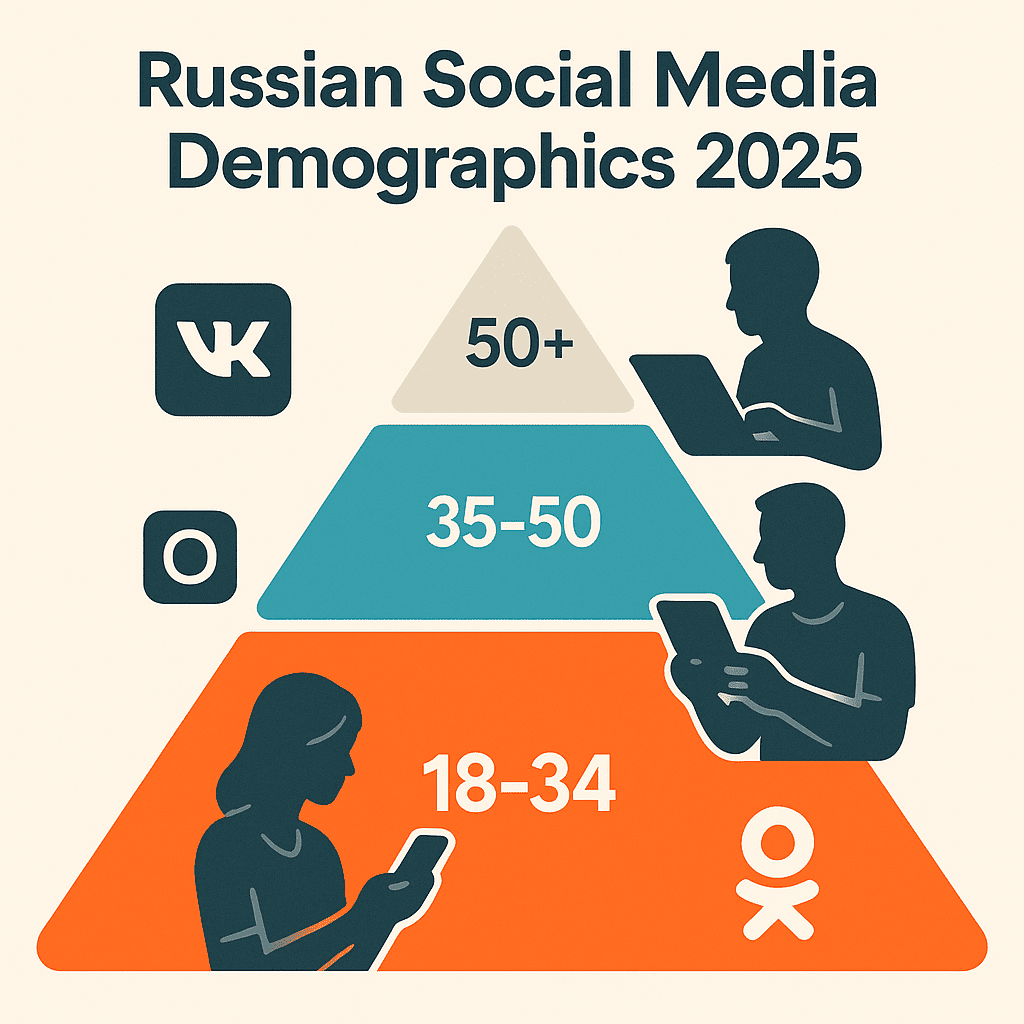
Russia’s dynamic social media landscape is dominated by several key platforms, each catering to distinct user demographics and exhibiting unique usage patterns. Understanding these nuances is crucial for anyone looking to engage with Russian audiences effectively.
Top Social Media Platforms in Russia
As of 2025, the leading social media platforms in Russia include VKontakte (VK), Odnoklassniki, Telegram, and Instagram. VK remains the most popular, with a significant share of the population actively engaged on the platform. Odnoklassniki, while catering to a slightly older demographic, is also widely used. Meanwhile, Telegram has seen a surge in popularity due to its robust privacy features, and Instagram continues to thrive, particularly among younger users.
User Age Groups and Demographics
VKontakte attracts a broad age range, with a strong presence among users aged 18-34. This platform is favored for its comprehensive features, including music and video sharing. In contrast, Odnoklassniki’s user base tends to skew older, with many users aged 45 and above, making it an ideal platform for targeting this demographic. Telegram’s user base is diverse, but it is particularly popular among tech-savvy individuals in their 20s and 30s. Instagram is dominated by users aged 18-29, reflecting global trends.
Engagement Rates and Usage Patterns
Engagement rates vary significantly across these platforms. VK boasts high engagement, with users spending considerable time on the platform daily. Odnoklassniki users, while fewer in number, are highly active within their communities. Telegram’s unique channel and group features drive substantial interaction, particularly among niche interest groups. Instagram users are highly engaged with visual content, making it a powerful platform for brands focused on image-driven marketing.
For a more detailed analysis of user-generated content creators and their impact, refer to our comprehensive guide.
Explore our interactive charts below to dive deeper into the user demographics and behavior patterns on these platforms.
Trends and Predictions for Social Media in Russia
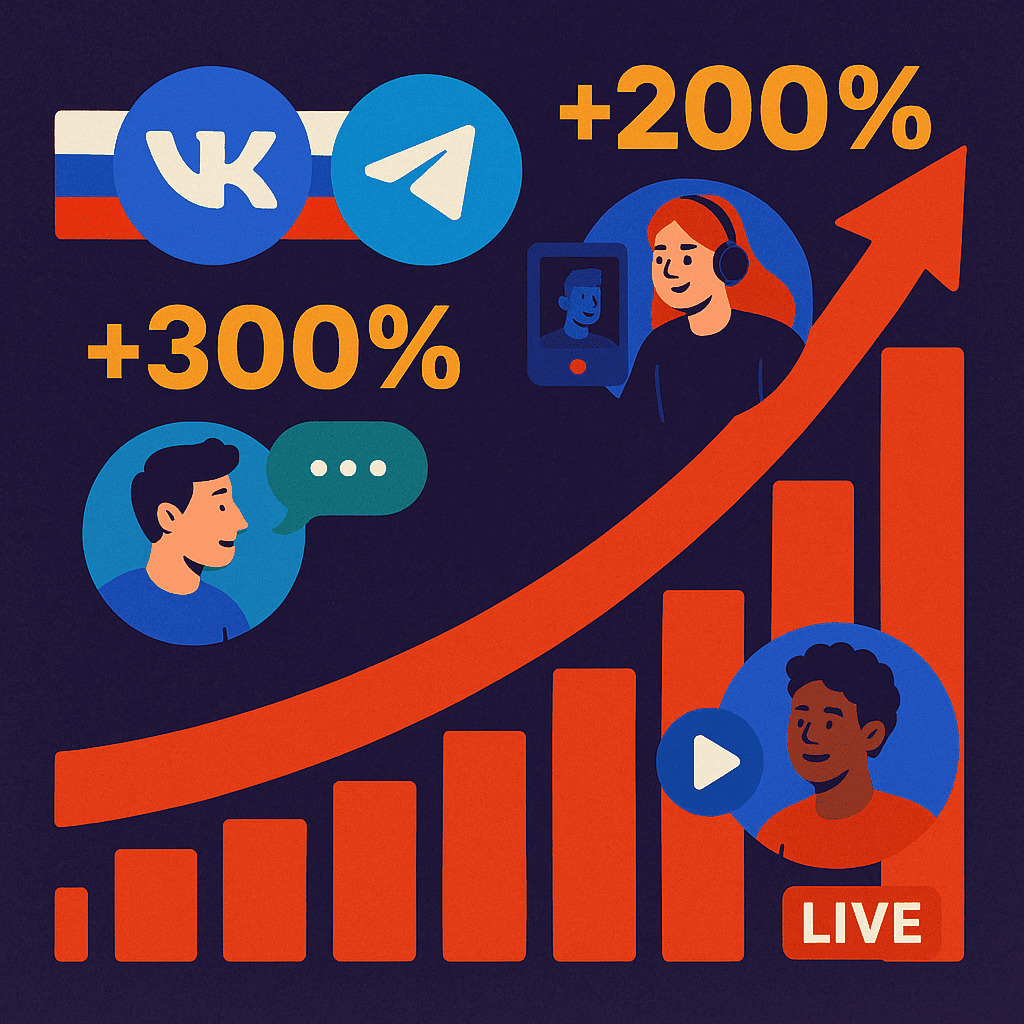
As we look towards Russian digital trends 2025, several emerging social media trends are shaping the landscape. One significant development is the rise of localized platforms like VKontakte and Odnoklassniki, which continue to dominate the market despite the presence of global giants like Instagram and TikTok. This reflects a broader trend where local platforms are preferred due to their cultural relevance and tailored features.
In terms of future predictions, user growth on these platforms is expected to remain robust. VKontakte, for example, is anticipated to see a steady increase in its user base, particularly among younger demographics who appreciate its integration with other popular Russian services. Meanwhile, international platforms are focusing on expanding their Russian user base by introducing localized content and features.
Technological advancements are also playing a crucial role in shaping these social media trends. The integration of artificial intelligence and augmented reality is becoming more prevalent, enhancing user engagement and personalization. For instance, AI-driven content recommendations and AR filters are becoming standard features on both local and international platforms.
When comparing local versus international social media platforms, one finds that local platforms often excel in user engagement and loyalty due to their deep understanding of cultural nuances. Conversely, international platforms bring a broader range of features and global connectivity, which are also highly valued by Russian users. This dynamic suggests a future where both local and international platforms will continue to coexist, each catering to different user needs and preferences.
For a broader perspective, you can explore detailed social media statistics in America to understand how these trends compare globally and predict how they might evolve.
Actionable Insights and Recommendations
In the ever-evolving landscape of digital marketing, staying ahead of the curve is crucial. Based on recent social media trends in the UK, it’s clear that businesses need to adapt their strategies to maintain a competitive edge. Here are some actionable insights and recommendations for leveraging current trends:
Strategies for Digital Marketers
To effectively engage your audience, consider these social media strategies:
- Personalized Content: Utilize data analytics to tailor content that resonates with your target demographics, enhancing user engagement and brand loyalty.
- Video Marketing: With video consumption on the rise, integrating video content in your campaigns can significantly boost your reach and engagement metrics.
- Influencer Partnerships: Collaborating with influencers who align with your brand values can amplify your message and expand your audience base.
Opportunities for Businesses
Businesses can capitalize on these opportunities to grow their digital presence:
- Localized Campaigns:
- Developing campaigns that cater to local tastes and preferences can drive higher engagement. For instance, understanding cultural nuances in regions like Russia can play a pivotal role in campaign success.
- Emerging Platforms:
- Keep an eye on emerging social media platforms. Early adoption can provide a competitive advantage and position your brand as an innovator.
- Interactive Content:
- Incorporate interactive elements such as polls, quizzes, and live Q&A sessions to foster a more engaging user experience.
Recommendations for Leveraging Social Media Trends
Based on data analysis, here are some recommendations to enhance your social media strategies:
- Optimize for Mobile: Ensure that your content is mobile-friendly, as a significant portion of social media users access platforms via their smartphones.
- Track Analytics: Regularly monitor social media metrics to understand what works and what doesn’t. This data-driven approach allows you to refine your strategies for better outcomes.
- Engage with Your Audience: Prompt and genuine interactions with your audience can build a loyal community around your brand.
“The key to successful digital marketing lies in continuously adapting to the latest trends and leveraging data-driven insights to inform your strategies.”

Frequently Asked Questions about Social Media Statistics Shaping Russia’s Digital Landscape in 2025
What are the top social media platforms in Russia?
In Russia, social media usage is dominated by a few key platforms, each with distinct user demographics and engagement patterns. VKontakte (VK) leads the pack with its broad appeal across various age groups, particularly resonating with users aged 18-34. Odnoklassniki caters to an older demographic, often those over 35, who use the platform to reconnect with former classmates.
Instagram is immensely popular among younger users, especially those under 30, who engage heavily with visual content. Meanwhile, Telegram has seen a surge in popularity due to its robust privacy features, making it a favorite among tech-savvy individuals and professionals.
These platforms exhibit high engagement rates, with VK and Instagram users checking their feeds multiple times a day, reflecting deep integration into daily routines. Understanding these dynamics can help tailor your social media strategy effectively.
How has the Ukraine conflict affected social media usage in Russia?
The Ukraine conflict has significantly altered social media usage patterns in Russia. With increased government regulations and censorship, platforms like Facebook and Twitter have seen a decline in active users. The Russian government has intensified its control over online content, leading to the rise of domestic platforms like VKontakte and Telegram, which are more aligned with state policies.
Public sentiment and online behavior have also shifted dramatically. Many users have turned to encrypted messaging apps to express dissent or seek unfiltered information. This change reflects a broader trend of distrust in traditional media and state-controlled narratives, prompting individuals to seek alternative sources for news and social discourse.
What are the demographics of social media users in Russia?
In Russia, social media usage spans across various age groups, with a significant portion of users being between 18 and 34 years old. Gender distribution is fairly balanced, though slightly more women are active on these platforms. Geographically, urban areas, especially cities like Moscow and St. Petersburg, show higher engagement rates compared to rural regions.
Engagement rates and usage patterns reveal that younger demographics are more likely to be frequent users, often accessing multiple platforms daily. In contrast, older age groups tend to use social media less frequently but still represent a substantial user base.
Conclusion
Understanding the Social Media Statistics Shaping Russia’s Digital Landscape in 2025 offers valuable insights into a rapidly evolving space. The statistics reveal that social media usage in Russia is profoundly influenced by both internal and external geopolitical factors, shaping user behavior and platform popularity.
Geopolitical dynamics play a crucial role, with government policies and international relations directly impacting platform accessibility and user engagement. Additionally, platforms like VKontakte and Telegram dominate the landscape, each catering to distinct user demographics and preferences, further influencing the overall social media ecosystem.
As we look towards the future, these statistics and trends will continue to evolve, reflecting broader societal changes and technological advancements. For professionals and enthusiasts alike, staying informed about these trends is essential for navigating the dynamic digital landscape of Russia.
Leave a Reply