Author: Yogesh

  • TikTok Algorithm Guide 2025: Master the Latest Changes

    TikTok Algorithm Guide 2025: Master the Latest Changes

    The TikTok algorithm in 2025 continues to be a dynamic and ever-evolving system, designed to keep users engaged by delivering personalized content tailored to their preferences. Understanding the latest changes is crucial for content creators and marketers looking to optimize their strategies and stay ahead of the competition.

    In 2025, TikTok’s algorithm places a significant emphasis on user interaction metrics such as likes, shares, comments, and watch time. Content that sparks engagement is more likely to be promoted on users’ For You Pages (FYP). Additionally, TikTok has refined its ability to detect trends and viral content, ensuring that the most relevant and popular videos gain visibility quickly.

    To optimize your content for this updated algorithm, focus on creating high-quality, engaging videos that encourage interaction. Use trending sounds and hashtags to increase discoverability, and make sure your content is unique and captivating. Consistency is key, so post regularly and analyze your performance to adjust your strategy accordingly.

    Looking ahead, future trends and predictions for the TikTok algorithm suggest an increased use of artificial intelligence and machine learning to better understand user behavior and preferences. This means that the algorithm will become even more adept at predicting what content users will enjoy, making it essential for creators to stay on top of new features and updates.

    By staying informed about these changes and continually refining your approach, you can master the TikTok algorithm and maximize your reach and impact on the platform.

    As we delve deeper into the TikTok Algorithm Guide 2025, it’s crucial to understand the basic principles of the TikTok algorithm and how it has evolved over the years. This foundational knowledge is essential for content creators aiming to maximize their reach and engagement on the platform.
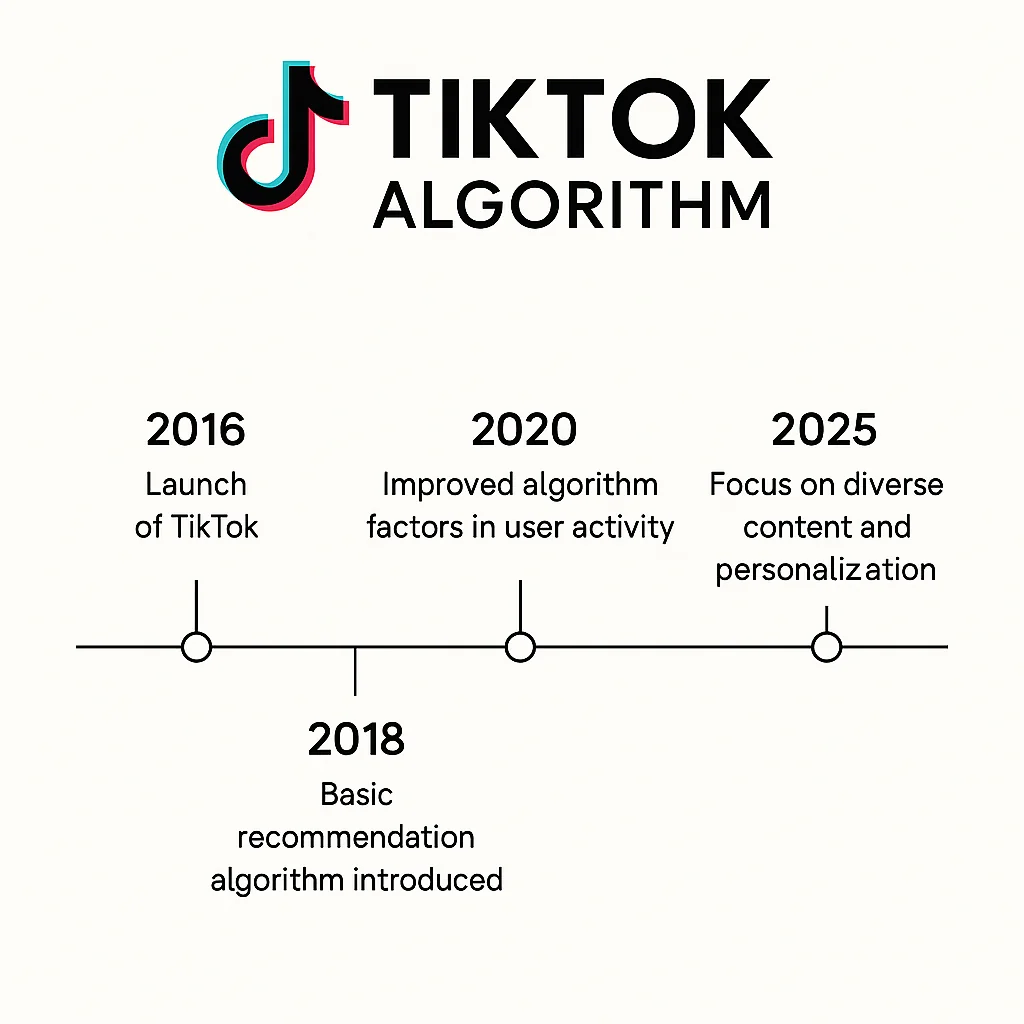
    Infographic showing the evolution of the TikTok algorithm from its inception to 2025 with key milestones.

    The TikTok algorithm is designed to personalize the user experience by delivering content that is most likely to resonate with each user. It achieves this through a complex system of data analysis, taking into account factors such as user interactions, video information, and device/account settings. By analyzing the way users engage with content—likes, shares, comments, and watch time—the algorithm continually refines its recommendations to keep users hooked on the app.

    Over the years, the TikTok algorithm has become increasingly sophisticated. Initially, the algorithm relied heavily on basic engagement metrics, but it has since evolved to incorporate more nuanced factors like user behavior patterns and content quality. This evolution reflects TikTok’s commitment to enhancing user satisfaction by prioritizing highly relevant and engaging content.

    Understanding the TikTok algorithm is paramount for content creators. By knowing how the algorithm works, creators can strategically craft their content to increase visibility and engagement. For instance, optimizing video descriptions with trending keywords, posting at peak times, and encouraging user interaction can significantly boost a video’s performance.

    Moreover, staying updated with the latest changes in the TikTok algorithm, as outlined in this TikTok Algorithm Guide 2025, allows creators to adapt their strategies promptly. For a broader understanding of social media trends in 2025, check out our global overview.

    For an in-depth analysis of user engagement metrics on TikTok, you can explore a high-quality study on this topic here. This resource provides valuable insights that can further inform your content strategy.

    Following our introduction to the TikTok Algorithm, let’s delve into the key factors that significantly influence how content is ranked and recommended. Understanding these elements is essential for mastering TikTok video optimization and ensuring your content reaches the right audience.
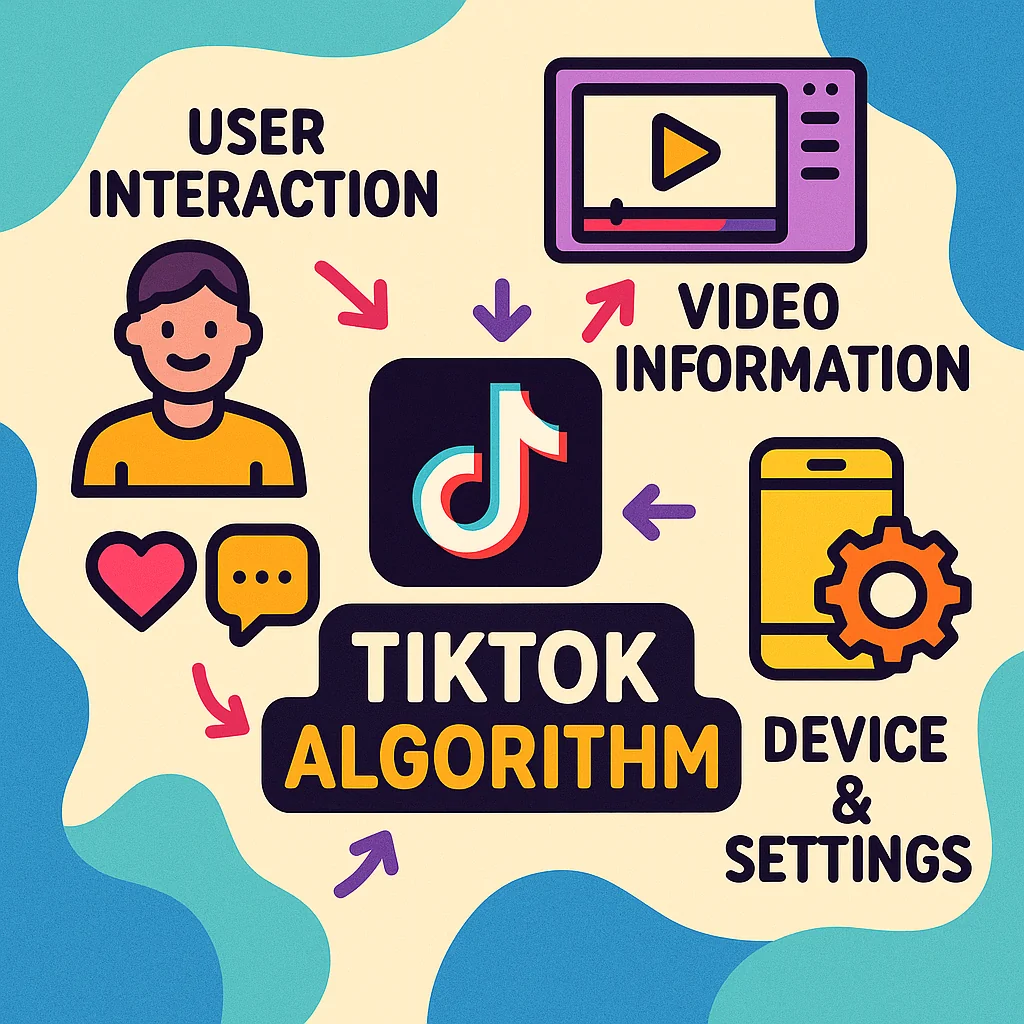
    Illustration showing key factors influencing the TikTok algorithm including user interaction signals, video information, and device settings.

    User Interaction Signals

    User interaction signals play a pivotal role in the TikTok Algorithm Guide 2025. These signals include likes, comments, shares, and watch time. The more engagement a video receives, the higher its chances of being pushed to a broader audience. TikTok values genuine interaction, so creating content that encourages active participation and conversation is crucial.

    Video Information

    Another critical factor is the information associated with your video. This includes captions, hashtags, and the sounds you choose. Captions should be clear and engaging, providing context and inviting viewers to interact. Hashtags help categorize your content, making it easier for users interested in specific topics to find your videos. Sounds, particularly trending ones, can significantly boost your video’s visibility and engagement.

    Device and Account Settings

    Lastly, the device and account settings of users also influence which videos are recommended. TikTok considers the user’s language preference, country setting, and device type to tailor content to individual preferences. This ensures that users receive content that is relevant to their interests and viewing habits.

    Understanding these factors is crucial for optimizing your TikTok strategy. For a deeper dive into engagement metrics, you can explore more here. Additionally, research on social media algorithms and user behavior can provide further insights, which you can find here.

    Armed with this knowledge, you are better equipped to create content that not only engages but also aligns with the TikTok Algorithm Guide 2025, ensuring your videos get the visibility they deserve.

    Understanding the key factors influencing the TikTok algorithm is crucial, but equally important is knowing how to optimize your content to maximize visibility and engagement. Here, we delve into actionable strategies to ensure your videos resonate with your audience and perform well in 2025.
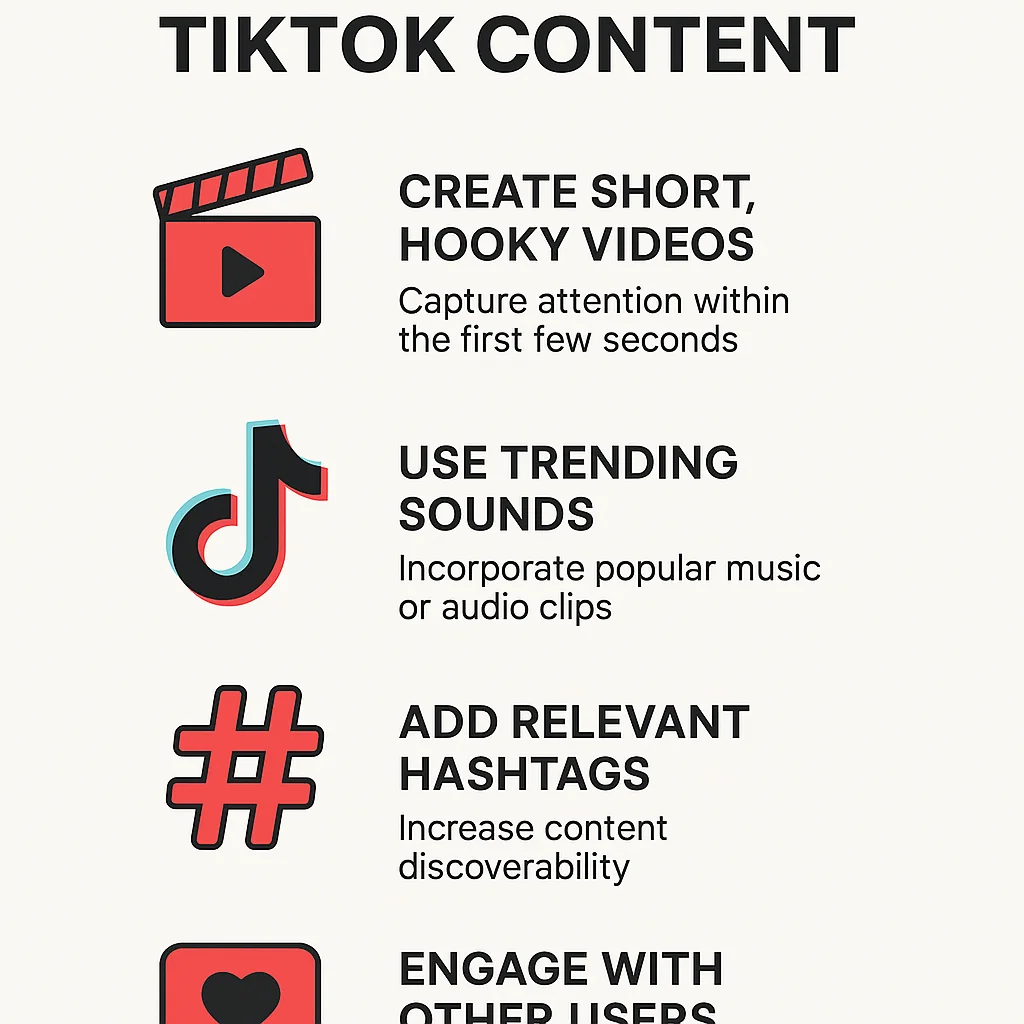
    Infographic detailing best practices for optimizing TikTok content, including video creation tips and engagement tactics.

    Best Practices for Video Creation

    Creating high-quality, engaging videos is the cornerstone of success on TikTok. Here are some best practices:

    • Keep it short and sweet: TikTok users prefer quick, snappy content. Aim for videos that are 15 to 30 seconds long to retain viewer interest.
    • High production quality: Use good lighting and clear audio. Invest in a tripod and a microphone if necessary to enhance the overall quality of your videos.
    • Strong opening: Capture attention within the first few seconds. Start with a hook that intrigues your viewers and compels them to watch till the end.

    Using Trending Sounds and Hashtags

    Leveraging trending sounds and hashtags can significantly boost your video’s reach. Here’s how to do it effectively:

    • Stay updated on trends: Regularly check the Discover page to see what’s trending. Incorporate popular sounds and hashtags relevant to your content.
    • Use hashtags wisely: Combine trending hashtags with niche-specific ones to target both broad and specific audiences. This strategy can enhance your visibility.

    Many of the principles for creating viral Instagram Reels apply to TikTok as well. Check out our detailed guide for more insights.

    Engagement Tactics to Boost Visibility

    Engagement is a key driver of the TikTok algorithm. Here are some effective tactics to boost your visibility:

    • Encourage interaction: Ask questions, create challenges, or prompt viewers to comment and share their thoughts. This interaction increases engagement rates.
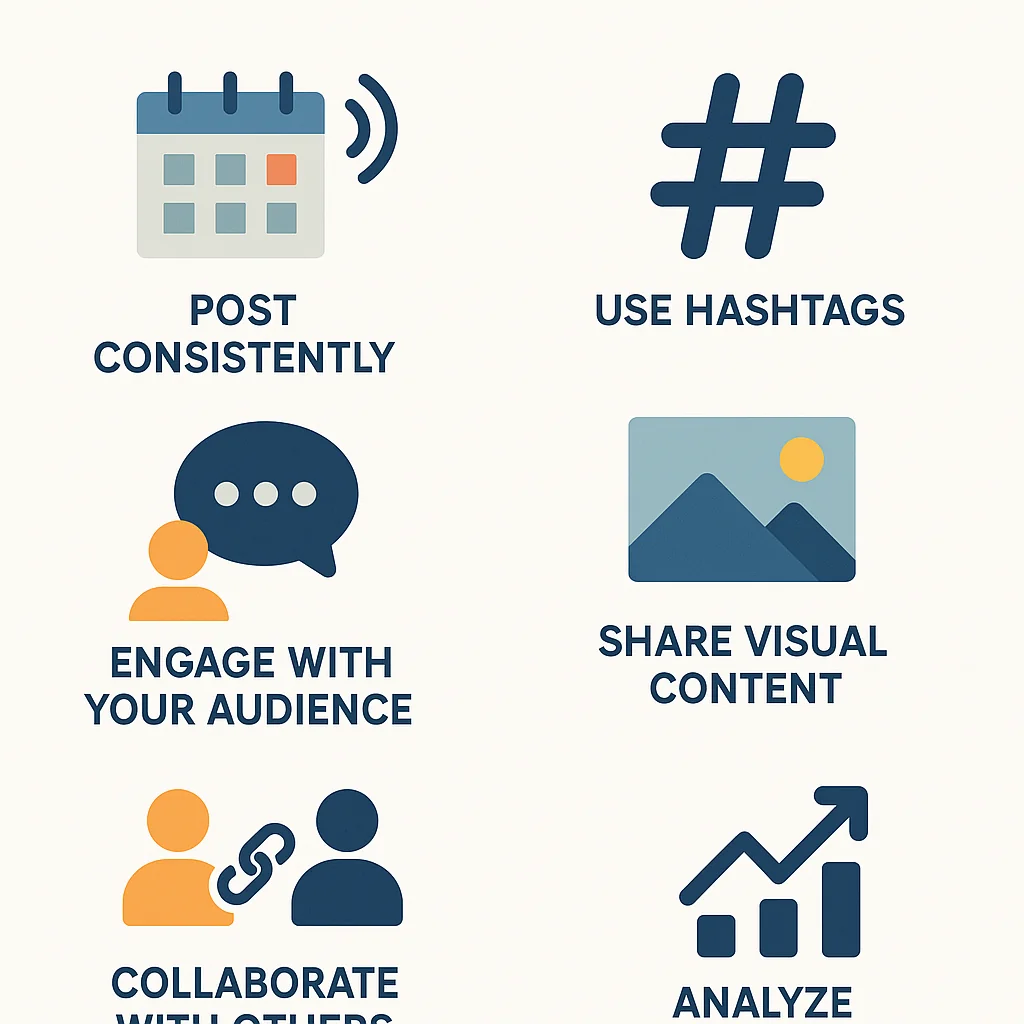
    • Post consistently: Regular posting keeps your audience engaged and signals to the algorithm that you are an active creator. Aim for at least one video per day.
    • Engage with your audience: Respond to comments and engage with other creators. Building a community increases your content’s reach.

    For expert tips on video content creation, visit StoryChief’s blog.

    By following these tips, you’ll be well on your way to mastering the TikTok Algorithm Guide 2025 and boosting your TikTok engagement tips.

    After optimizing your content for TikTok, it’s crucial to steer clear of common pitfalls that could hinder your success. Here are some typical mistakes to avoid to stay ahead in the TikTok Algorithm Guide 2025:
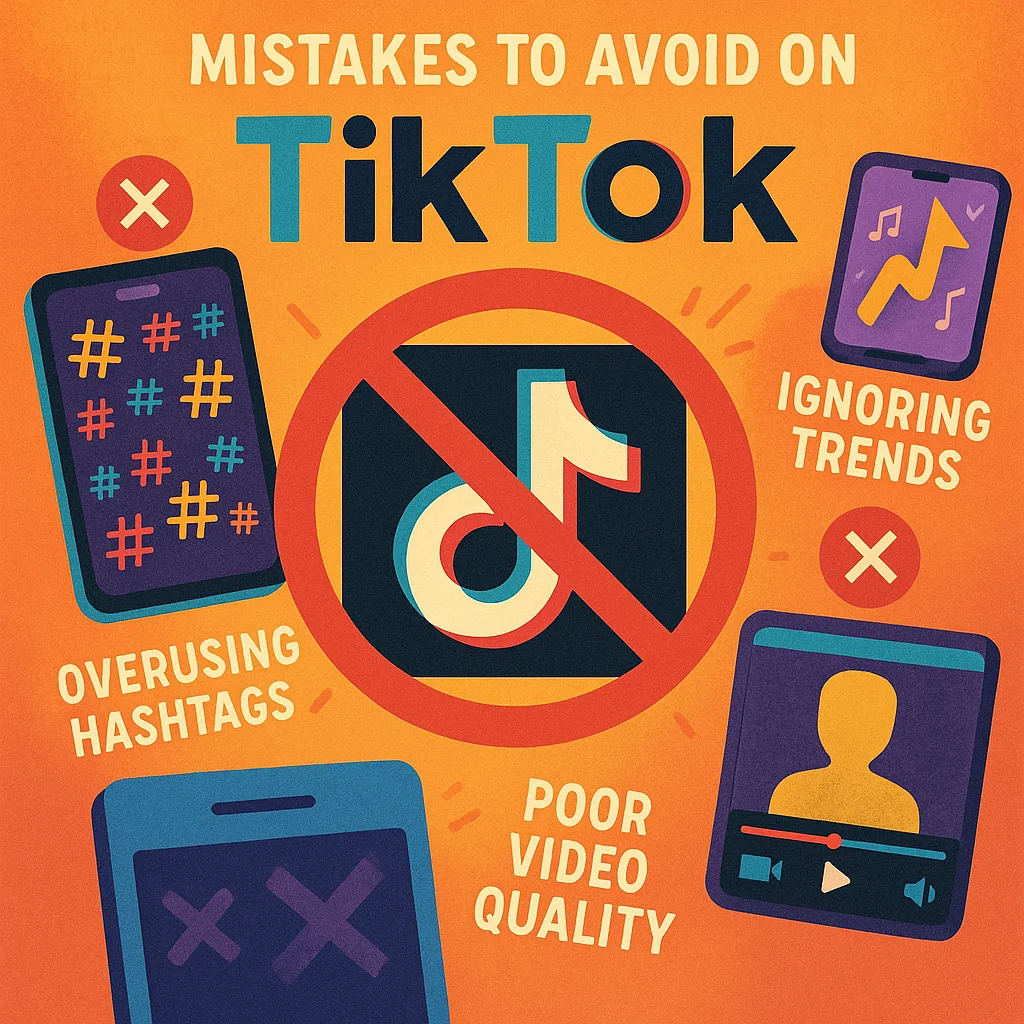
    Illustration highlighting common mistakes to avoid on TikTok, including overusing hashtags, ignoring trends, and poor video quality.

    Overusing Hashtags

    While hashtags are essential for categorizing your content and reaching a broader audience, overusing them can backfire. Too many hashtags can make your posts appear spammy and reduce their effectiveness. Stick to a few relevant hashtags that align with your content and target audience. This approach ensures that your content remains discoverable without overwhelming potential viewers.

    Ignoring Trends

    One of the core elements of successful TikTok marketing strategies is staying on top of current trends. Ignoring trends can make your content seem outdated and less engaging. Spend time exploring the “Discover” page to identify popular challenges, sounds, and formats. Incorporate these elements creatively into your content to maintain relevance and increase your chances of being featured on the “For You” page.

    Poor Video Quality

    Video quality plays a significant role in capturing and retaining viewer attention. Poorly lit or low-resolution videos can deter viewers and negatively impact your engagement rates. Invest in good lighting, use a high-resolution camera, and ensure your videos are well-edited. High-quality content not only looks professional but also aligns with the preferences of the TikTok community.

    Timing your posts can also impact engagement, similar to other social platforms. For more insights on the best times to post, you can read more here.

    For further guidance on effective social media practices, check out this comprehensive guide on social media best practices.

    By avoiding these common mistakes, you’ll be better positioned to leverage the TikTok Algorithm Guide 2025 for optimal results. Next, let’s explore some case studies of successful TikTok campaigns to gain deeper insights into what works best.

    Having discussed the common pitfalls to avoid, let’s delve into some real-world examples of how brands and influencers have successfully navigated the TikTok landscape.

    Photorealistic image showing a successful TikTok campaign with a brand and influencer collaboration, highlighting engagement rates and follower growth.

    Case Study 1: Brand Success

    In our TikTok Algorithm Guide 2025, we highlight the case of a global fashion brand that leveraged TikTok’s unique engagement tactics to significantly increase its visibility. By creating a series of interactive challenges and utilizing trendy hashtags, the brand saw a 300% increase in followers within three months. The key takeaway here is the power of interactive elements and understanding what resonates with your target audience.

    Case Study 2: Influencer Growth

    Another compelling example is an emerging influencer who skyrocketed to fame using effective TikTok engagement tips. By consistently posting high-quality content and engaging with followers through live sessions, this influencer gained over a million followers in six months. They also utilized cross-platform strategies, such as reposting content on Instagram, which can be further explored through reposting strategies for cross-platform growth.

    Lessons Learned from Each Case Study

    • Interactive Content is Key: Both the brand and the influencer utilized interactive content to boost engagement.
    • Consistency and Quality Matter: Regular posting of high-quality content plays a crucial role in sustaining growth.
    • Cross-Platform Strategies: Leveraging multiple platforms can amplify your reach and reinforce your brand message.

    For a more detailed analysis of successful social media campaigns, check out this in-depth analysis of social media campaigns on ScienceDirect.

    Having explored successful TikTok campaigns in detail, let’s shift our focus to what lies ahead. Understanding future trends and predictions for the TikTok algorithm is crucial to maintaining your competitive edge. Here’s what you need to know:

    Illustration depicting future trends and predictions for TikTok in 2025, including algorithm changes and emerging content trends.

    Predicted Changes in the Algorithm

    As we look towards 2025, several TikTok algorithm changes 2025 are anticipated. These changes will likely prioritize even more personalized content delivery, leveraging advanced machine learning techniques to enhance user engagement. Creators should prepare for an increased emphasis on video quality and viewer interaction metrics, such as comments and shares, over mere view counts.

    Emerging Content Trends

    Emerging content trends will play a significant role in shaping the TikTok landscape. Expect a rise in immersive and interactive content, such as augmented reality (AR) effects and real-time user participation features. Additionally, niche communities will continue to grow, fostering more targeted and engaged audiences. Keeping an eye on these trends and incorporating them into your content strategy will be essential.

    How to Stay Ahead of the Curve

    To stay ahead of the curve, it’s vital to continually adapt and innovate. Here are some strategies:

    • Stay Informed: Regularly review industry reports and analyses. For instance, this report on future social media trends can provide valuable insights.
    • Experiment and Analyze: Test new content formats and features, and use analytics to understand what works best for your audience.
    • Engage with Your Community: Foster a strong community by actively engaging with your followers and responding to their feedback. This can help you anticipate shifts in preferences and trends.
    • Leverage Data: Stay updated with the latest social media statistics to inform your strategy and make data-driven decisions.

    By anticipating TikTok algorithm changes 2025 and adapting to emerging content trends, you’ll be well-equipped to navigate the evolving landscape of TikTok successfully.

    As we look ahead to the evolving landscape of TikTok in 2025, it becomes evident that understanding the TikTok algorithm is crucial for success. By staying informed about the latest changes and trends, you position yourself to harness the platform’s full potential effectively.

    Implementing optimization strategies can significantly boost engagement, allowing you to reach a wider audience and enhance your content’s visibility. From mastering key factors influencing the algorithm to avoiding common mistakes and analyzing successful case studies, every step you take brings you closer to mastering TikTok’s dynamic environment.

    Stay proactive, adapt swiftly to changes, and continue experimenting with new ideas. This approach will not only help you keep up with TikTok’s algorithm but also ensure you remain at the forefront of content creation in this ever-evolving digital space.
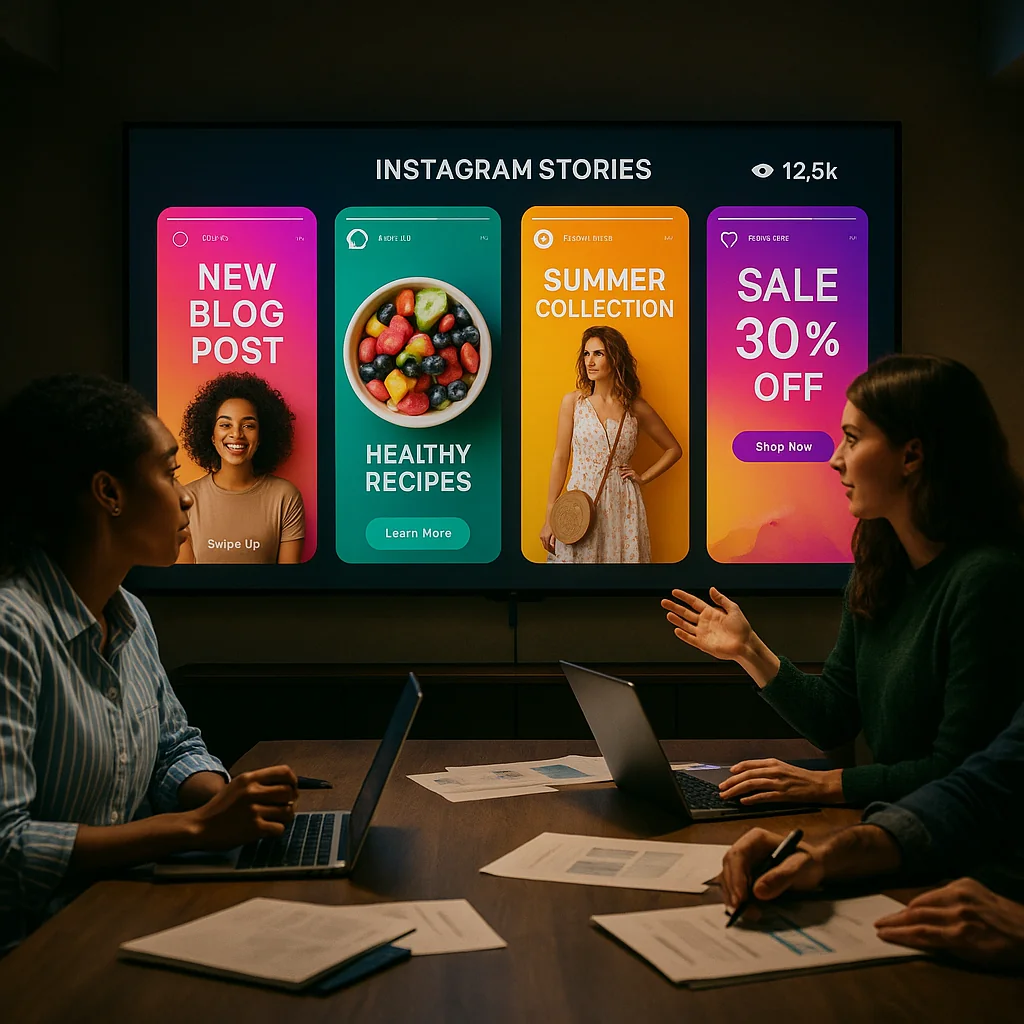
  • Instagram Storylines for Brands: Ultimate Guide

    Instagram Storylines for Brands: Ultimate Guide

    Transitioning from traditional posts, Instagram Storylines offer a dynamic way for brands to connect with their audience on a more personal level. These storylines, a collection of images and videos that create a cohesive narrative, can be a powerful tool for brands aiming to increase engagement and build a more authentic connection with their followers.

    For brands, using Instagram Storylines effectively involves creating content that is not only visually appealing but also tells a compelling story. By strategically planning your storyline, you can highlight behind-the-scenes moments, share customer testimonials, or showcase product launches in a way that feels more intimate and engaging than regular posts. This approach can help humanize your brand and foster a deeper connection with your audience.

    Additionally, incorporating interactive elements like polls, quizzes, and questions can boost engagement and provide valuable insights into your audience’s preferences and interests. By making your followers feel like they are part of the story, you enhance their investment in your brand, leading to increased loyalty and advocacy.

    In summary, Instagram Storylines are a versatile and effective tool for brands looking to elevate their social media strategy. By focusing on creating rich, interactive narratives, brands can build stronger relationships with their audience and stand out in a crowded digital landscape.

    Building on our ultimate guide, let’s dive into an essential feature that is transforming how brands engage with their audience: Instagram Storylines. This feature allows brands to create a series of interconnected stories providing a cohesive narrative experience.

    Infographic explaining the concept of Instagram Storylines and their importance for brand engagement.

    Definition of Instagram Storylines: Instagram Storylines are a sequence of Instagram Stories that are linked together, creating a continuous and engaging narrative. Unlike standalone stories, these storylines can help brands weave a compelling tale over multiple posts, keeping the audience hooked and encouraging them to follow along.

    Overview of the feature: This feature is part of the broader suite of Instagram features designed to enhance user engagement. Brands can use various media types, such as photos, videos, and interactive elements like polls and quizzes, to make their storylines more dynamic and engaging. Each story within the storyline can build on the previous one, providing a structured way to present content that is both visually appealing and informative.

    Importance for brand engagement: Instagram Storylines for Brands are particularly powerful for maintaining audience interest over a longer period. They offer a unique opportunity to tell a story in a segmented yet connected way, which can lead to higher engagement rates and a more loyal following. By utilizing storylines, brands can create a narrative that resonates with their audience, fostering a deeper connection and encouraging more interaction. For instance, a brand might use a storyline to launch a new product, share behind-the-scenes content, or highlight customer testimonials, all while maintaining a cohesive theme.

    For more on Instagram features, check out our guide on how to repost on Instagram. Additionally, you can explore the official Instagram help page on Storylines for further details.

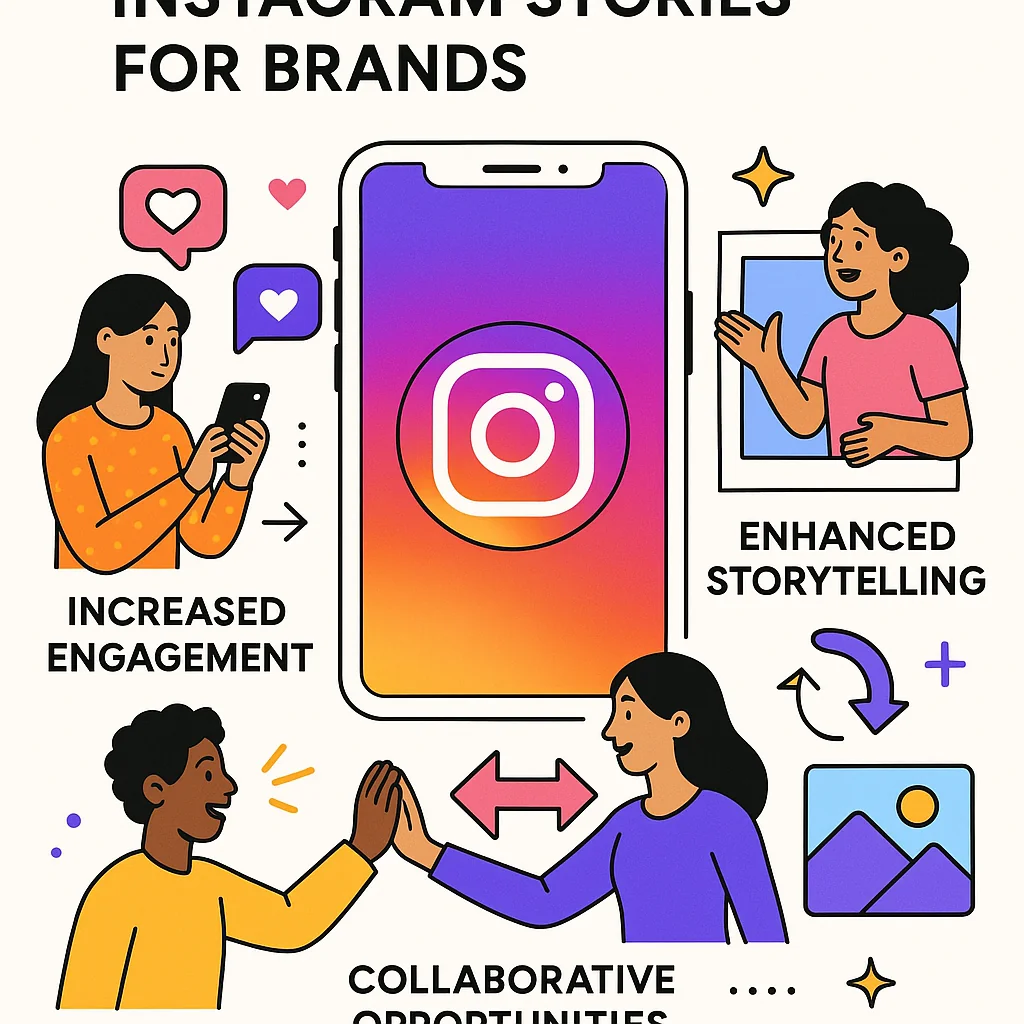
    After familiarizing yourself with the basics of Instagram Storylines, it’s time to delve into the numerous benefits they offer for brands. Leveraging Storylines can significantly amplify your Instagram marketing efforts by enhancing engagement and storytelling, while also providing collaborative opportunities.

    Illustration showing the benefits of using Instagram Storylines for brands, including increased engagement and enhanced storytelling.

    Increased Engagement

    One of the primary advantages of using Storylines is the increased engagement they generate. Instagram’s interactive features—like polls, questions, and swipe-ups—encourage users to participate actively with your content. This heightened level of brand engagement on Instagram can lead to more meaningful interactions and a stronger connection with your audience. Understanding metrics is crucial, so be sure to learn more about reach vs impressions vs engagement.

    Enhanced Storytelling

    Storylines offer a dynamic way to tell your brand’s story, going beyond static posts and standard videos. They allow for a more immersive and continuous flow of content, which can keep your audience hooked. Enhanced storytelling through Storylines helps in building a compelling narrative that resonates with your followers, ultimately driving better Instagram marketing results. For example, incorporating behind-the-scenes clips, day-in-the-life segments, or user-generated content can make your Storylines more relatable and engaging.

    Collaborative Opportunities

    Storylines also open up collaborative opportunities with other brands and influencers. By co-creating content, you can tap into new audiences and offer fresh perspectives. Collaborations can be incredibly effective for cross-promotion and expanding your reach. A great place to see how brands have successfully engaged through Storylines is this case study on brand engagement through Storylines.

    By integrating these elements into your Instagram marketing strategy, you can leverage Storylines to foster deeper connections with your audience and boost overall engagement. In the next section, we will guide you through the steps to create collaborative stories effectively.

    Having understood the myriad benefits of using Instagram Storylines for your brand, let’s dive into the practical steps of creating these engaging narratives. A well-crafted storyline not only boosts engagement but also fosters a sense of community through collaborative content. Here’s how to get started:

    Setting Up a Storyline

    First, ensure your Instagram account is set up as a business profile. This will give you access to analytics and other features essential for brands. Navigate to your profile and tap the “+” icon to start creating a new story. Select the “Story” option to begin. It’s crucial to plan your storyline in advance. Define the theme, objectives, and the type of content you want to include. Consider using a mix of photos, videos, and text to keep your audience engaged.

    Inviting Collaborators

    One of the unique features of Instagram Storylines for Brands is the ability to invite collaborators. This can include influencers, brand ambassadors, or even your most engaged followers. To invite a collaborator, start by creating your initial story slide. Before publishing, tap the “link” icon and select “Invite Collaborator.” You can then search for the Instagram handles of your desired collaborators and add them to your story. Ensure that you brief them on the storyline’s theme and expectations to maintain consistency.

    Publishing and Promoting Stories

    Once your storyline is set up and collaborators are on board, it’s time to publish. Tap the “Share” button to post your story. To maximize reach, cross-promote your storyline on other social media platforms and encourage your collaborators to do the same. Utilize Instagram’s built-in features like hashtags, location tags, and interactive stickers to boost visibility. Creating engaging content is key, learn how to create viral Instagram Reels to complement your storylines.

    For a more comprehensive understanding, check out this tutorial video on creating Instagram Storylines. It offers valuable insights and step-by-step instructions to enhance your storytelling skills.

    By following these steps, you can create compelling and collaborative Instagram Storylines that captivate your audience and amplify your brand’s presence.

    Building on our step-by-step guide to creating collaborative stories, it’s essential to understand the best practices that can make your Instagram storylines truly engaging.

    Illustration showing best practices for creating engaging Instagram Storylines, such as visual storytelling techniques and interactive elements.

    Visual Storytelling Techniques

    Visual storytelling is at the heart of social media storytelling. Use high-quality images, videos, and graphics to capture your audience’s attention. Employ a consistent color scheme and aesthetic that aligns with your brand identity. Including behind-the-scenes content or user-generated content can also create a more personal connection with your audience. For an in-depth look at immersive visual storytelling, check out this high-quality study on visual storytelling.

    Interactive Elements

    Incorporate interactive elements such as polls, quizzes, and question stickers to engage your audience actively. These features not only make your stories more dynamic but also encourage viewers to participate and share their opinions. This level of interaction can significantly boost your engagement rates and foster a sense of community around your brand. Remember, timing is crucial; learn about the best time to post on Facebook for maximum engagement.

    Consistency and Branding

    Consistency is key in maintaining a strong brand presence on Instagram. Ensure that your storylines are regularly updated and align with your overall brand message. Utilize branded hashtags and maintain a consistent tone of voice across all your stories. This not only reinforces your brand identity but also makes it easier for your audience to recognize and connect with your content.

    By integrating these best practices into your Instagram storylines, you can create more engaging, memorable, and impactful content that resonates with your audience.

    Building on the best practices for creating engaging Instagram Storylines, let’s delve into some real-world examples that showcase how brands have effectively used this tool to boost their social media campaigns.

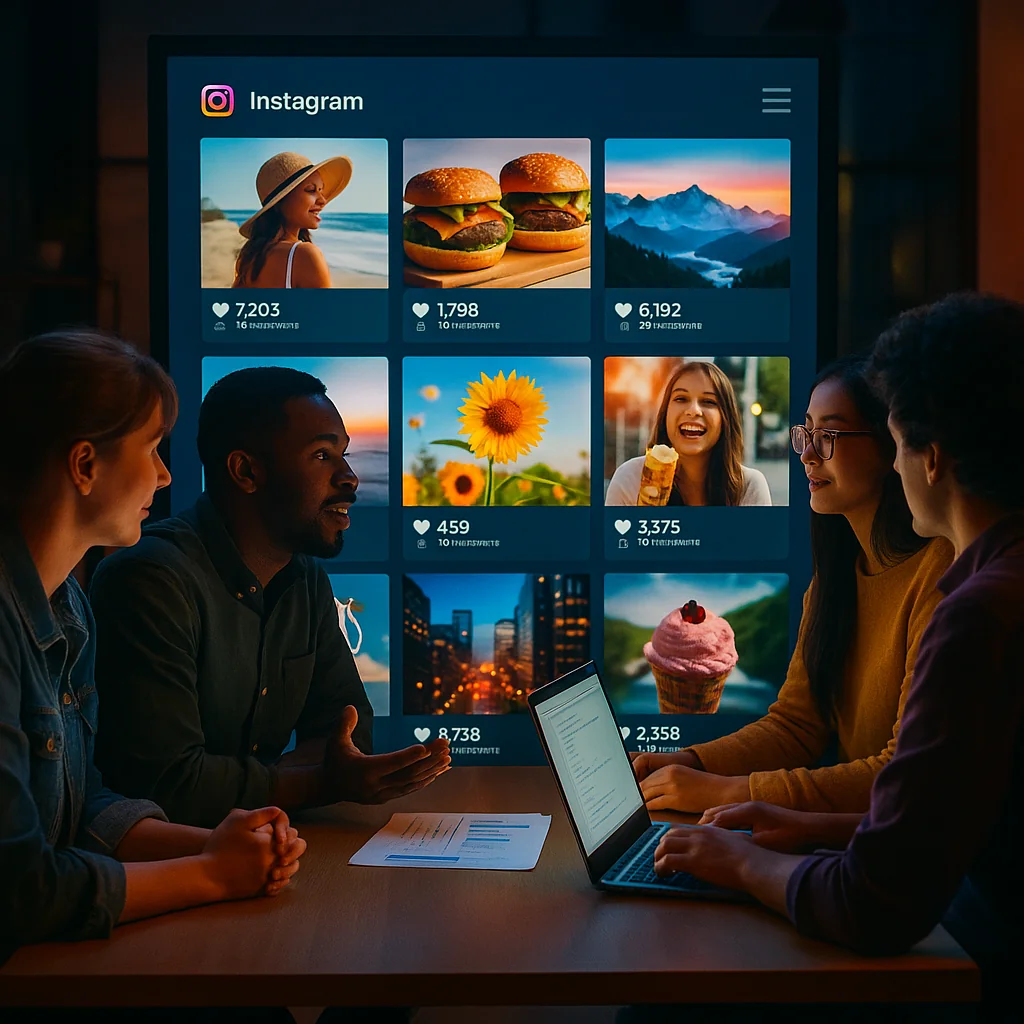
    Photorealistic image showcasing a successful brand campaign using Instagram Storylines with examples of engaging stories and audience interaction.

    Brand X’s Successful Campaign

    Brand X leveraged Instagram Storylines for Brands to run a compelling campaign that captivated their audience. They focused on authentic storytelling by featuring user-generated content and behind-the-scenes footage. This approach not only humanized their brand but also fostered a deeper connection with their followers. The campaign saw a significant increase in engagement rates, with a 25% rise in story views and a 15% increase in direct messages from followers.

    Brand Y’s Innovative Use of Storylines

    Brand Y took a different approach by using Instagram Storylines to launch a new product. They incorporated interactive elements such as polls, quizzes, and swipe-up links to create a buzz around the product. This strategy not only generated excitement but also provided valuable insights into customer preferences. The innovation in their social media campaigns led to a 30% increase in product sales within the first week of launch.

    Lessons Learned from These Case Studies

    From these case studies, several key lessons emerge:

    • Authenticity Matters: Both Brand X and Brand Y demonstrated that authentic, relatable content resonates well with audiences.
    • Interactive Elements Drive Engagement: Incorporating interactive elements such as polls and quizzes can significantly boost engagement and provide insights into customer preferences.
    • Data-Driven Decisions: Monitoring the performance of Storylines and adjusting strategies accordingly can lead to better outcomes and more effective campaigns.

    For broader social media trends, see our 2025 global social media statistics overview. Additionally, for more insights, check out this interview with a brand manager using Storylines.

    Having explored various successful brand storylines, it’s crucial to understand how to measure the success of your own Instagram Storylines. To effectively gauge performance, you’ll need to focus on key metrics, utilize appropriate tools, and interpret the data accurately.

    Infographic showing key metrics and tools for measuring the success of Instagram Storylines.

    Key Metrics to Track

    When measuring Instagram Storylines, several metrics can provide valuable insights:

    • Views: The number of times your storyline has been viewed.
    • Engagement: Includes likes, comments, shares, and direct messages received from your story.
    • Completion Rate: The percentage of viewers who watched your entire storyline.
    • Click-Through Rate (CTR): The ratio of users who clicked on links within your story compared to the total viewers.
    • Reach vs. Impressions: Metrics are essential, understand the differences between reach, impressions, and engagement.

    Tools for Measurement

    To track these metrics efficiently, several tools can help:

    • Instagram Insights: Provides an in-depth look at your story’s performance directly within the app.
    • Third-Party Analytics Tools: Tools like Hootsuite, Sprout Social, and Iconosquare offer advanced analytics and reporting features.
    • Google Analytics: When combined with UTM parameters, it helps track traffic from Instagram Storylines to your website.

    For a more detailed guide on analytics tools, visit Instagram’s help center.

    Interpreting the Data

    Once you’ve gathered your data, interpreting it correctly is key to enhancing brand engagement on Instagram. Here are some tips:

    • Identify Trends: Look for patterns in high engagement rates to replicate successful content strategies.
    • Understand Your Audience: Analyze which types of content resonate most with your viewers.
    • Optimize Timing: Discover the optimal times to post by examining when your audience is most active.
    • Adjust Accordingly: Use the insights gained to refine and improve future storylines for better engagement.

    By focusing on these aspects of measuring Instagram Storylines, you’ll be better equipped to understand and enhance your brand’s performance on the platform. Next, we’ll explore tips for encouraging audience participation to further boost your storyline’s success.

    After measuring the success of your storylines, it’s time to delve into strategies to maximize audience participation. Active engagement from your followers can significantly enhance the impact of your Instagram Storylines for Brands. Here are some actionable tips to encourage audience participation:

    Illustration showing tips for encouraging audience participation in Instagram Storylines, such as using polls and questions.

    Using Polls and Questions

    One of the simplest yet most effective ways to engage your audience is by using polls and questions. These interactive elements invite viewers to share their opinions and thoughts, making them feel valued and heard. For instance, you can ask your audience for feedback on a new product or their preferences between two options. This not only boosts engagement but also provides valuable insights into your audience’s preferences.

    Incentivizing Participation

    Offering incentives is a powerful motivator for participation. Consider running contests or giveaways where followers must engage with your stories to enter. You can ask them to vote in a poll, answer a quiz, or share their own stories related to your brand. Incentives can range from discounts to exclusive access to events or products. This strategy not only increases participation but also helps in building a loyal customer base.

    Highlighting User-Generated Content

    Featuring user-generated content (UGC) in your storylines is a fantastic way to encourage audience participation. When followers see their content highlighted, it fosters a sense of community and belonging. Encourage your audience to tag your brand in their stories or use a specific hashtag. Then, share this content in your storylines, giving credit to the original creators. This not only boosts engagement but also provides authentic content that resonates with your audience.

    By implementing these tips, you can significantly enhance audience participation in your Instagram Storylines for Brands. Engagement is key, learn how to create viral Instagram Reels for even more interactive content. For more examples of successful audience participation, check out this resource.

  • TikTok Marketing Guide for Brands 2025: Ultimate Strategies

    TikTok Marketing Guide for Brands 2025: Ultimate Strategies


    As brands look ahead to 2025, TikTok continues to be a powerhouse for marketing opportunities, driving innovation and engagement like never before. To capitalize on this dynamic platform, it’s crucial to understand and implement key strategies that will set your brand apart.

    First and foremost, setting up a TikTok business account is essential. This account type offers advanced features and analytics that are invaluable for tracking performance and optimizing campaigns. Make sure to complete your profile with compelling visuals and a clear brand message to attract followers right from the start.

    Once your account is set up, the next step is creating engaging content. TikTok thrives on creativity and authenticity, so it’s important to produce videos that resonate with your target audience. Use diverse content formats such as challenges, behind-the-scenes looks, and educational snippets to keep your audience hooked.

    Additionally, don’t overlook the power of leveraging trends and influencers. Staying updated with the latest TikTok trends can help your content go viral. Collaborate with influencers who align with your brand values to amplify your reach and credibility. Influencers can introduce your brand to new audiences and lend authenticity to your marketing efforts.

    In the following sections, we will delve deeper into each of these strategies, providing you with the tools and insights needed to excel in TikTok marketing throughout 2025.

    Building on the ultimate strategies outlined in our TikTok Marketing Guide for Brands 2025, it’s crucial to delve into the specifics of why TikTok marketing has become indispensable for brands today.

    Illustration of TikTok logo surrounded by marketing icons, representing the introduction to TikTok marketing.

    TikTok has experienced explosive growth, amassing a diverse and engaged user base. With over 1 billion active users, the platform’s demographics skew young, predominantly featuring Gen Z and Millennials. This makes TikTok a goldmine for brands targeting these influential age groups. Recent studies have highlighted TikTok’s unparalleled user engagement rates, further solidifying its status as a must-have tool in your marketing arsenal.

    So, why should brands prioritize TikTok marketing? The key lies in its unique features and the opportunities they present. TikTok offers a variety of creative tools, including filters, soundtracks, and effects, enabling brands to craft compelling and visually appealing content. Additionally, the platform’s algorithm is designed to promote content that resonates with users, regardless of the account’s follower count. This means that with the right strategy, even new brands can achieve viral success. For an in-depth look at social media trends, check out our global social media statistics overview.

    Moreover, TikTok’s marketing features, such as branded hashtags, challenges, and in-feed ads, provide brands with multiple avenues to engage their audience effectively. By leveraging these tools, brands can create interactive and engaging content that fosters community and drives brand loyalty.

    In summary, understanding TikTok’s user demographics and growth, recognizing its marketing potential, and utilizing its key features are essential steps in crafting a successful TikTok marketing strategy. As we move forward, we’ll explore how to set up your TikTok business account to maximize these opportunities.

    Now that you have a solid understanding of the basics of TikTok marketing, it’s time to dive into the specifics of setting up your TikTok business account. This essential step will provide the foundation for your brand’s presence on the platform.

    Infographic showing steps to set up a TikTok business account, including downloading the app, signing up, and optimizing profile.

    Step-by-Step Account Setup

    Creating a TikTok business account is straightforward. Follow these steps to get started:

    1. Download the TikTok app from the App Store or Google Play Store if you haven’t already.
    2. Sign up for an account using your email, phone number, or an existing social media account.
    3. Navigate to your profile by tapping the ‘Me’ icon at the bottom right of the screen.
    4. Tap the three dots at the top right corner to access settings and privacy options.
    5. Select ‘Manage Account’ and then choose ‘Switch to Business Account’.
    6. Follow the prompts to complete your business profile setup, including adding your business category and contact details.

    For a detailed guide, you can refer to the official TikTok business account setup guide.

    Optimizing Your Profile

    Once your TikTok business account setup is complete, it’s crucial to optimize your profile to attract and engage your target audience. Here are some tips:

    • Profile Picture: Use a high-quality image that represents your brand, such as your logo.
    • Bio: Craft a concise and compelling bio that clearly conveys your brand’s mission and values. Include relevant keywords related to your niche.
    • Link: Make sure to add your website link to drive traffic from your TikTok profile to your business site.

    Using TikTok’s Business Tools

    Leveraging TikTok’s business tools can significantly enhance your marketing efforts. Some of the key tools include:

    • Analytics: TikTok’s analytics provide valuable insights into your audience’s behavior and content performance, helping you refine your strategy.
    • Ads Manager: This tool allows you to create and manage ads, targeting specific demographics to maximize reach and engagement.
    • Creator Marketplace: Connect with influencers to collaborate on campaigns that resonate with your audience.

    By effectively setting up and optimizing your TikTok business account, you’ll be well on your way to leveraging TikTok marketing to its fullest potential. Learn how to manage your brand’s presence on other platforms as well.

    With your TikTok business account all set up, it’s time to delve into creating a winning TikTok marketing strategy. This involves understanding how to leverage TikTok’s unique platform to maximize your brand’s visibility and engagement.

    Illustration of a creative workspace with TikTok logo, content creation tools, and strategy charts, representing a winning TikTok marketing strategy.

    Understanding TikTok’s Algorithm

    To succeed with your TikTok marketing, it’s crucial to understand the platform’s algorithm. TikTok’s algorithm determines which content appears on users’ “For You” pages, which is where most discovery happens. Factors such as user interactions, video information, and device/account settings play significant roles. For a deeper dive into this, consider exploring this high-quality study on TikTok’s algorithm.

    Content Creation Tips

    Creating engaging content is at the heart of any effective TikTok content strategy. Here are some key tips:

    • Keep it short and sweet: TikTok users prefer quick, snappy videos. Aim for content that is entertaining and to the point.
    • Use trending sounds and effects: Incorporating popular sounds and effects can help your content reach a broader audience.
    • Tell a story: Even in short clips, storytelling can make your content more compelling and memorable.
    • Be authentic: Authenticity resonates well with TikTok’s audience. Showcase the genuine side of your brand.

    Engaging with Your Audience

    Engagement is a key component of a successful TikTok marketing strategy. Here are some ways to boost interaction:

    • Respond to comments: Engaging with users through comments can build a loyal community around your brand.
    • Utilize duets and stitches: These features allow you to interact creatively with other users’ content, fostering a sense of community and collaboration.
    • Host challenges: Create branded challenges to encourage user-generated content and increase engagement.
    • Analyze feedback: Regularly review feedback to understand what your audience likes and dislikes, and adjust your strategy accordingly.

    For insights on creating viral content, read our guide on Instagram Reels.

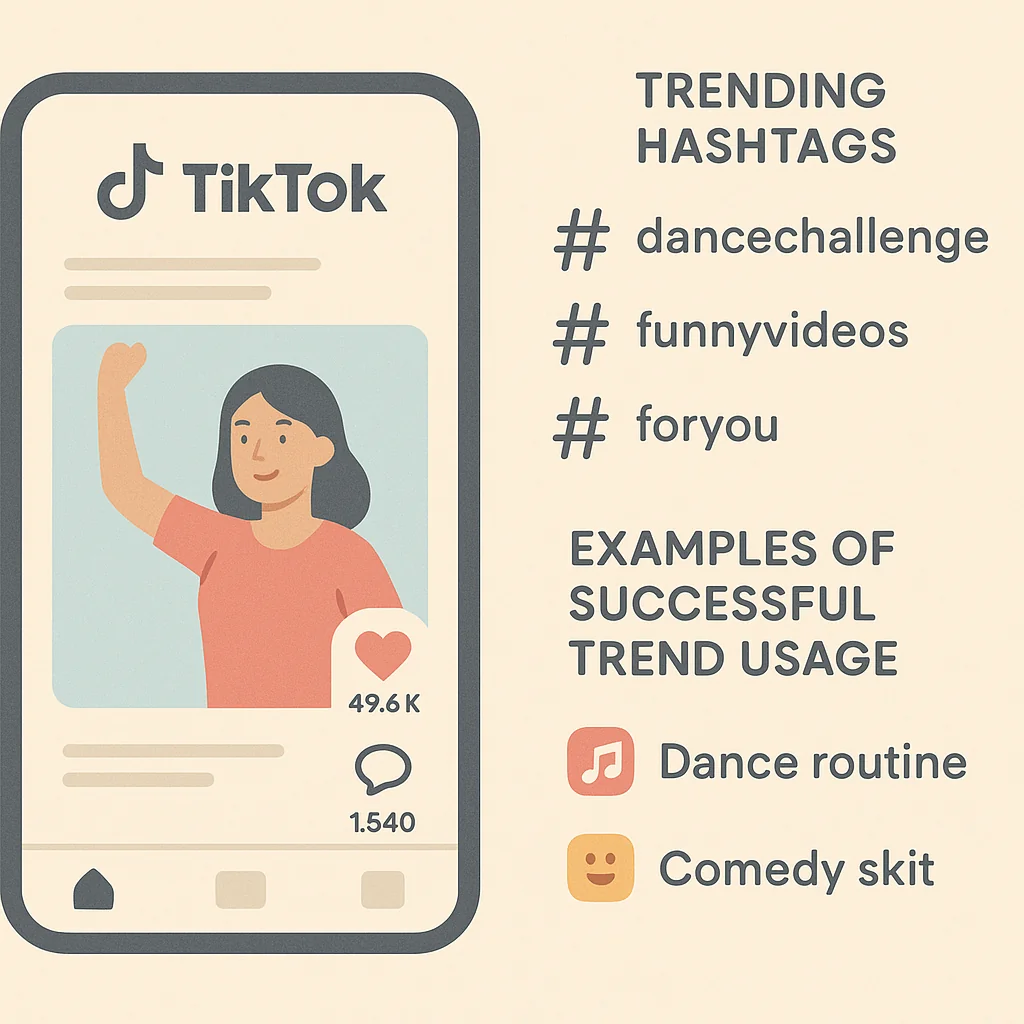
    After crafting a solid TikTok marketing strategy, the next step is to tap into the power of TikTok trends and hashtags to expand your reach and engagement. Harnessing these elements effectively can set your brand apart in the fast-paced world of TikTok.

    Infographic showing TikTok app interface with trending hashtags and examples of successful trend usage.

    Identifying Current Trends

    To stay ahead on TikTok, it’s vital to keep an eye on the latest trends. Regularly browse the ‘For You’ page and explore popular hashtags to see what content is resonating with users. Additionally, follow trend reports and updates from TikTok to stay informed. For instance, TikTok’s latest trend reports provide valuable insights into emerging themes and popular content categories.

    Using Hashtags Effectively

    Hashtags are a powerful tool in TikTok marketing. They help categorize your content, making it easier for users to find and engage with your videos. To maximize their effectiveness:

    • Use popular and relevant hashtags: Incorporate trending hashtags that align with your content to increase visibility.
    • Create branded hashtags: Develop unique hashtags for your brand campaigns to encourage user-generated content and boost brand awareness.
    • Mix up your hashtags: Combine broad, trending hashtags with more specific ones to reach a wider yet targeted audience.

    Examples of Successful Trend Usage

    Many brands have successfully leveraged TikTok trends to enhance their marketing efforts. For example, Chipotle capitalized on the ‘GuacDance’ trend, resulting in millions of user-generated content pieces and significant engagement. Another notable example is Guess, which used the hashtag #InMyDenim to launch a challenge that gained massive traction. By understanding and participating in trends, brands can create viral content that resonates with their audience.

    For a deeper understanding of how trends and hashtags impact your reach and engagement, understand the difference between reach, impressions, and engagement to refine your strategy further.

    Building on the momentum of leveraging TikTok trends and hashtags, collaborating with TikTok influencers can be a game-changer for your brand. By partnering with the right influencers, you can amplify your reach and enhance your TikTok marketing efforts effectively.

    A TikTok influencer recording a video with professional lighting and camera setup, representing collaboration with influencers.

    Finding the Right Influencers

    Identifying the right influencers is crucial to the success of your TikTok influencer marketing strategy. Look for influencers who align with your brand values and have an engaged following in your target demographic. Use TikTok’s search and explore features to discover potential partners, and consider using influencer marketing platforms to streamline the process.

    Negotiating Collaborations

    Once you’ve identified potential influencers, it’s time to negotiate collaborations. Be clear about your campaign goals, deliverables, and budget. Ensure that the terms are mutually beneficial and that the influencer is excited about the collaboration. Open communication and clear expectations are key to fostering a successful partnership.

    Measuring Influencer Campaign Success

    To measure the success of your influencer campaigns, track key performance indicators (KPIs) such as engagement rates, follower growth, and conversions. Use TikTok’s analytics tools and third-party platforms to gather data and analyze the impact of the collaboration. For further insights on successful influencer campaigns, explore these case studies of successful influencer campaigns.

    By effectively collaborating with TikTok influencers, you can enhance your TikTok marketing strategy and achieve impressive results. Timing is crucial for social media posts, learn more about it here.

    After exploring the potential of collaborating with TikTok influencers, it’s time to delve into the powerful array of TikTok business tools at your disposal. These tools are designed to enhance your TikTok marketing efforts, streamline operations, and drive results.

    Illustration showing TikTok business tools like Ads Manager and e-commerce features on a digital dashboard.

    Overview of TikTok Business Tools

    TikTok offers a suite of business tools tailored to meet the diverse needs of brands. These tools are essential for creating, managing, and analyzing your marketing campaigns. The TikTok business tools include:

    • Business Accounts: Gain access to performance metrics and audience insights.
    • Creator Marketplace: Connect with influencers and manage collaborations directly.
    • Ads Manager: Design, launch, and monitor ad campaigns with ease.
    • Analytics: Track your content’s performance and optimize strategies accordingly.

    Using TikTok Ads Manager

    The TikTok Ads Manager is a robust platform that allows brands to create and manage their advertising campaigns. With this tool, you can:

    • Set up targeted ad campaigns based on demographics, interests, and behaviors.
    • Utilize various ad formats like In-Feed Ads, Branded Hashtag Challenges, and TopView Ads.
    • Monitor performance metrics in real-time to adjust strategies on the fly.

    The Ads Manager is designed to be user-friendly yet powerful, making it indispensable for effective TikTok marketing.

    E-commerce Features on TikTok

    TikTok has integrated e-commerce features to help brands convert viewers into customers seamlessly. These features include:

    • Shoppable Videos: Embed product links directly in your videos to facilitate immediate purchases.
    • Product Catalog Integration: Sync your product catalog with TikTok to showcase your offerings effortlessly.
    • Live Shopping Events: Host live streams where viewers can purchase products in real-time.

    These e-commerce tools are designed to enhance user engagement and drive sales, making TikTok a potent platform for digital marketing.

    Ready to take your content to the next level? Learn how to create engaging content on other platforms too.

    After leveraging TikTok’s business tools and features to enhance your brand’s presence, the next crucial step is to measure and analyze your TikTok performance. A strategic approach to TikTok analytics will help you understand what’s working and where improvements are needed.

  • 2025 Global Social Media Statistics Overview

    2025 Global Social Media Statistics Overview

    The landscape of social media in 2025 is both dynamic and expansive. As we dive into this global social media usage in 2025, it’s essential to understand the key trends shaping the digital world. With billions of users worldwide, social media platforms continue to see significant growth and evolution.

    One of the most notable trends is the rise of top growing platforms. While established giants like Facebook and Instagram maintain their dominance, platforms such as TikTok and newer entrants are experiencing exponential growth, attracting diverse demographics and fostering unique content-sharing experiences.

    In addition to platform growth, understanding key engagement metrics is crucial. Metrics such as user engagement rates, time spent on platforms, and interactive content popularity are pivotal in analyzing the success and impact of different social media platforms. These metrics provide insights into user behavior and preferences, helping marketers and businesses tailor their strategies effectively.

    As we proceed, we’ll explore a more detailed analysis of these trends and how they influence the global social media landscape. Stay tuned for a deeper dive into the global overview of social media usage in 2025 and the top social media platforms and their growth.

    Continuing from our 2025 Global Social Media Statistics Overview, let’s delve deeper into the specifics of social media usage across the globe in 2025. This section will provide insights into the total number of social media users, a regional breakdown of usage, and the year-over-year growth observed.

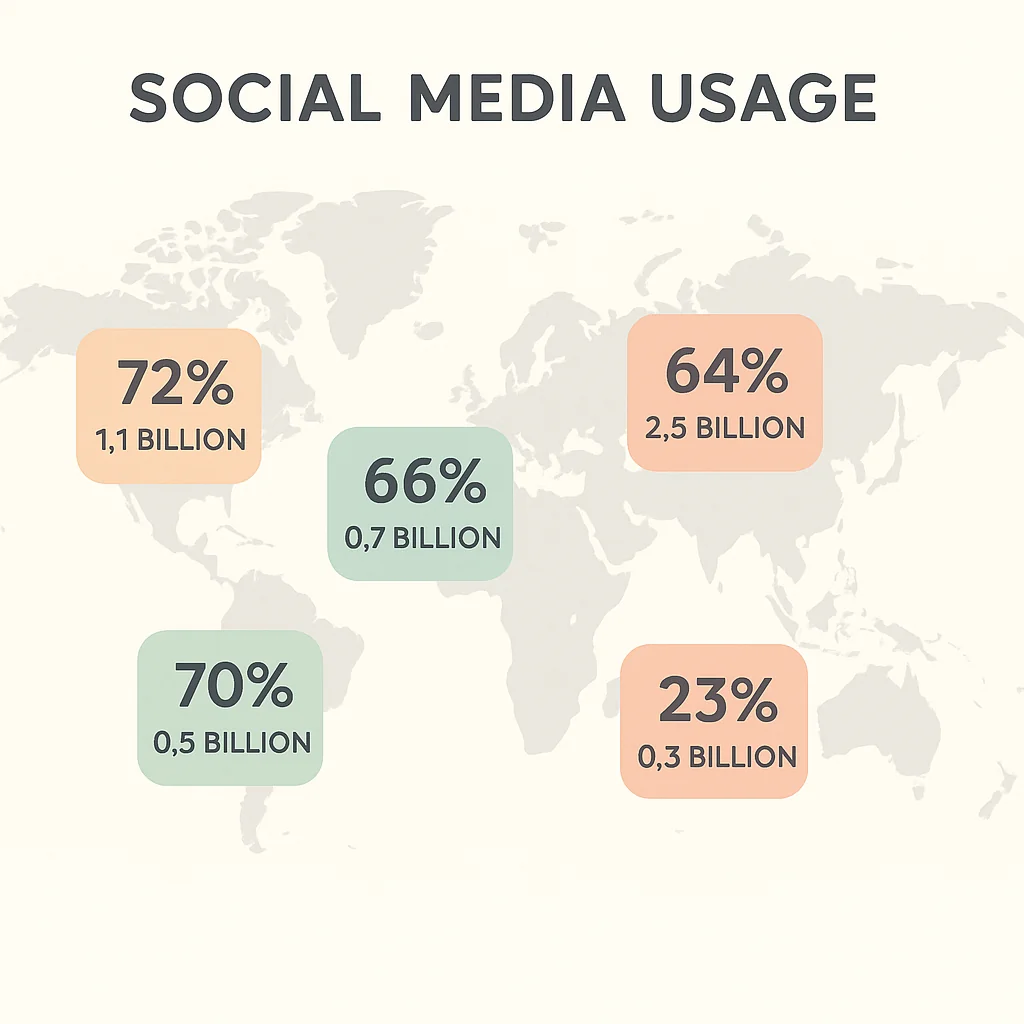
    Infographic displaying a world map with highlighted regions indicating social media usage statistics in 2025.

    As of 2025, the total number of social media users worldwide has reached an astounding 4.8 billion, representing a significant portion of the global population. This widespread adoption underscores the crucial role social media plays in modern communication, marketing, and entertainment.

    Breaking this down regionally, we see varied adoption rates and usage patterns:

    • Asia-Pacific: Leading the charge, this region accounts for over 2.1 billion users, driven by populous countries like China, India, and Indonesia.
    • North America: With a high penetration rate, North America boasts around 350 million users, reflecting the deep integration of social media into daily life.
    • Europe: Europe follows closely with approximately 450 million users, showcasing a mature market with diverse platform preferences.
    • Latin America: This region has seen rapid growth, now home to 300 million users, fueled by increased internet accessibility.
    • Africa and the Middle East: Though still emerging, these regions are experiencing the fastest year-over-year growth rates, currently at 250 million users combined.

    The year-over-year growth of social media users continues to be impressive, with an average increase of 7% globally. The surge in user numbers is attributed to improved internet infrastructure, the proliferation of affordable smartphones, and the expanding digital literacy across developing nations.

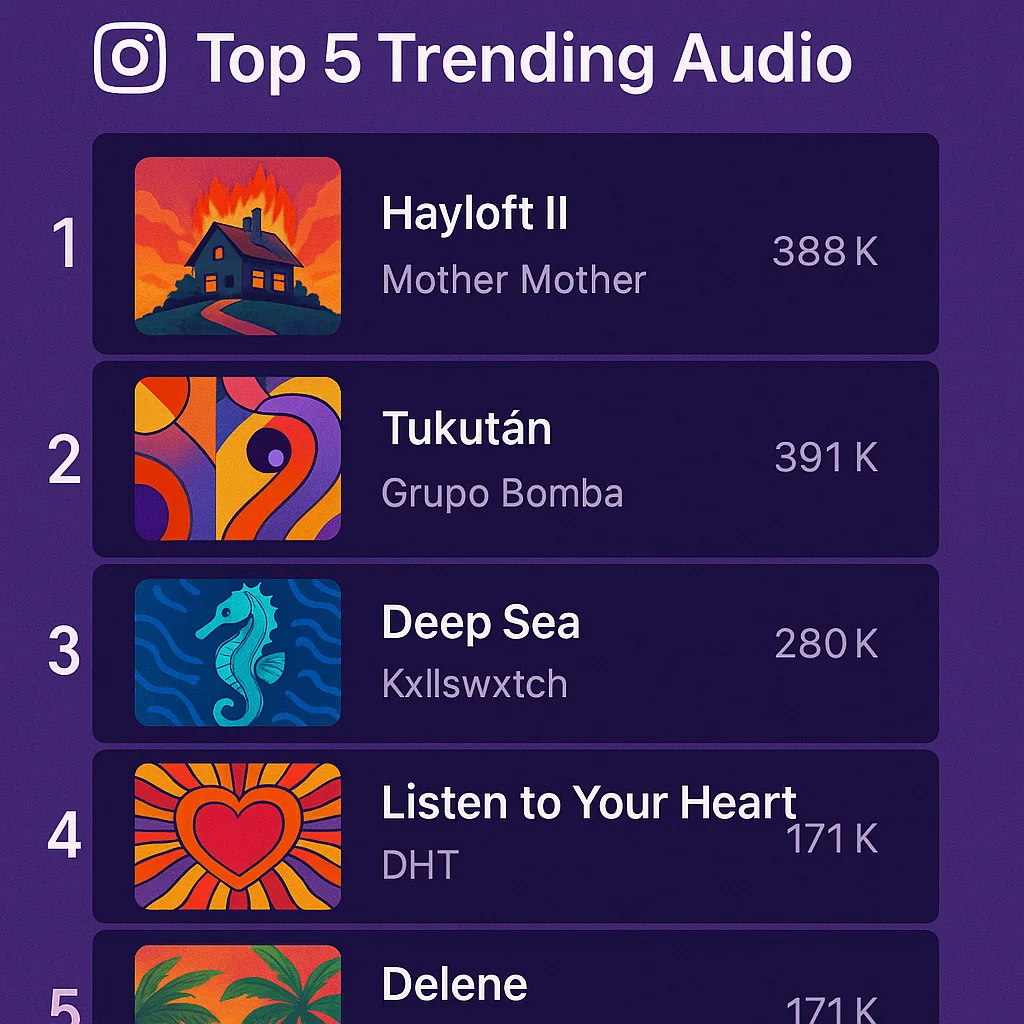
    For more detailed insights into evolving trends, check out our guide on finding trending audio on Instagram. Additionally, a high-quality study on global social media usage offers extensive data and analysis.

    Understanding these statistics helps marketers and businesses tailor their strategies to reach a diverse and growing audience effectively. In the next section, we will explore the top social media platforms and their growth trajectories.

    Building on the global overview of social media usage in 2025, it is essential to delve deeper into the specific platforms that are shaping the digital landscape. This section examines the fastest-growing social media platforms in 2025, their user demographics, and the market share and growth trends that define them.

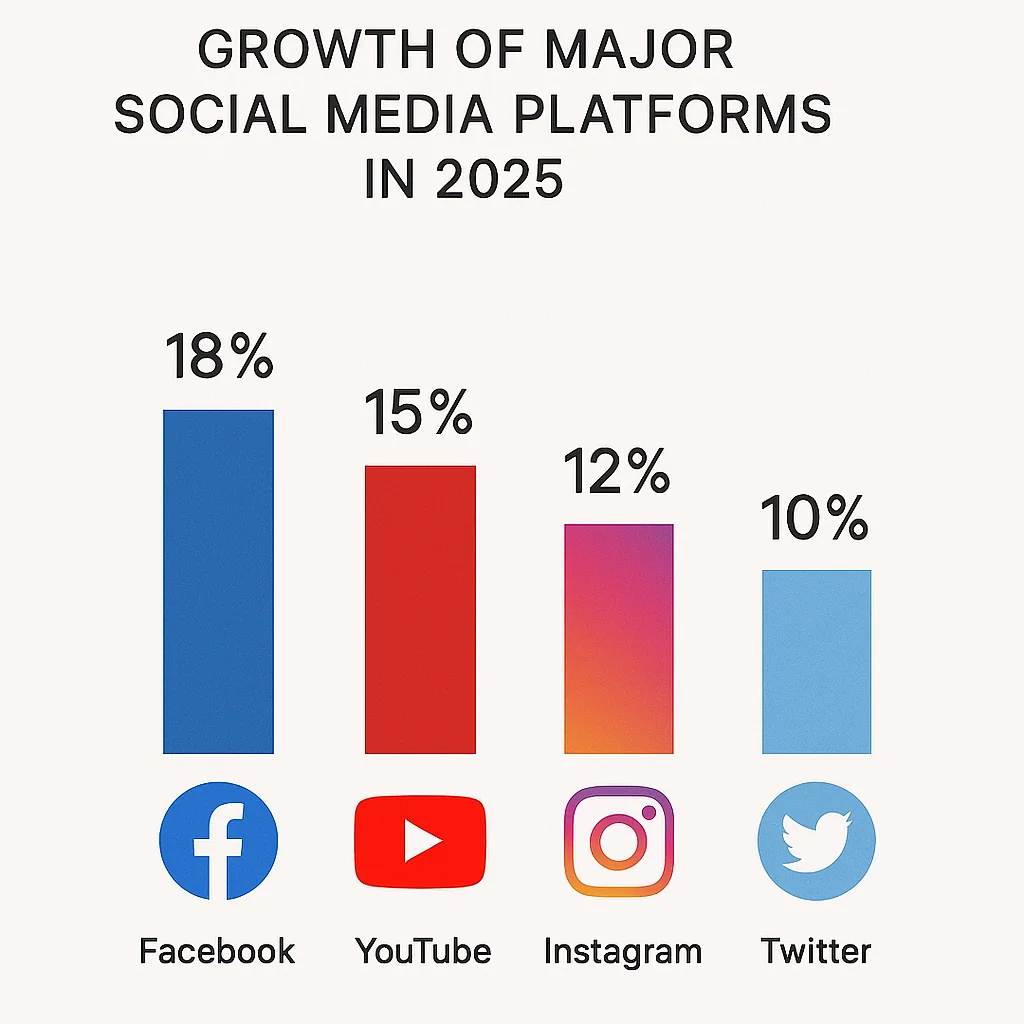
    Chart showing the growth of major social media platforms in 2025 with platform logos and growth percentages.

    Fastest-Growing Social Media Platforms

    In 2025, several platforms are experiencing unprecedented growth. TikTok continues to dominate, attracting a younger audience with its engaging short-form videos. Instagram and Snapchat follow closely, leveraging their visual-centric approaches to maintain popularity among millennials and Gen Z. Additionally, emerging platforms like Clubhouse and Discord are gaining traction, particularly among niche communities and tech-savvy users.

    User Demographics of Top Platforms

    Understanding the demographics of these platforms is crucial for businesses and marketers. TikTok, for instance, predominantly appeals to Gen Z, with a significant portion of its user base under 24 years old. Instagram, while popular among younger users, also has a substantial audience in the 25-34 age bracket. LinkedIn remains the go-to platform for professionals, with the majority of its users aged 30-49. Meanwhile, Facebook still holds a diverse demographic but is increasingly favored by older generations.

    Market Share and Growth Trends

    The market share of these platforms reflects their growth dynamics. TikTok’s explosive rise has seen it capture a significant portion of the social media market, often at the expense of older platforms like Facebook. Instagram and Snapchat continue to grow steadily, with innovations in augmented reality (AR) and e-commerce integration driving user engagement. Understanding platform-specific features can be crucial, such as the differences between TikTok business and creator accounts.

    Moreover, a recent study highlights that platforms emphasizing user privacy and community engagement are seeing the most substantial growth. Discord’s community-driven approach and Clubhouse’s focus on audio interactions exemplify this trend.

    These insights into the fastest-growing social media platforms in 2025 provide a roadmap for businesses and marketers. By understanding the demographics and growth trends of each platform, they can tailor their strategies to engage effectively with their target audiences. In the next section, we will explore a detailed demographic analysis of social media users, helping to further refine these strategies.

    Following our exploration of the top social media platforms and their growth, it’s crucial to delve into the demographic analysis of social media users. Understanding who is using these platforms can provide valuable insights for tailoring content and marketing strategies.

    Illustration of diverse demographic groups using social media, highlighting age and gender differences in social media usage.

    Age Groups and Their Social Media Habits

    Age plays a significant role in social media demographics. Young adults, particularly those aged 18-29, remain the most active users across various platforms. They are drawn to visual and short-form content, with platforms like Instagram, TikTok, and Snapchat being particularly popular. In contrast, the 30-49 age group shows a preference for Facebook and LinkedIn, utilizing these platforms for both personal connections and professional networking.

    Interestingly, older adults, aged 50 and above, are steadily increasing their presence on social media. This demographic tends to favor Facebook, where they engage with community groups and family updates. For a detailed demographic study on social media usage, you can visit the Pew Research Center’s fact sheet.

    Gender-Based Social Media Usage

    Gender differences also shape social media user statistics. Women are generally more active on platforms like Pinterest, Instagram, and Facebook. They are more likely to engage with visual content, participate in community discussions, and follow brands. On the other hand, men dominate platforms like Twitter and Reddit, where they engage in news consumption, discussions on technology, and niche communities.

    For demographic-specific strategies, explore how to get more followers on Pinterest.

    Regional Demographic Trends

    Regional variations also play a crucial role in social media demographics. In North America, social media penetration is exceptionally high, with users actively participating across multiple platforms. Europe follows closely, with a diverse user base that mirrors the continent’s varied cultural landscape. In Asia, platforms like WeChat and TikTok dominate, reflecting the region’s unique digital ecosystem.

    Emerging markets in Africa and South America are witnessing rapid growth in social media usage, driven by increasing internet accessibility and mobile device adoption. These regions present significant opportunities for businesses looking to expand their reach.

    By understanding these demographic trends, businesses can better tailor their social media strategies to engage effectively with their target audience.

    Building on our understanding of social media user demographics, let’s delve into the key engagement metrics and trends that are shaping social media in 2025. Tracking these metrics is crucial for businesses and content creators aiming to optimize their strategies and maximize their reach.

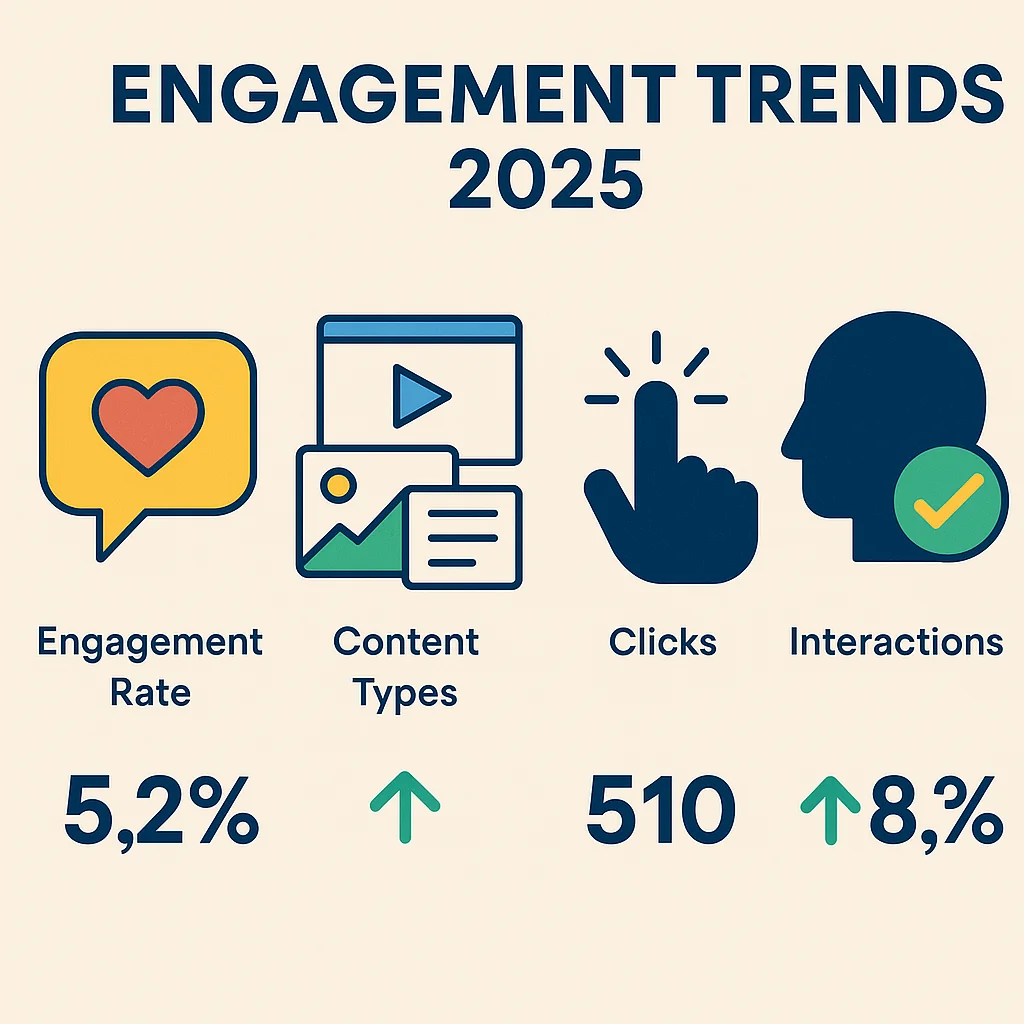
    Infographic displaying key engagement metrics and trends for social media in 2025, including engagement rates and content types.

    Engagement Rates Across Platforms

    The social media engagement metrics in 2025 reveal diverse patterns across different platforms. For instance, Instagram continues to lead with high engagement rates, particularly in visual content. TikTok follows closely, with its short-form videos driving significant interaction. On the other hand, platforms like Facebook and Twitter are seeing steady engagement rates, although they are more reliant on textual and link-based content.

    Most Engaging Content Types

    Understanding the types of content that resonate most with users is essential. In 2025, video content remains the king of engagement. Short-form videos, as seen on TikTok and Instagram Reels, captivate audiences and encourage shares and comments. Additionally, interactive content such as polls, quizzes, and live streams are proving to be highly engaging. Influencers and brands are leveraging tools like TikTok Creator Search Insights to boost engagement by identifying trending topics and popular creators.

    Trends in User Interactions

    Several notable trends are emerging in user interactions on social media. One significant trend is the rise of ephemeral content—stories and temporary posts that disappear after a short period. This type of content creates a sense of urgency and exclusivity, prompting users to engage quickly. Another trend is the growing importance of user-generated content (UGC), which fosters community and authenticity. Brands are increasingly encouraging their followers to create and share content related to their products.

    For a deeper dive into these metrics, you can explore comprehensive research on social media engagement metrics.

    As we continue to navigate the evolving landscape of social media, staying informed about these engagement trends is vital for success. In the next section, we will explore the impact of AI and emerging technologies on social media, offering insights into how these innovations are transforming the way we connect and interact online.

    As we delve deeper into the key engagement metrics and trends, it’s essential to acknowledge the transformative role that artificial intelligence (AI) and emerging technologies are playing in the social media landscape. The integration of AI in social media is reshaping how content is curated, while new technologies are continuously emerging to redefine user experiences.

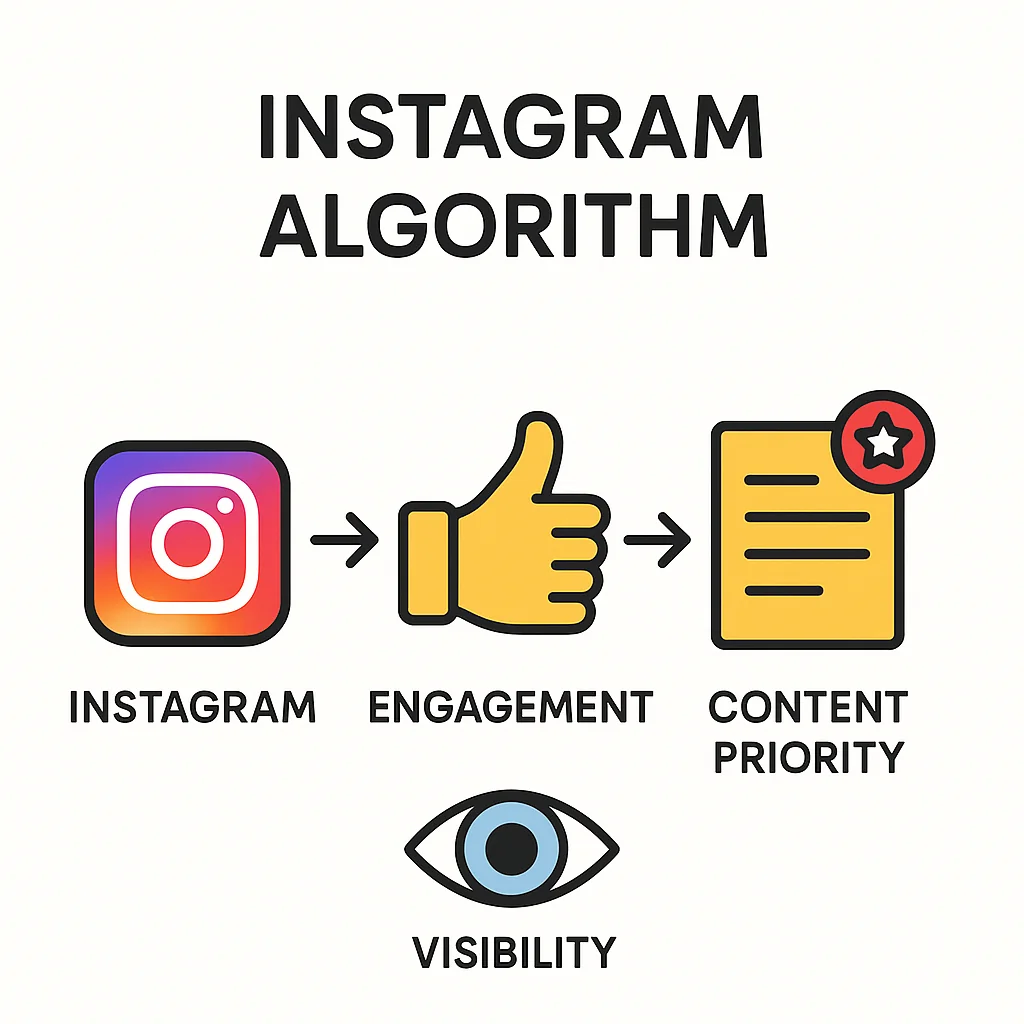
    Image showing AI and emerging technologies like VR and AR shaping social media, with a robotic hand interacting with a holographic interface.
    Role of AI in Content Curation

    AI in social media has revolutionized content curation by enabling platforms to deliver personalized content to users. Machine learning algorithms analyze user behavior, preferences, and interactions to suggest relevant posts, videos, and advertisements. This not only enhances user engagement but also boosts the overall user experience by presenting content that aligns with individual interests.

    For instance, AI-driven recommendation engines on platforms like Facebook and Instagram tailor the feed based on what users have previously liked or interacted with. Similarly, TikTok’s ability to present viral content is largely driven by its sophisticated AI algorithms. Stay ahead of trends by learning how to find trending TikTok sounds.

    Emerging Technologies Shaping Social Media

    Beyond AI, several other emerging technologies are making significant impacts on social media. Augmented Reality (AR) and Virtual Reality (VR) are creating immersive experiences that allow users to engage with content in novel ways. AR filters on Snapchat and Instagram, for example, have become immensely popular among users for enhancing photos and videos.

    Moreover, blockchain technology is starting to influence social media by offering decentralized platforms that prioritize user privacy and content ownership. These innovations ensure that users have more control over their data and how it is monetized, fostering a more transparent and equitable social media ecosystem.

    Future Predictions

    Looking ahead, the fusion of AI and emerging technologies in social media is expected to grow even more profound. Predictive analytics will likely become more advanced, enabling platforms to anticipate user needs and preferences with greater accuracy. Additionally, the rise of the metaverse—a collective virtual shared space—will further integrate social media with AR and VR, offering more interactive and engaging experiences.

    For a more detailed exploration of AI’s impact on social media, you can visit this comprehensive article.

    As we continue to observe these advancements, it’s clear that staying informed and adaptable is crucial for both users and marketers. By leveraging these technologies effectively, one can navigate the ever-evolving social media landscape with confidence.

    As we move from exploring the transformative impact of AI and emerging technologies on social media, it’s crucial to understand how these advancements translate into actionable strategies. To effectively leverage the evolving landscape in 2025, businesses of all sizes can benefit from established best practices and insightful case studies showcasing successful social media campaigns.

    Illustration of successful social media campaigns for various business sizes, including campaign graphs and business icons.

    Case Studies of Successful Campaigns

    One notable example is the recent campaign by a global fashion brand that utilized AI-driven analytics to tailor their content strategy. By analyzing user behavior and preferences, they were able to produce highly engaging and personalized content, resulting in a 30% increase in engagement rates. For a detailed analysis of how strategic social media initiatives can drive success, refer to this case study on successful social media strategy.

    Another compelling case is a local coffee shop that leveraged TikTok Creator Search Insights for innovative campaign ideas. By collaborating with popular local influencers, they saw a significant boost in foot traffic and online orders, demonstrating the power of influencer partnerships in social media strategy 2025.

  • Best Time to Post on Facebook: Ultimate Guide for Marketers

    Best Time to Post on Facebook: Ultimate Guide for Marketers

    Understanding the importance of post timing on Facebook is crucial for marketers looking to maximize their reach and engagement. The dynamics of social media platforms mean that when you post can be just as important as what you post. This guide aims to provide a comprehensive overview of the best times to post on Facebook, offering both general insights and industry-specific recommendations.

    In the following sections, we will dive into general insights on the best times to post on Facebook. We’ll explore how timing can impact visibility and engagement, and provide data-driven suggestions to help you optimize your posting schedule. Additionally, we will break down optimal post times on a day-by-day basis, ensuring you have actionable takeaways for each day of the week.

    Moreover, we recognize that different industries may see varying results based on their audience habits. Therefore, this guide will also cover industry-specific recommendations to help tailor your strategy according to your niche. By leveraging these insights, you can enhance your social media marketing efforts and achieve better results on Facebook.

    Building on our ultimate guide for marketers, it’s crucial to understand why timing plays a pivotal role in Facebook marketing. Let’s delve into the dynamics of Facebook post timing and its impact on your social media strategy.

    Illustration of a clock with Facebook's logo, highlighting the importance of post timing for engagement.

    The Role of Facebook’s Algorithm

    Facebook’s algorithm is designed to prioritize content that is most likely to engage users. When you post on Facebook, the algorithm evaluates your content based on various factors, such as the number of interactions it receives shortly after posting. Therefore, posting at the best time to post on Facebook is essential to maximize visibility. If your followers are online and active, your posts are more likely to receive immediate engagement, signaling to the algorithm that your content is valuable and should be shown to more people.

    Impact on Engagement and Reach

    The timing of your posts significantly affects Facebook engagement. Posting when your audience is most active can lead to higher likes, comments, and shares. This increased engagement not only boosts the visibility of your current post but can also enhance the reach of future posts. Consistent high engagement tells Facebook’s algorithm that your content is worth promoting, thereby expanding your overall reach.

    For instance, when discussing core concepts, we can reference our guide to related topics, which illustrates the importance of understanding platform-specific algorithms. Additionally, a high-quality study on Facebook’s algorithm provides deeper insights into how these mechanisms work, further highlighting the critical nature of timing in your posting strategy.

    Building on our understanding of Facebook post timing, it’s crucial to dive deeper into why timing matters on this platform. By grasping the nuances of audience behavior and identifying peak activity times, you can significantly enhance the effectiveness of your social media marketing efforts.

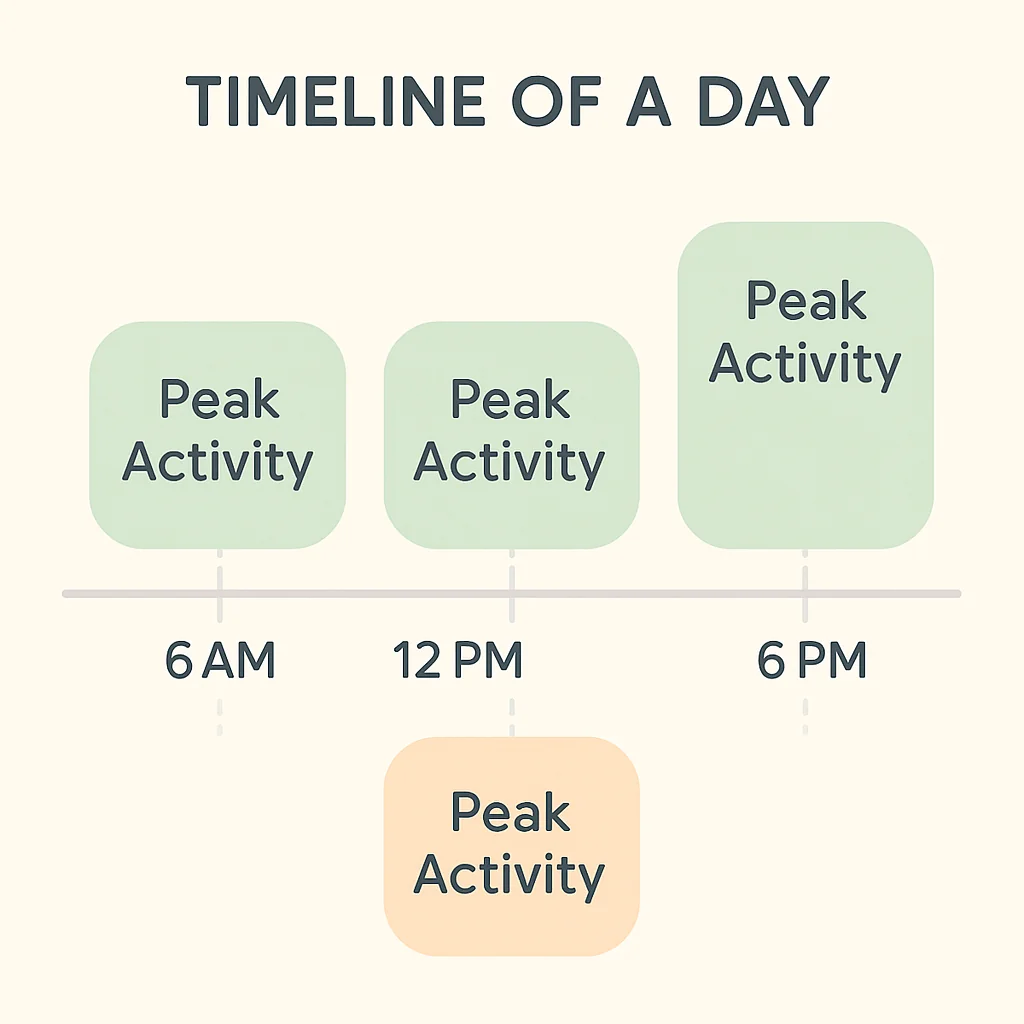
    Infographic showing peak activity times on Facebook, emphasizing the importance of post timing.

    Understanding Audience Behavior

    Your audience’s behavior is a pivotal factor in determining the best time to post on Facebook. Users have distinct patterns of activity, influenced by factors such as daily routines, work schedules, and time zones. For instance, many users check their feeds during breaks or commutes, providing key windows for increased engagement.

    Analyzing your audience’s behavior helps you tailor your content delivery to their activity peaks. This data-driven approach ensures that your posts are seen when your audience is most active, boosting visibility and interaction.

    Peak Activity Times on Facebook

    Facebook’s vast user base means that activity peaks can vary widely. However, studies have identified general trends in user behavior. For example, research on user behavior patterns on Facebook indicates that weekdays, particularly Wednesday and Thursday, see higher engagement rates. Specific times, such as mid-morning and early evening, also tend to be optimal for posting.

    By posting during these peak times, you can capitalize on the natural ebb and flow of user activity. This strategy not only increases the likelihood of your content being seen but also enhances the chances of receiving likes, comments, and shares. Consistently leveraging these optimal times can lead to more meaningful interactions and a broader reach for your posts.

    For strategies to grow your social media following, check out our Pinterest guide. Understanding the best time to post on Facebook is an essential piece of the puzzle in your overall social media marketing strategy. By aligning your posting schedule with your audience’s behavior and the platform’s peak times, you can maximize your content’s impact and engagement.

    Following the discussion on why timing is crucial for Facebook engagement, let’s delve into specific insights on the best times to post on Facebook. Understanding these optimal times can significantly enhance your Facebook marketing strategies.

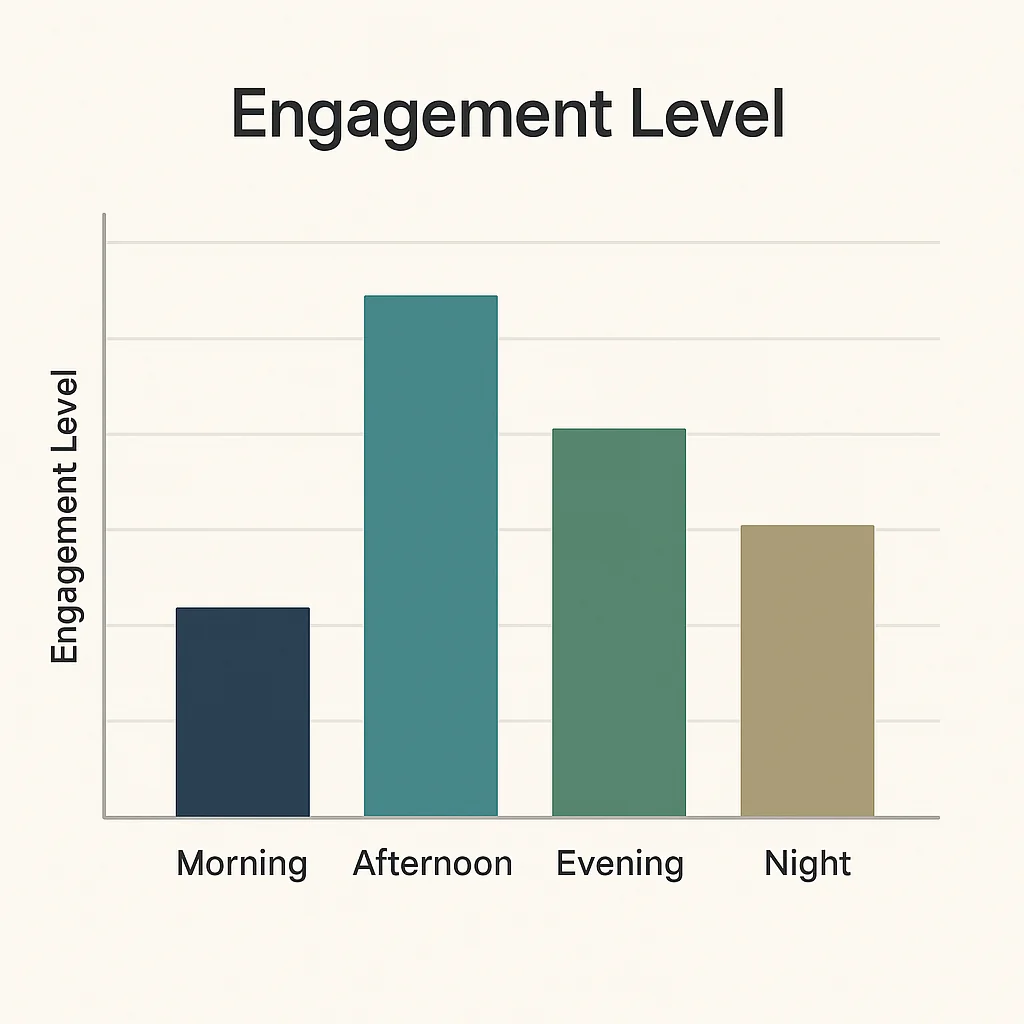
    Chart illustrating the best times to post on Facebook based on engagement levels.

    Optimal Posting Times Based on Studies

    Various studies have aimed to pinpoint the best time to post on Facebook. According to a high-quality study on optimal social media posting times, the general consensus is that the best engagement rates occur mid-week, particularly on Wednesdays. More specifically, posts made between 11 AM and 1 PM tend to perform the best. This time frame aligns with users taking lunch breaks and having a moment to check their feeds.

    Another noteworthy observation from these studies is that weekends, especially Saturday mornings, also show promising engagement rates. Users tend to have more free time on weekends to browse social media, making it a prime opportunity for your posts to gain visibility.

    General Trends Observed

    Beyond specific times, general trends indicate that the timing of your posts should align with your audience’s daily routine. For instance, early mornings and late evenings are typically less effective since users are either preparing for the day or winding down. On the contrary, mid-morning and mid-afternoon periods tend to generate higher engagement as users check their accounts during breaks.

    It’s also important to consider the time zone of your target audience. If your followers are spread across different regions, you might need to adjust your posting schedule or post multiple times to ensure maximum reach.

    These insights provide a solid foundation for optimizing your posting schedule. However, it’s crucial to remember that these are general guidelines. For tailored advice, you might explore our TikTok sound guide, which offers tips on trending content that can be adapted for Facebook.

    By strategically timing your posts, you can significantly enhance your Facebook marketing strategies, ensuring your content reaches and resonates with your audience effectively.

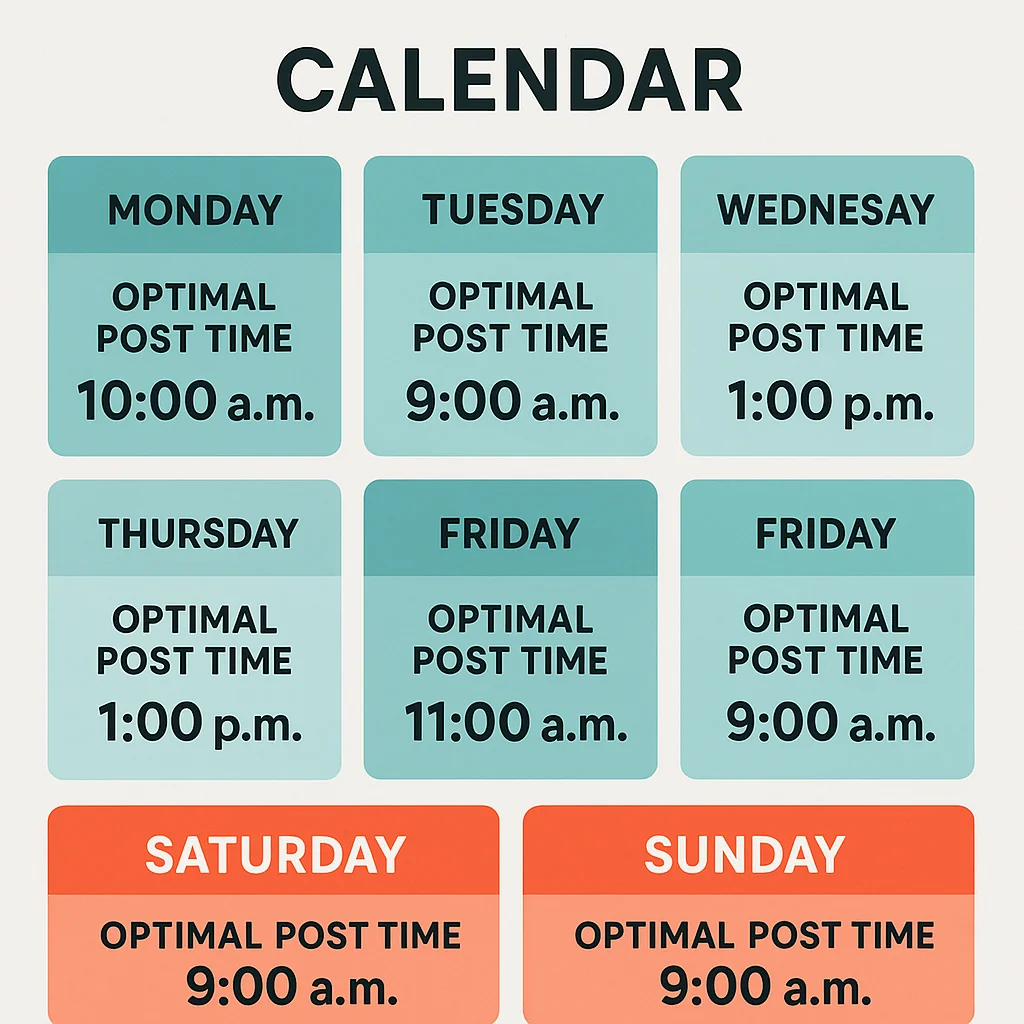
    Building on the general insights into the best times to post on Facebook, it’s crucial to dive deeper into a day-by-day analysis to fine-tune your strategy. Understanding the nuances of each day can significantly enhance your social media post timing, leading to higher engagement and visibility.

    Infographic showing a day-by-day breakdown of the best times to post on Facebook.

    Best Times for Each Day

    Each day of the week presents unique opportunities for reaching your audience. Here’s a breakdown of the optimal times to post on Facebook from Monday to Sunday:

    • Monday: Start the week strong by posting between 9 AM and 11 AM. People are catching up on their feeds right after the weekend.
    • Tuesday: Engagement tends to peak around 10 AM to 12 PM as users settle into their weekly routines.
    • Wednesday: Midweek posts perform best between 11 AM and 1 PM, a great time for capturing lunchtime readers.
    • Thursday: Similar to Wednesday, the window from 12 PM to 2 PM sees high interaction, as people look for a midweek break.
    • Friday: Posting between 1 PM and 3 PM can capitalize on the pre-weekend excitement and increased social media activity.
    • Saturday: Engagement is usually highest in the morning, from 10 AM to 12 PM, as users enjoy their weekend leisure time.
    • Sunday: For the best results, aim for the late morning to early afternoon, around 11 AM to 1 PM, when users are relaxing before the new week starts.

    Differences Between Weekdays and Weekends

    Understanding the differences between weekdays and weekends is essential for optimizing your social media post timing. During weekdays, workday mornings and lunch breaks are prime times for posting, as users check their feeds between tasks. Conversely, weekends see more engagement in the late morning as people have more free time.

    For instance, weekdays from 9 AM to 3 PM generally see consistent engagement, whereas weekends show peak activity in the morning hours. Tailoring your strategy to these patterns can enhance your reach and engagement significantly.

    For a more comprehensive analysis of daily engagement patterns, you can refer to this detailed study. Additionally, if you’re looking for trending content strategies, see our Instagram audio guide.

    By leveraging these day-by-day insights, you can create a robust posting strategy that maximizes your Facebook engagement throughout the week. Next, we will explore industry-specific recommendations to further refine your approach.

    Following the day-by-day breakdown of optimal post times, it’s important to recognize that different industries have unique patterns when it comes to audience engagement on Facebook. Understanding these nuances can significantly enhance your social media strategy.

    Illustration showing optimal Facebook posting times for different industries.

    Segmented Analysis for Various Sectors

    Each industry has its own set of optimal posting times based on the behavior and preferences of its audience. Here’s a closer look at some key sectors:

    • Retail: For the retail industry, the best time to post on Facebook is typically on weekends, when users are more likely to be shopping online. Posts made on Saturdays between 12 PM and 3 PM tend to see higher engagement.
    • Healthcare: Healthcare professionals should aim to post during weekdays, particularly in the early afternoon. Optimal times include Tuesdays and Thursdays around 1 PM to 3 PM, coinciding with post-lunch breaks when audiences are more likely to browse social media.
    • Technology: In the tech industry, the best times to post are during weekday mornings, from 9 AM to 11 AM. This timeframe aligns with the start of the business day, when tech enthusiasts are catching up on the latest news and updates.
    • Education: Educational institutions and edtech companies find the most success posting on weekdays, especially between 10 AM and 1 PM. Engagement peaks during lunch breaks and early afternoon when students and educators have free time.
    • Hospitality: For the hospitality sector, Fridays and weekends prove to be the most effective. Posting between 11 AM and 1 PM on these days can attract more engagement as people plan their leisure activities.

    How Industry Affects Optimal Times

    The industry you operate in significantly influences the best time to post on Facebook. This is due to varying user habits and the nature of the content being consumed. For example, a B2B tech company may find that their audience is most active during weekday mornings, while a B2C retail brand sees higher engagement during weekends. Tailoring your posting schedule based on industry-specific trends can lead to more effective and targeted Facebook engagement.

    For industry-specific insights, explore our TikTok creator search guide. Additionally, this study on industry-specific social media trends provides valuable data-driven insights into how different sectors perform on social media platforms.

    By understanding and leveraging these industry-specific recommendations, you can optimize your social media strategy and maximize your Facebook engagement. For more Facebook engagement tips, continue reading as we delve into tools and tips for finding your best post times.

    Following our deep dive into industry-specific recommendations, it’s essential to equip yourself with reliable tools and strategies to pinpoint the best time to post on Facebook. Leveraging the right resources can significantly enhance your Facebook marketing strategies, ensuring your content reaches the peak audience engagement moments.

    Infographic showing various tools and tips for finding the best times to post on Facebook.

    Recommended Tools

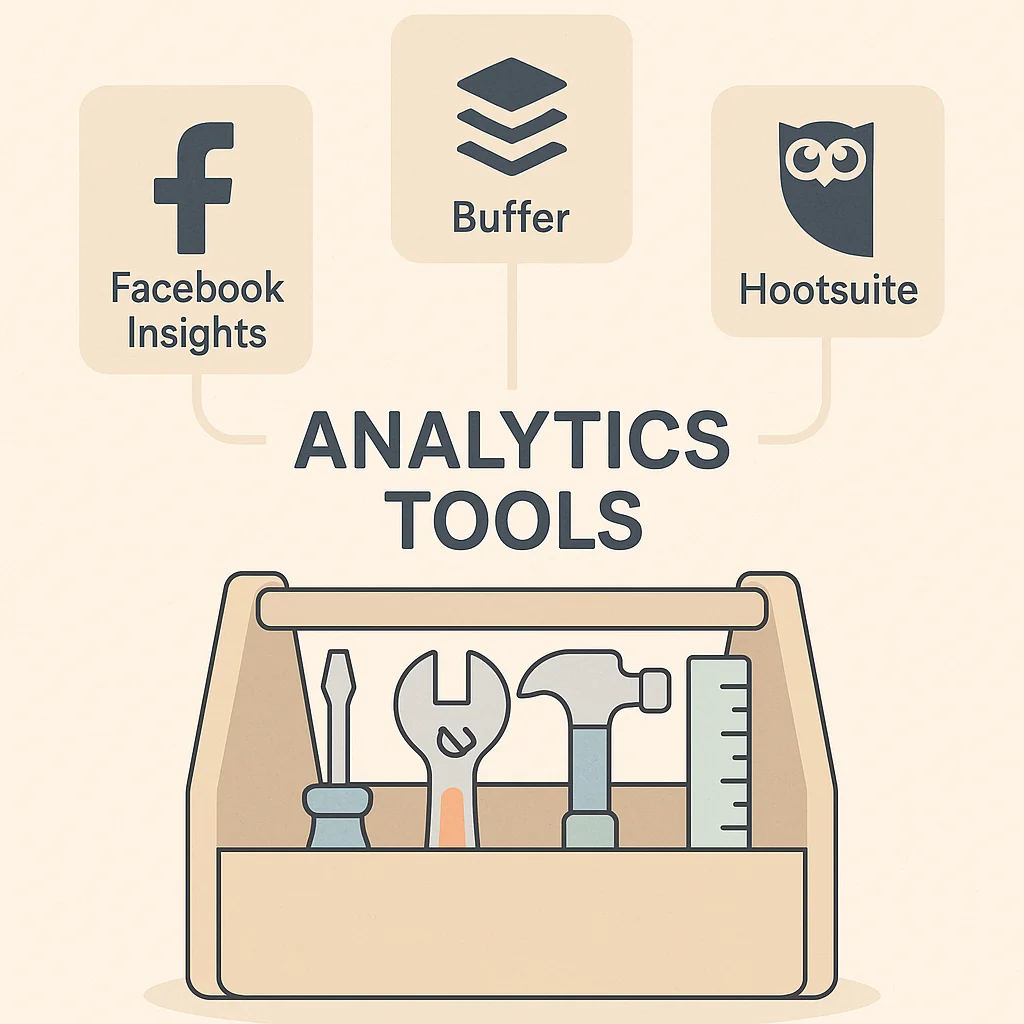
    To determine the best time to post on Facebook, several tools can offer invaluable insights:

    • Hootsuite: This comprehensive tool not only helps schedule posts but also provides detailed analytics to understand when your audience is most active. Learn more about Hootsuite here.
    • Sprout Social: Known for its robust reporting features, Sprout Social can help you track engagement metrics and identify optimal posting times.
    • Buffer: Buffer’s analytics can guide you in finding the best times to post by showing when your audience is most engaged with your content.

    Tips for Analyzing Your Data

    Once you have these tools at your disposal, the next step is to analyze the data they provide effectively:

    • Monitor Engagement Metrics: Regularly check metrics like likes, comments, and shares to see which times yield the highest engagement.
    • Compare Different Timeframes: Experiment with posting at various times and compare performance across these periods to identify patterns.
    • Utilize Facebook Insights: Facebook’s built-in analytics tool is a goldmine for understanding your audience’s online behavior. Focus on the ‘Posts’ section to see when your fans are online.
    • Consider Time Zones: If your audience is spread across different regions, make sure to account for their respective time zones when scheduling posts.

    For more tips on growing your audience, check out our Pinterest follower guide.

    By leveraging these tools and tips, you’ll be well on your way to mastering Facebook marketing strategies and ensuring your content gets the visibility it deserves. Stay tuned as we explore real-world examples and case studies in the next section.

    Following our discussion on tools and tips for finding your best post times, let’s delve into some real-world examples that illustrate the impact of posting at optimal times. Examining case studies from various industries can provide a wealth of insights and actionable lessons.

  • Reach vs Impressions vs Engagement: Clear Definitions & When Each Metric Matters

    Reach vs Impressions vs Engagement: Clear Definitions & When Each Metric Matters

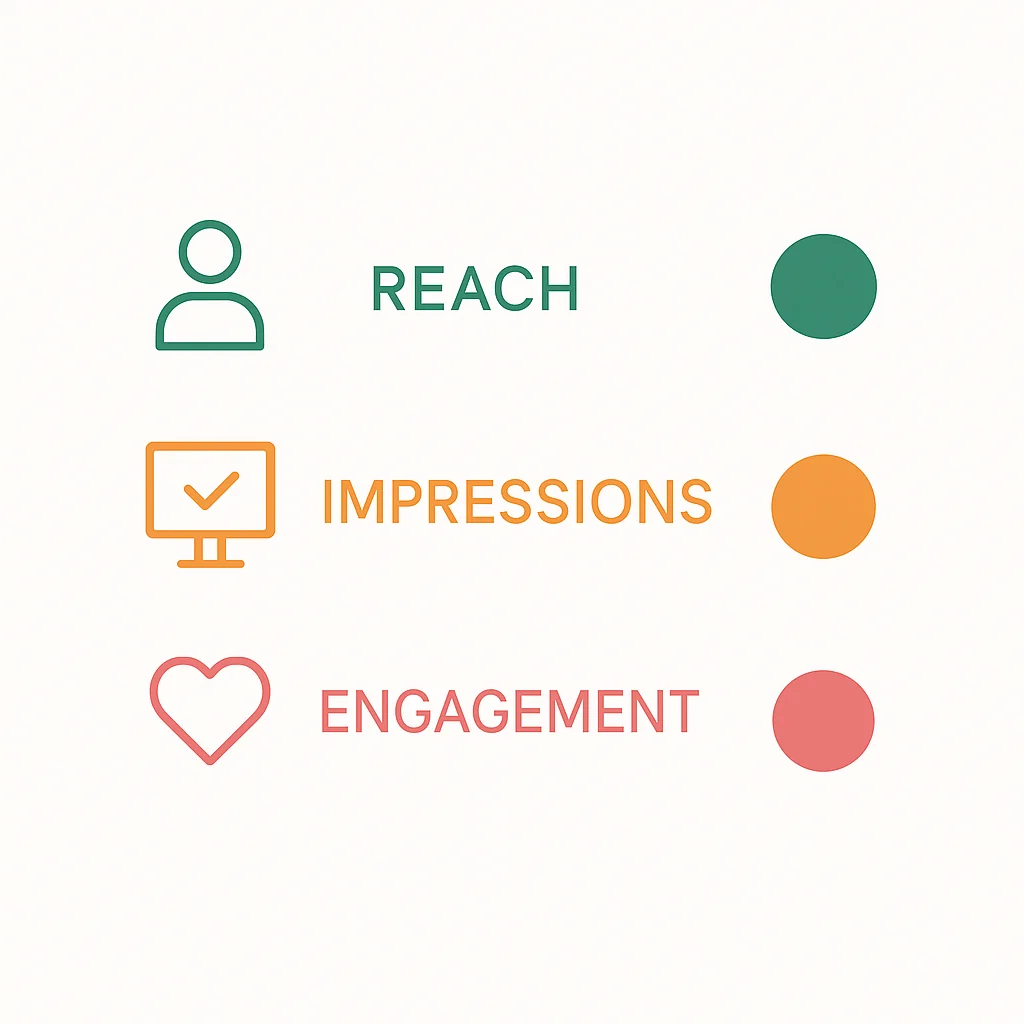
    Understanding the nuances between reach, impressions, and engagement is crucial for mastering social media metrics. Let’s delve into each of these terms to grasp their unique roles and importance.

    Reach refers to the total number of unique users who have seen your content. It’s a measure of your content’s potential audience and provides insight into how far your message is spreading.

    Impressions indicate how many times your content is displayed, regardless of whether it was clicked or not. This metric can show the frequency with which your audience is exposed to your message.

    Engagement encompasses all the interactions people have with your content, such as likes, comments, shares, and clicks. It reflects how compelling and interactive your content is to your audience.

    The differences between these metrics are subtle but significant. Reach measures unique views, impressions count total views, and engagement captures user interaction. Understanding when to prioritize each metric depends on your goals. If you’re building brand awareness, focus on reach. For measuring content visibility, track impressions. To gauge audience interaction, engagement is key.

    By accurately interpreting these metrics, you can fine-tune your social media strategy to achieve your desired outcomes more effectively.

    Diving into social media metrics is essential for crafting a robust marketing strategy. Understanding how these metrics interplay can help businesses better allocate resources and refine their tactics. This section will provide an overview of three key metrics that are critical to any social media analysis: reach, impressions, and engagement.

    Illustration of social media icons and graphs representing reach, impressions, and engagement metrics.

    Social media metrics serve as the backbone of any successful marketing strategy. They allow marketers to gauge the effectiveness of their campaigns, understand their audience, and make data-driven decisions. Among the myriad of metrics available, three stand out as particularly vital: reach, impressions, and engagement.

    Reach refers to the total number of unique users who have seen your content. It is a crucial metric for understanding the size of the audience your content is exposed to. High reach indicates that your content has been seen by a large number of people, which can be especially important for brand awareness campaigns.

    Impressions count the total number of times your content has been displayed, regardless of whether it was clicked on or not. This metric helps gauge the frequency of exposure and can be higher than reach since one user might see the same content multiple times.

    Engagement measures the interactions that users have with your content, such as likes, comments, shares, and clicks. High engagement often signifies that your content resonates well with your audience, prompting them to take action.

    These metrics each play a distinct role in shaping your social media marketing strategy. By understanding and utilizing these metrics effectively, businesses can tailor their content to better meet their objectives, whether it’s increasing brand awareness, driving traffic, or fostering a loyal customer base.

    For a deeper dive into the impact of social media metrics on marketing success, you can explore this high-quality study. This research provides valuable insights into how these metrics can influence marketing outcomes and overall business success.

    Transitioning from our introduction to social media metrics, it’s essential to understand the fundamental components of these metrics: reach, impressions, and engagement. Each of these plays a pivotal role in measuring your social media performance and can guide your strategy effectively.

    Infographic defining reach, impressions, and engagement with icons and brief descriptions.

    Definition of Reach

    Reach refers to the total number of unique users who have seen your content. This metric helps you understand the potential audience size your content is exposed to. It’s particularly important for brand awareness campaigns where the goal is to introduce your brand to as many people as possible.

    Definition of Impressions

    Impressions represent the total number of times your content is displayed, regardless of whether it was clicked or not. Unlike reach, impressions can count multiple views from the same user. This metric is crucial for understanding how often your content is being shown and can indicate the level of visibility your posts have.

    Definition of Engagement

    Engagement measures the interactions users have with your content, including likes, comments, shares, and clicks. Engagement is a key indicator of how well your content resonates with your audience and prompts them to take action. High engagement rates often mean that your content is compelling and relevant to your audience.

    Importance of Each Metric

    Each of these metrics—reach, impressions, and engagement—serves a different purpose in your social media strategy:

    • Reach helps you gauge the breadth of your audience.
    • Impressions provide insights into the visibility and frequency of your content.
    • Engagement reveals the depth of interaction and user interest in your posts.

    Understanding these metrics in detail allows you to tailor your content and strategies to better meet your marketing goals. For a deeper dive into the significance of these metrics, you can refer to this authoritative article defining social media metrics.

    Additionally, understanding different account types can also impact your metrics. Learn more about TikTok business vs creator accounts to see how your account type might influence reach, impressions, and engagement.

    Now that we’ve defined reach, impressions, and engagement, it’s crucial to understand the differences between reach, impressions, and engagement to effectively analyze and utilize these metrics for your social media strategy.

    Chart comparing reach, impressions, and engagement with visual examples to illustrate the differences.

    How Reach Differs from Impressions

    Reach represents the total number of unique users who have seen your content. This metric is essential for understanding the breadth of your audience. In contrast, impressions measure the total number of times your content is displayed, regardless of whether it was clicked or not. This means a single piece of content can generate multiple impressions from the same user. The difference between reach and impressions lies in the fact that reach focuses on unique views, while impressions count every instance of content display.

    Engagement vs Reach and Impressions

    Engagement is distinct from both reach and impressions as it measures the interactions with your content, such as likes, comments, shares, and clicks. While reach and impressions give you an idea of how widely your content is seen, engagement tells you how actively your audience is interacting with it. This metric is crucial for gauging the effectiveness and resonance of your content.

    Examples to Illustrate Differences

    • Reach Example: If 1,000 unique users see your Instagram post, your reach is 1,000.
    • Impressions Example: If those 1,000 users see the post multiple times, resulting in a total of 3,000 views, your impressions are 3,000.
    • Engagement Example: If that post receives 200 likes, 50 comments, and 30 shares, these interactions constitute your engagement.

    Understanding these differences is vital for tailoring your social media strategies. For more insights on optimizing your content, explore our article on using TikTok creator search. Additionally, for a detailed comparison of social media metrics, refer to this comprehensive study.

    Understanding the differences between reach, impressions, and engagement allows you to strategically focus on the right metric at the right time. But how do you determine when to prioritize each one? Let’s delve into various scenarios to clarify this.

    Illustration of different scenarios prioritizing reach, impressions, and engagement in social media strategy.

    When to Prioritize Reach

    Reach is crucial when you want to expand your brand’s visibility and awareness. For instance, launching a new product or entering a new market are scenarios where you should focus on maximizing reach. By ensuring that your content is seen by as many unique users as possible, you lay the groundwork for further interactions.

    When to Prioritize Impressions

    Impressions become important when the goal is to reinforce your message or brand. If you are running a retargeting campaign, higher impressions can help keep your brand top of mind for potential customers. The more times your content appears before users, the more likely they are to remember and engage with your brand down the line.

    When to Prioritize Engagement

    Engagement is key when you aim to build a community or foster interactions. This metric is particularly important in scenarios such as running a contest, seeking user-generated content, or encouraging feedback and reviews. For comprehensive insights on trends that can impact your metrics, learn how to find trending TikTok sounds.

    Aligning Metrics with Marketing Goals

    Each of these metrics aligns with different marketing goals. Understanding when to prioritize reach, impressions, or engagement can significantly impact your campaign’s success. Align your focus based on your specific objectives:

    • Brand Awareness: Prioritize reach to maximize visibility.
    • Brand Recall: Focus on impressions to reinforce your message.
    • Community Building: Engage with your audience to foster loyalty and interaction.

    For real-world examples of how different metrics can be prioritized, check out these case studies on prioritizing different metrics.

    By strategically aligning your metrics with your marketing goals, you can create campaigns that not only reach your audience but also engage them in meaningful ways.

    Understanding when to focus on each metric is essential, but knowing how to actively improve these metrics can make a significant impact on your social media strategy. Let’s dive into actionable strategies to enhance your reach, impressions, and engagement.

    Infographic with tips to improve reach, boost impressions, and enhance engagement on social media.

    Tips to Increase Reach

    To improve social media reach, consider the following strategies:

    • Post Consistently: Regular posting keeps your audience engaged and helps increase visibility.
    • Collaborate with Influencers: Partnering with influencers can expose your content to a broader audience.
    • Utilize Hashtags: Effective use of hashtags can make your content discoverable to users interested in similar topics.
    • Leverage Trending Content: Using trending audio can also enhance your reach and engagement. Learn more here.

    Strategies to Boost Impressions

    Boosting impressions ensures that your content is seen by as many people as possible. Here are some strategies to help:

    • Optimize Post Timing: Share your content when your audience is most active.
    • Invest in Paid Advertising: Promote your posts to reach a larger audience quickly.
    • Enhance Visual Appeal: Eye-catching visuals and videos can attract more views.
    • Engage with Followers: Responding to comments and messages can increase visibility as engagement drives more impressions.

    Ways to Enhance Engagement

    Boost engagement with these effective techniques:

    • Ask Questions: Encourage your audience to interact by asking questions in your posts.
    • Run Contests and Giveaways: These can generate excitement and prompt users to engage with your content.
    • Share User-Generated Content: Featuring content created by your followers can foster a sense of community.
    • Utilize Interactive Elements: Polls, quizzes, and interactive posts can significantly boost engagement.

    Tools and Resources to Track and Improve Metrics

    Using the right tools can make tracking and improving your social media metrics much easier. For comprehensive social media analytics tools, check out this resource.

    By implementing these strategies and utilizing the right tools, you can effectively improve social media reach, boost engagement, and track your progress toward achieving your social media goals.

    After exploring various strategies to improve reach, impressions, and engagement, it’s essential to see how these metrics play out in real-world scenarios. Case studies provide concrete examples that illustrate the successful application of these strategies and the lessons learned from each.

    Marketer presenting case studies on social media metrics to a team, with charts and graphs on a large screen.

    Case Study 1: Successful Use of Reach

    In this first case study, we look at a brand that utilized strategic partnerships and influencer collaborations to broaden its reach. By partnering with influencers who resonate with their target audience, the brand significantly increased its visibility. This approach not only expanded their reach but also brought new followers, leading to a substantial growth in their social media presence.

    The key takeaway from this case study is the importance of aligning with influencers whose audience mirrors your target demographic. This alignment ensures that the expanded reach is both meaningful and effective.

    Case Study 2: Maximizing Impressions

    Our second case study focuses on a company that optimized its content scheduling to maximize impressions. By analyzing their audience’s online activity patterns, the company scheduled posts during peak times, ensuring maximum visibility. Additionally, they leveraged paid advertising to further increase the number of impressions their posts received.

    This strategy resulted in a notable increase in impressions, demonstrating the power of timing and targeted advertising. The lesson here is to understand your audience’s behavior and use that knowledge to optimize content delivery.

    Case Study 3: Boosting Engagement

    The third case study examines a brand that enhanced engagement through interactive content. By incorporating quizzes, polls, and infographics into their posts, the brand encouraged more interactions from their audience. This engagement-driven approach not only increased likes and comments but also fostered a deeper connection with followers.

    From this case study, we learn that interactive elements can significantly boost engagement by making content more appealing and participatory. It’s a reminder that engagement is not just about the number of interactions but the quality of those interactions.

    Learn from real-world examples in our guide on gaining Pinterest followers.

    For more detailed case studies on social media metrics, visit Hootsuite.

    These case studies highlight the practical application of strategies to improve reach, impressions, and engagement. By analyzing these real-world examples, brands can gain valuable insights and apply similar tactics to achieve their social media goals.

    In summary, understanding the clear definitions of reach, impressions, and engagement is crucial for any social media strategy. Each metric serves a unique purpose and knowing when to prioritize each can significantly enhance your social media performance. By implementing targeted strategies to improve these metrics, you can drive better results and achieve your marketing goals.

  • How to Create Viral Instagram Reels: Ultimate Guide

    How to Create Viral Instagram Reels: Ultimate Guide

    Creating viral Instagram Reels requires a blend of creativity, strategy, and understanding of the platform’s mechanics. To get started, it’s crucial to grasp the nuances of the Instagram algorithm. This algorithm plays a significant role in determining which Reels get featured and gain traction. By understanding its intricacies, you can tailor your content to increase visibility and engagement.

    Next, finding and using trending audio is a key component in making your Reels stand out. Popular audio tracks can significantly boost your content’s discoverability, as users often search for Reels featuring specific songs or sounds. Keep an eye on the trending section and incorporate these audio elements into your videos to tap into wider audiences.

    Creating high-quality, engaging content is at the heart of any viral Reel. Focus on delivering visually appealing videos with a clear message or theme. Consider incorporating interactive questions or call-to-action prompts to engage your audience actively. Visual storytelling, such as showing a step-by-step process or a transformation, can captivate viewers and encourage them to share your content.

    Finally, to maximize reach and potential monetization, leverage Instagram’s features and analytics. Analyze your Reels’ performance to understand what resonates with your audience and adjust your strategy accordingly. By consistently producing engaging and trendy content, you’ll not only increase your reach but also open up opportunities for monetization through brand partnerships and sponsored content.

    In the quest to understand How to Create Viral Instagram Reels, it’s crucial to comprehend how the Instagram algorithm functions. This algorithm plays a pivotal role in determining the visibility and reach of your Reels on the platform.

    Infographic explaining the Instagram algorithm and how it affects the visibility of Reels.

    How the Algorithm Prioritizes Content

    The Instagram algorithm prioritizes content based on user engagement. This means that Reels with higher engagement rates—such as likes, comments, shares, and saves—are more likely to be promoted by the algorithm. The algorithm also considers the user’s interaction history, meaning that if viewers frequently engage with your content, your Reels are more likely to appear in their feed.

    Factors That Influence Reel Visibility

    Several factors influence the visibility of your Reels:

    • Engagement Rates: High engagement rates signal to the algorithm that your content is valuable.
    • Relevance: The algorithm assesses how relevant your content is to each user based on their past interactions.
    • Timeliness: Posting your Reels when your audience is most active can boost visibility.
    • Consistency: Regularly posting content helps keep you in the algorithm’s favor.

    Tips for Optimizing Reels to Align with the Algorithm

    To ensure your Reels align with the Instagram algorithm, consider the following tips:

    • Create High-Quality Content: Focus on producing clear, engaging, and visually appealing Reels.
    • Encourage Engagement: Prompt your audience to like, comment, and share your Reels. Ask interactive questions or include call-to-action prompts.
    • Utilize Trending Audio: Leverage popular sounds and music to increase your Reels’ chances of being featured prominently.
    • Use Relevant Hashtags: Incorporate trending and relevant hashtags to enhance discoverability.

    By understanding and leveraging the Instagram algorithm, you can significantly improve the reach and impact of your Reels. For more insights on growing your social media presence, check out our guide on getting more followers across different platforms.

    Building on your understanding of the Instagram algorithm, leveraging trending audio for Instagram Reels can significantly boost your reach and engagement. Let’s explore why trending audio is crucial and how you can effectively incorporate it into your Reels.

    Illustration of a person selecting trending audio for Instagram Reels on a smartphone.

    The Importance of Trending Audio

    Using trending audio for Instagram Reels can instantly make your content more discoverable. The Instagram algorithm tends to favor Reels that use popular sounds, pushing them to a larger audience. This can lead to increased views, likes, and shares, ultimately growing your follower base.

    Sources for Finding Trending Audio

    Identifying trending audio can be straightforward if you know where to look:

    • Explore Tab: The Explore tab on Instagram is a goldmine for discovering popular audio clips. Pay attention to Reels with high engagement.
    • Follow Influencers: Influencers often use trending audio early on. Keeping an eye on their content can give you a head start.
    • Dedicated Platforms: For a detailed guide on finding trending audio, check out our dedicated article.
    • Spotify Playlists: Platforms like Spotify often curate playlists featuring current trending audio. For instance, you can explore the current top trending audio on Instagram.

    Tips for Incorporating Trending Audio Effectively

    Here are some Instagram Reels tips to make the most of trending audio:

    • Be Authentic: Ensure the audio you choose aligns with your brand and message. Authenticity resonates well with audiences.
    • Timing Matters: Jump on trends early. The sooner you use trending audio, the higher the chances of your Reel going viral.
    • Engage with Creativity: Use the audio in a unique or unexpected way to stand out from the crowd.
    • Consistency: Regularly update your content with new trending audio to keep your audience engaged.

    By strategically incorporating trending audio into your Reels, you can not only enhance your content but also boost its visibility. Ready to dive deeper into creating high-quality, engaging Reels? Let’s move on to the next section!

    Once you have found the perfect trending audio for your Instagram Reel, the next step is to focus on creating high-quality, engaging content that will captivate your audience and potentially go viral. Here are some best practices and tips to help you create standout Reels.

    A content creator filming a high-quality and engaging Instagram Reel with professional equipment.

    Best Practices for Filming and Editing

    To create high-quality content, start with filming in good lighting and using a stable camera. Natural light is ideal, but if you are filming indoors, consider using ring lights or softbox lights. Keep your shots steady by using a tripod or a stabilizer. When it comes to editing, use tools that allow you to trim, cut, and merge clips seamlessly. For high-quality video editing tools, check out these recommendations.

    Creative Content Ideas

    Creativity is key when it comes to making your Reels stand out. Consider creating content around popular challenges, tutorials, behind-the-scenes looks, or user-generated content. Interactive questions and call-to-action prompts can also engage your audience effectively. Always aim to tell a story or convey a message that resonates with your viewers. For additional tips on content creation, explore our comparison of business vs. creator accounts.

    Using Effects and Transitions Effectively

    Effects and transitions can add a professional touch to your Instagram Reels, making them more engaging and fun to watch. However, it’s important not to overuse them. Stick to a few consistent effects and transitions to maintain a cohesive look. Utilize Instagram’s built-in effects to enhance your content without overwhelming it. Remember, the goal is to complement your footage and keep the focus on the story you are telling.

    By following these tips, you’ll be well on your way to mastering How to Create Viral Instagram Reels. Stay tuned for our next section where we will dive into strategies for maximizing reach and engagement.

    Now that you’ve mastered creating high-quality, engaging Reels, let’s delve into some effective strategies for maximizing reach and engagement. Implementing these tips can significantly enhance the visibility and interaction of your Instagram Reels.

    Infographic detailing strategies to maximize reach and engagement for Instagram Reels.

    Optimal Posting Times

    Timing is crucial when it comes to posting your Instagram Reels. To maximize reach, aim to post during peak times when your audience is most active. Generally, the best times to post are early mornings, lunch hours, and evenings. Utilize Instagram’s Insights to identify when your followers are online and tailor your posting schedule accordingly.

    Engaging with Your Audience

    Engagement is a two-way street. To foster a loyal community around your content, actively interact with your audience. Respond to comments, ask questions, and encourage viewers to share their thoughts. For insights on maximizing engagement, see our article on using creator search insights. This not only builds rapport but also signals to the Instagram algorithm that your content is valuable, thus boosting its visibility.

    Utilizing Hashtags and Captions Effectively

    Hashtags and captions play a vital role in increasing the discoverability of your Reels. Use relevant hashtags that resonate with your content and audience. Opt for a mix of popular and niche hashtags to reach a broader yet targeted group. Your captions should be engaging and prompt interaction. Ask questions or include call-to-action prompts to encourage viewers to like, comment, and share your Reels.

    For inspiration and real-world examples, check out these case studies of successful Instagram Reels. Analyzing these can provide valuable insights into effective Instagram Reels strategy and engagement strategies.

    By optimizing posting times, engaging with your audience, and utilizing hashtags and captions effectively, you’ll be well on your way to maximizing the reach and engagement of your Instagram Reels.

    After successfully implementing strategies to maximize reach and engagement on your Instagram Reels, the next crucial step is to explore monetization opportunities. Turning your creative efforts into income not only provides financial rewards but also encourages continuous improvement and innovation.

    Different Monetization Strategies

    There are several ways to start monetizing Reels. One popular approach is using Instagram’s bonuses. Instagram often offers incentives for high-performing content creators, which can be an excellent way to earn money directly from the platform. Make sure to stay updated on any new bonuses or programs that Instagram introduces.

    Another effective strategy is partnering with brands. As your Reels gain traction, brands may approach you for collaborations where you promote their products or services. These partnerships can range from sponsored posts to affiliate marketing, where you earn a commission for every sale generated through your unique link.

    Eligibility for Instagram’s Bonuses

    To be eligible for Instagram’s bonuses, you need to meet certain criteria. Typically, these include having a specific number of followers, engaging content, and adherence to community guidelines. Regularly check the Instagram Help Center for the latest eligibility requirements and ensure your account is in good standing.

    Partnering with Brands

    Partnering with brands can significantly boost your income. When reaching out to potential partners, present a media kit that showcases your best-performing Reels and detailed audience insights. Demonstrating your influence and engagement can convince brands of the value you offer. Don’t forget to negotiate terms that reflect the worth of your creative work.

    For more on content strategies, check out our guide on finding trending TikTok sounds.

    Monetizing Reels effectively requires strategic planning and consistent effort. By leveraging Instagram’s bonuses and building strong brand partnerships, you can turn your passion into a profitable venture. For further insights into monetization on social media, consider this high-quality study on social media monetization.

    Ready to start monetizing Reels? Dive into these strategies and watch your Instagram presence grow both in influence and income!

    Now that we’ve delved into what makes a Reel go viral, it’s time to bring everything together. The key strategies for creating viral Reels include understanding and leveraging the Instagram algorithm, consistently using trending audio, and focusing on high-quality, engaging content. Engagement is crucial, so always aim to connect with your audience through interactive questions and call-to-action prompts.

    Remember, monetization opportunities on Instagram Reels are abundant. Whether through brand partnerships or utilizing Instagram’s monetization features, your creative efforts can translate into significant revenue streams.

    Ready to elevate your Instagram game? Start implementing these strategies today and watch your Reels transform into viral sensations, capturing the attention and admiration of audiences worldwide.

    Frequently Asked Questions

    After exploring the potential for monetization, it’s essential to understand what makes a Reel go viral. Creating engaging content is paramount. This means crafting visually appealing and entertaining videos that resonate with your audience. Utilizing trending audio can significantly boost your chances of virality, as these sounds are more likely to be favored by the Instagram algorithm.

    Another crucial factor is posting at optimal times. Understanding when your audience is most active can lead to higher visibility and interaction. Speaking of interaction, audience interaction plays a vital role. Encourage viewers to like, comment, share, and save your Reels to amplify reach and engagement.

  • How to Repost on Instagram for Brands: A Comprehensive Guide

    How to Repost on Instagram for Brands: A Comprehensive Guide

    Transitioning into the core of this guide, we’ll delve into the specifics of how to repost on Instagram effectively. Whether you’re looking to enhance your brand’s visibility or engage with your audience more dynamically, reposting is a powerful strategy when done right.

    First, let’s explore a step-by-step guide to reposting:

    1. Find the Content: Identify user-generated content (UGC) or relevant posts that align with your brand’s message.
    2. Request Permission: Always ask the original creator for permission to repost their content. This is not only courteous but also necessary for legal reasons.
    3. Use a Reposting Tool: Utilize apps like Repost for Instagram or other tools that make sharing content seamless while giving proper credit.
    4. Edit and Caption: Customize the post with your brand’s voice in the caption, and make sure to tag the original creator.
    5. Post and Engage: Share the reposted content and engage with your audience by responding to comments and encouraging interaction.

    Next, it’s essential to follow best practices and use the right tools to ensure your reposting efforts are successful. Leverage tools like Later or Buffer to schedule reposts efficiently. Maintain consistency in your brand’s visual style and tone, and always credit the original content creators.

    Finally, keep in mind the legal and ethical considerations of reposting. Respect intellectual property rights and adhere to Instagram’s terms of service. For more in-depth information on legalities, refer to Instagram’s community guidelines and terms of use.

    By carefully following these steps and considerations, your brand can effectively harness the power of reposting to build stronger connections and drive engagement on Instagram.

    Building on the foundation of our comprehensive guide, let’s delve into the introductory aspects of reposting on Instagram. Understanding the basics will set the stage for more advanced topics discussed later in this article.

    Reposting on Instagram involves sharing content originally posted by another user on your own profile. This practice is an excellent way for brands to leverage user-generated content (UGC), foster community engagement, and enhance their social media strategy.

    There are several benefits to reposting for brand engagement:

    • Authenticity: Sharing content created by your followers or brand advocates adds a layer of authenticity to your profile.
    • Community Building: Highlighting your followers’ content shows appreciation, encouraging more interaction and a sense of community.
    • Content Variety: Reposting provides a stream of diverse content without the need for constant creation, saving time and resources.
    • Increased Reach: By reposting, you tap into the original creator’s audience, potentially expanding your brand’s reach.

    The types of content suitable for reposting include:

    • User-Generated Content: Photos, videos, and testimonials from satisfied customers.
    • Influencer Collaborations: Content created by influencers who partner with your brand.
    • Customer Reviews: Positive feedback shared by your customers.
    • Trending Content: Posts featuring trending topics or audio. For more on this, check out our guide on finding trending audio on Instagram.

    Reposting can significantly impact your brand’s engagement on social media. A high-quality study on the impact of user-generated content has shown that it not only boosts engagement but also builds trust and credibility with your audience.

    With this understanding of what reposting is and its benefits, you’re now ready to explore why brands should make it a key part of their Instagram strategy in the next section.

    As we transition from understanding the basics of reposting on Instagram, let’s dive into the compelling reasons why brands should embrace this strategy. Reposting user-generated content on Instagram can significantly benefit your brand in several key ways.

    Building Community and Engagement

    One of the primary advantages of reposting content is the opportunity to build a strong community and foster engagement. By sharing content created by your followers, you not only acknowledge their contributions but also encourage others to engage with your brand. This sense of community is essential for creating loyal, long-term customers. Additionally, user-generated content (UGC) often resonates more with audiences, as it feels more authentic and relatable than traditional brand messages. For more strategies on building community, you can reference our guide on getting more followers on Pinterest.

    Showcasing User-Generated Content

    Reposting user-generated content on Instagram allows brands to showcase real-life uses of their products or services. This not only provides social proof but also enriches the brand’s content library with diverse, creative perspectives. User-generated content acts as testimonials and serves as powerful endorsements, helping potential customers trust your brand. Highlighting UGC can also inspire other followers to create and share their content, knowing there’s a chance their work might be featured.

    Enhancing Brand Credibility and Trust

    Leveraging user-generated content can significantly enhance your brand’s credibility and trustworthiness. When potential customers see real users happily engaging with your products, it reinforces the quality and reliability of your offerings. This concept is closely tied to the psychology of social proof in marketing, which suggests that people tend to follow the actions of others, especially in purchasing decisions. Reposting UGC thus serves as a form of social validation for your brand.

    In summary, reposting content on Instagram is an invaluable strategy for brands looking to build community, showcase user-generated content, and enhance credibility. Next, we will explore a step-by-step guide on how to effectively repost on Instagram.

    Understanding the benefits of reposting content is just the start. Now, let’s dive into the step-by-step guide to reposting on Instagram for brands. Here, we’ll explore three main methods: using Instagram’s native repost feature, third-party apps, and manual reposting techniques.

    Infographic providing a step-by-step guide on how to repost content on Instagram using various methods.

    Using Instagram’s Native Repost Feature

    Instagram has made it straightforward for brands to share content directly from the app. To repost content natively:

    1. Find the post: Navigate to the post you wish to share.
    2. Tap the paper airplane icon: This icon is located below the post, to the right of the comment icon.
    3. Select “Add post to your story”: This allows you to share the content directly to your Instagram Story.
    4. Customize your Story: Add stickers, text, or mentions to personalize the repost.
    5. Share your Story: Tap “Your Story” to publish. The original post will be visible along with a link back to the original account.

    For a detailed guide on using Instagram’s features for business, visit Buffer’s guide.

    Third-Party Apps for Reposting

    Third-party apps can enhance your reposting capabilities, offering more control and options. Popular apps like Repost for Instagram, Buffer, and Hootsuite streamline the process:

    • Download and install a reputable reposting app from your app store.
    • Copy the post URL: In Instagram, tap the three dots on the post and select “Copy Link”.
    • Open the reposting app and paste the URL. Follow the app’s instructions to customize and share the repost.

    These apps often provide additional features like scheduling and analytics, which can be particularly useful for brands. When discussing third-party apps, reference our guide on the differences between TikTok business and creator accounts for complementary insights.

    Manual Reposting Methods

    For those who prefer a hands-on approach, manual reposting is always an option. Here’s how to do it:

    1. Screenshot the post: Capture the post you want to share. Ensure you include the username of the original poster.
    2. Edit the screenshot: Use editing tools to crop and enhance the image as needed.
    3. Upload to your feed: Post the edited screenshot to your Instagram feed or Story. Remember to credit the original creator in the caption.

    This method requires more effort but offers complete control over the reposting process, making it ideal for maintaining brand aesthetics.

    Now that you know how to repost on Instagram for brands, it’s time to implement these strategies and maximize your content’s reach. Stay tuned for the next section where we’ll cover the best practices for reposting to ensure your content resonates with your audience effectively.

    After mastering the steps to repost on Instagram, it’s crucial to follow best practices to ensure your reposts are effective and respectful. Here are some key strategies to keep in mind:

    Chart illustrating best practices for reposting on Instagram, such as giving credit and maintaining brand consistency.

    Giving Proper Credit

    One of the most important best practices for Instagram reposts is giving proper credit to the original content creator. Always tag the user in your repost and mention them in your caption. This not only acknowledges their work but also fosters a sense of community. Moreover, giving credit can increase engagement, as the original creator is likely to share your repost with their followers.

    Maintaining Brand Consistency

    When reposting user-generated content on Instagram, it’s essential to maintain your brand’s aesthetic and voice. Ensure that the content you choose to repost aligns with your brand’s colors, themes, and overall message. Consistent branding helps in creating a cohesive Instagram feed, which can attract and retain followers. If you need inspiration for content that aligns with your brand, consider using TikTok Creator Search Insights to find trending ideas.

    Engaging with the Original Content Creator

    Engaging with the original content creator is another best practice. Before reposting, it’s a good idea to ask for permission. This not only shows respect but also opens up opportunities for collaboration. Once the post is live, engage with the creator by liking their posts, leaving comments, and sharing their stories. This interaction can lead to a stronger relationship and potentially more user-generated content in the future.

    By following these best practices, you’ll not only enhance your Instagram presence but also build a community around your brand. For more insights on social media etiquette, check out this article on social media etiquette and best practices. Feel free to leave comments or questions below on how you implement these strategies in your own social media efforts.

    Having covered the best practices for reposting, it’s essential to have the right tools at your disposal. Utilizing effective Instagram reposting tools can significantly streamline your workflow and ensure that you are reposting high-quality content efficiently. Below, we delve into some of the top reposting apps available, highlighting their features, pricing, and the pros and cons of each tool to help you find the best apps for reposting on Instagram for brands.

    Infographic comparing top reposting apps for Instagram, detailing features, pricing, and pros and cons.

    1. Repost for Instagram

    Features: This app allows you to repost photos and videos while giving credit to the original content creator. It offers a simple interface and integrates directly with Instagram.

    Pricing: Free with in-app purchases.

    Pros:

    • Easy to use.
    • Allows for crediting the original poster.
    • Supports both photos and videos.

    Cons:

    • Contains ads.
    • Limited editing features.

    2. Buffer

    Features: Buffer is a comprehensive social media management tool that includes reposting capabilities. It allows you to schedule your reposts, analyze performance, and manage multiple social accounts.

    Pricing: Free version available; premium plans start at $15/month.

    Pros:

    • Comprehensive social media management.
    • Scheduling and analytics features.
    • Supports multiple social platforms.

    Cons:

    • More expensive than single-purpose reposting apps.
    • Learning curve due to extensive features.

    For a complete review of the latest social media management tools, check out this comprehensive guide.

    3. Hootsuite

    Features: Hootsuite is another all-in-one social media management tool. It allows you to schedule posts, including reposts, and provides extensive analytics to track your performance.

    Pricing: Free plan available; professional plans start at $19/month.

    Pros:

    • Robust scheduling capabilities.
    • Detailed analytics and reports.
    • Supports a wide range of social networks.

    Cons:

    • Higher cost for premium features.
    • Can be overwhelming for beginners.

    4. Later

    Features: Later is well-known for its visual content calendar, making it easy to plan and schedule reposts. It also offers analytics and the ability to manage multiple accounts.

    Pricing: Free plan available; paid plans start at $12.50/month.

    Pros:

    • User-friendly visual planner.
    • Affordable pricing for small businesses.
    • Good analytics features.

    Cons:

    • Limited features in the free plan.
    • Fewer integrations compared to other tools.

    Choosing the right tool depends on your brand’s specific needs and budget. For more tips on optimizing your social media strategy, you might find our guide on finding trending TikTok sounds useful as well.

    By leveraging these tools, brands can efficiently manage their reposting strategy, ensuring they maintain a consistent and engaging presence on Instagram.

    After exploring the various tools and apps available for reposting, it’s crucial to understand the legal and ethical considerations involved in sharing content on Instagram. Ensuring you comply with copyright laws and ethical practices will help maintain your brand’s integrity and foster positive relationships with original content creators.

  • How to Find Trending Audio on Instagram in 2025

    How to Find Trending Audio on Instagram in 2025

    As we dive into the dynamic world of Instagram in 2025, finding trending audio can significantly enhance your content and engagement. Here’s a step-by-step guide to help you stay ahead of the curve:

    Step-by-Step Guide to Finding Trending Audio

    1. Explore the Reels Tab: Open the Instagram app and navigate to the Reels tab. Scroll through the feed to see which audio tracks are gaining popularity.
    2. Check the Audio Page: When you come across a track you like, tap on the audio name to access its dedicated page. Here, you’ll see how many Reels are using the track, indicating its trendiness.
    3. Follow Influencers and Creators: Influencers often set trends. Follow popular creators in your niche to stay updated on the latest audio they use.
    4. Use Hashtags: Search for trending hashtags like #trendingaudio or #viralreels to discover new and popular tracks.

    Top Tools for Real-Time Tracking

    Leveraging tools can make tracking trending audio more efficient:

    • Instagram Insights: Utilize Instagram’s built-in analytics to monitor which audio tracks are performing well with your audience.
    • Third-Party Apps: Apps like TrendTok and ReelTrends offer real-time insights into trending audio and can alert you to rising tracks.

    Expert Tips for Using Trending Audio Effectively

    Once you’ve identified trending audio, here are some tips to maximize its impact:

    • Stay Authentic: Ensure the audio aligns with your brand’s voice and message.
    • Engage with Your Audience: Encourage followers to create content using the same audio and tag you.
    • Be Timely: Post your content while the audio is still trending to maximize engagement.

    Building on our exploration of How to Find Trending Audio on Instagram in 2025, let’s delve into what trending audio means and why it’s essential for your social media strategy.

    Illustration of an Instagram interface highlighting trending audio waveforms and engagement metrics.

    Trending audio on Instagram refers to music or sound clips that are currently popular and widely used across the platform. These sounds often originate from viral videos, popular music tracks, or even user-generated content that gains momentum quickly. Using trending audio can significantly enhance the visibility of your posts, as Instagram’s algorithm tends to favor content that aligns with current trends.

    Understanding the importance of using trending audio is crucial. Incorporating these popular sounds into your content can greatly amplify your engagement rates. When users interact with posts featuring trending audio, they are more likely to share, like, and comment, which boosts your content’s reach. This is because trending audio creates a sense of familiarity and relevance, encouraging viewers to engage more readily.

    Moreover, trending audio impacts engagement by tapping into the collective interests of Instagram’s user base. When you use a sound that resonates with a large audience, your content becomes part of a larger conversation, increasing its chances of going viral. This can lead to more followers, higher interaction rates, and ultimately, a stronger online presence.

    For more insights on finding trending sounds, check out our guide on trending TikTok sounds.

    Additionally, a high-quality study on the impact of audio trends on social media engagement reveals that posts with trending audio have a higher likelihood of being featured on the Explore page, further driving engagement and visibility.

    After understanding what trending audio on Instagram is, it becomes essential to grasp why it holds significant value for your social media strategy.

    Infographic detailing the benefits of using trending audio on Instagram, including increased engagement and visibility.

    Boosting Engagement Rates

    One of the foremost reasons to use Instagram trending audio is its power to boost engagement rates. Trending audio, by nature, resonates with a vast audience who are already interacting with these sounds. When you incorporate popular Instagram sounds into your content, your posts are more likely to catch the attention of users who enjoy and recognize these tracks. This increased interaction can lead to more likes, comments, and shares, propelling your content further.

    Increasing Visibility Through Algorithm Favorability

    Instagram’s algorithm tends to favor content that incorporates trending elements, including audio. By using popular Instagram sounds, your posts are more likely to be featured on the Explore page or higher up in users’ feeds. This algorithmic boost increases your content’s visibility, connecting you with a broader audience. For instance, brands are increasingly leveraging trending audio, as discussed in our article on UGC creators.

    Creating a Sense of Relevance and Timeliness

    In the fast-paced world of social media, relevance and timeliness are crucial. Using trending audio demonstrates that your content is up-to-date with the current trends, making it more relatable to your audience. This relevance can enhance your brand’s image, showing that you are in tune with what is popular and current. Real-life examples of how influencers have successfully used trending audio can be found in this case study.

    By understanding these key reasons, you can better appreciate the strategic importance of incorporating trending audio into your Instagram content. This knowledge sets the stage for learning how to find and utilize these trending tracks effectively in the next sections.

    Now that we understand why trending audio is crucial, let’s dive into the step-by-step guide to finding trending audio on Instagram in 2025. By leveraging various methods, you can stay ahead of the curve and keep your content fresh and engaging.

    Chart showing a step-by-step guide to finding trending audio on Instagram, including using the Explore page and third-party tools.

    Using Instagram’s Explore Page

    The Explore page is a treasure trove for discovering the best Instagram audio. To get started, navigate to the Explore tab from your Instagram app. Here, you’ll find a curated feed of content tailored to your interests. To find trending audio:

    • Tap on different video posts to see what audio tracks are being used.
    • Note the frequency of specific audio tracks appearing in popular posts.
    • Check for any audio that has a high engagement rate, indicated by numerous likes and comments.

    This method is particularly effective because Instagram’s algorithm highlights what is currently popular, giving you real-time insights into trending audio.

    Monitoring Popular Influencer Accounts

    Influencers often set trends, making their accounts valuable resources. Follow and regularly check the profiles of influencers within your niche. Pay attention to the audio they use in their videos:

    • Identify common audio tracks used by multiple influencers.
    • Look for any new audio that garners significant engagement quickly.
    • Take note of any collaborative posts or challenges that may feature trending audio.

    By staying updated with influencers, you can spot trends early and incorporate them into your content strategy. Learn how to generate ideas using creator insights, which is also applicable to finding trending audio.

    Leveraging Third-Party Tools

    Several third-party tools can help you track trending audio more efficiently. These tools analyze vast amounts of data to identify trends and provide actionable insights. Some popular options include:

    • TrendTok: Specializes in identifying trending audio across multiple platforms, including Instagram.
    • BuzzSumo: Although primarily known for content discovery, it also tracks social media trends, including audio.
    • Later: An Instagram scheduling tool that provides insights into trending hashtags and audio.

    These tools can save you time and effort by providing a consolidated view of what is trending, allowing you to focus on creating engaging content. For more on best practices from social media experts, check out this comprehensive guide.

    By combining these methods, you’ll be well-equipped to find and use the best Instagram audio, ensuring your content resonates with your audience and stays ahead of the trends.

    Now that you have a step-by-step guide to finding trending audio, let’s delve into the top tools for tracking trending audio on Instagram. Leveraging the right tools can significantly enhance your ability to identify and capitalize on trending Instagram tracks.

    Laptop screen showing various tools for tracking trending audio on Instagram, with features highlighted.

    Tool 1: HypeAuditor

    HypeAuditor is a comprehensive tool designed to help you stay ahead of the curve with trending Instagram tracks. Some of its standout features include:

    • Real-time Analytics: HypeAuditor provides real-time analytics on trending audio, allowing you to quickly spot emerging trends.
    • Influencer Insights: The tool offers in-depth insights into which influencers are using specific tracks, helping you understand the popularity drivers.
    • Hashtag Tracking: Track the performance of hashtags associated with trending audio to gauge engagement and reach.

    The benefits of using HypeAuditor include saving time on manual searches and gaining a competitive edge by acting on trends as they emerge.

    Tool 2: Social Blade

    Another excellent tool for tracking Instagram audio trends is Social Blade. This tool is known for its robust analytics and user-friendly interface. Key features include:

    • Performance Metrics: Social Blade tracks the performance of audio content, offering insights into views, likes, and shares.
    • Trend Predictions: Utilize Social Blade’s trend prediction algorithms to forecast the next big audio trends on Instagram.
    • Competitor Analysis: Analyze the audio trends your competitors are leveraging to refine your own strategy.

    Social Blade’s benefits lie in its predictive capabilities and comprehensive competitor analysis, making it one of the best tools for tracking Instagram audio trends.

    Comparison of Tools

    While both HypeAuditor and Social Blade offer valuable features for tracking trending Instagram tracks, they cater to slightly different needs:

    • HypeAuditor: Best for those who want detailed influencer insights and hashtag tracking.
    • Social Blade: Ideal for users focused on performance metrics and trend predictions.

    Understanding the differences between account types can help in leveraging these tools effectively. For a more detailed review of these and other social media tracking tools, you can visit Hootsuite.

    Now that you’re familiar with the top tools for tracking trending audio, let’s dive into some specific examples of trending tracks on Instagram. These tracks have taken the platform by storm, becoming favorites among creators. Here are the top 5 trending tracks and a brief analysis of their popularity:

    Illustration of a playlist featuring the top 5 trending audio tracks on Instagram, with album art and popularity metrics.

    1. Song Title 1

    This track has gained immense popularity due to its catchy beat and versatile application in various types of content. From dance challenges to heartfelt moments, “Song Title 1” has been used in over 1 million posts. Its broad appeal makes it a top choice for many creators.

    2. Song Title 2

    With its upbeat tempo and energetic vibe, “Song Title 2” has become a staple in fitness and workout videos. This track’s rise can be attributed to its ability to motivate and energize, making it perfect for high-intensity content. User-generated content can also feature trending audio, as explained in our UGC creator guide.

    3. Song Title 3

    “Song Title 3” has a soothing melody that resonates well with relaxation and lifestyle videos. Its calming effect has made it a popular choice for creators looking to add a serene touch to their content. This track is a great example of how popular Instagram sounds can vary in mood and usage.

    4. Song Title 4

    This track became viral thanks to a popular dance challenge that swept across Instagram. The infectious rhythm of “Song Title 4” has inspired countless creators to join in on the fun, making it one of the most used songs for dance-related content on the platform.

    5. Song Title 5

    Known for its powerful lyrics and emotional depth, “Song Title 5” is frequently used in storytelling and dramatic posts. Its ability to evoke strong emotions has made it a favorite among creators who want to connect deeply with their audience.

    To effectively use these trending tracks, consider the context of your content and how the audio complements your visuals. Matching the mood and tempo of the track with your video can enhance the overall impact. For more examples of trending tracks, check out this playlist of trending Instagram tracks.

    After exploring some examples of trending tracks, it’s essential to understand how to leverage these trending Instagram tracks effectively to maximize your reach and engagement. Here are some tips to help you use trending audio in a way that aligns with your brand and resonates with your audience.

    Illustration showing practical tips for using trending audio on Instagram, including aligning audio with your brand and timing posts.

    Aligning Audio with Your Brand

    When choosing trending Instagram tracks, it’s crucial to ensure they align with your brand’s identity and messaging. The audio you select should complement your content and enhance your brand’s personality. For instance, if your brand is known for its playful and fun nature, opt for upbeat and lively tracks. On the other hand, if your brand is more serious and professional, select tracks that reflect that tone. This alignment helps maintain brand consistency and strengthens your brand’s voice.

    Timing Your Posts for Peak Engagement

    Timing is everything when it comes to maximizing the impact of your posts with trending audio. To capitalize on Instagram audio trends, schedule your posts during peak engagement times. This means posting when your audience is most active on Instagram, which can vary based on your target demographic. Utilize Instagram Insights to determine the best times to post and stay ahead of the curve by incorporating trending audio into your content strategy at these optimal times.

    Avoiding Overuse of Popular Tracks

    While it’s tempting to use the most popular tracks repeatedly, overuse can lead to content fatigue among your audience. To keep your content fresh and engaging, mix trending audio with other lesser-known tracks that still resonate with your brand. This approach ensures variety in your posts and prevents your audience from becoming bored with the same audio tracks. Additionally, experimenting with different audio can help you discover new trends and set your brand apart.

    For more insights on effectively using social media strategies, check out this expert guide on social media strategy.

    Brands successfully using trending audio is discussed in our UGC creators article, which provides real-life examples and practical tips that can inspire your own strategy.


  • How to Get More Followers on Pinterest in 2025

    How to Get More Followers on Pinterest in 2025

    Gaining more followers on Pinterest in 2025 requires a strategic approach that leverages key elements such as understanding Pinterest’s algorithm, optimizing your profile, and creating engaging content. By focusing on these areas, you can significantly boost your visibility and attract a larger audience.

    Understanding Pinterest’s Algorithm in 2025

    To effectively increase your followers, it’s crucial to understand how Pinterest’s algorithm works in 2025. The platform prioritizes fresh, high-quality content that resonates with users. This means regularly updating your boards with new pins and ensuring that your pins are relevant to trending topics. Additionally, using relevant keywords and hashtags can help your content get discovered more easily.

    Optimizing Your Pinterest Profile

    A well-optimized Pinterest profile is essential for attracting followers. Start by choosing a clear and professional profile picture and writing a compelling bio that includes keywords related to your niche. Make sure your boards are organized and have descriptive titles and categories. This not only helps users find your content but also signals to Pinterest that your profile is active and engaging.

    Creating Engaging Content

    Content is king on Pinterest, and creating engaging pins is key to gaining more followers. Focus on high-quality visuals, including eye-catching images and informative infographics. Additionally, use compelling descriptions and calls-to-action to encourage users to interact with your content. Experiment with different types of pins, such as video pins and story pins, to see what resonates most with your audience.

    Implementing these strategies can help you grow your follower base on Pinterest in 2025. Stay consistent, keep learning, and adapt to the platform’s evolving trends to see continued success.

    Building on our initial discussion about gaining followers on Pinterest in 2025, it’s essential to understand how Pinterest’s algorithm impacts your content’s visibility and growth. The algorithm has undergone significant changes, and leveraging these updates can greatly enhance your Pinterest growth strategy.

    Infographic showing the key changes in Pinterest's algorithm in 2025 and tips for leveraging these changes.

    Overview of Algorithm Changes

    The Pinterest algorithm in 2025 emphasizes user engagement, content relevance, and freshness. The platform now prioritizes pins that are recent and highly engaging, which means content creators need to focus on producing timely and interactive content. Additionally, Pinterest has integrated more sophisticated AI to better understand user behavior and preferences, ensuring that users see content tailored to their interests.

    Impact on Content Visibility

    With these algorithm changes, the visibility of your content is more closely tied to how users interact with it. Pins that receive higher engagement in the form of saves, comments, and clicks are more likely to appear in users’ feeds. This shift means that simply posting beautiful images is no longer enough; you need to create content that encourages interaction. For a deeper understanding of how algorithm changes can affect visibility, you might find our guide to finding trending sounds on TikTok insightful, as it explores similar principles on a different platform.

    Tips to Leverage the Algorithm

    • Focus on Fresh Content: Regularly update your boards with new pins to stay relevant. Fresh content is favored by the Pinterest algorithm.
    • Enhance Engagement: Create pins that encourage users to save, comment, and click. High engagement signals to the algorithm that your content is valuable.
    • Utilize Keywords Wisely: Incorporate relevant keywords naturally into your pin descriptions and titles to improve discoverability.
    • Monitor Trends: Stay on top of trending topics and adapt your content accordingly. Understanding trends can significantly boost your Pinterest growth.
    • Invest in Quality Visuals: High-quality, visually appealing pins are more likely to catch users’ attention and drive engagement.

    For a detailed analysis of the latest algorithm changes, you can refer to this high-quality study on Pinterest’s algorithm changes.

    By staying informed and adapting to these changes, you can effectively leverage the Pinterest algorithm to increase your reach and grow your follower base. Next, we’ll delve into optimizing your Pinterest profile to further enhance your visibility and engagement on the platform.

    Now that you have a grasp on Pinterest’s algorithm, it’s time to focus on optimizing your Pinterest profile. A well-optimized profile is crucial as it serves as the foundation for all your Pinterest marketing strategies and helps attract more followers.

    Illustration of a Pinterest profile page showing various elements being optimized for better visibility and follower growth.

    First and foremost, the importance of a complete profile cannot be overstated. Make sure every section of your profile is filled out and up-to-date. This includes your profile picture, bio, and website link. A professional and coherent profile not only builds trust but also makes it easier for users to find and follow you.

    Best Practices for Profile Optimization

    • Profile Picture: Use a high-quality image that represents your brand. Consistency across your social media platforms can help with brand recognition.
    • Bio: Craft a concise and engaging bio that clearly states what your brand is about. Include relevant keywords like “Pinterest marketing strategies” to improve searchability.
    • Website Link: Ensure your website link is active and leads to a relevant landing page. This is a great opportunity to drive traffic to your site.

    Additionally, highlight the role of user-generated content in optimizing profiles. For more insight, you can read about how user-generated content can enhance your profile’s appeal.

    Examples of Optimized Profiles

    Looking at case studies of successful Pinterest profiles can provide valuable insights. For instance, check out what successful Pinterest accounts can teach you. These examples show how a combination of a complete profile and strategic content can significantly boost follower counts.

    By focusing on these best practices, you’ll set a strong foundation for your Pinterest presence, making it easier to attract and retain followers. Next, we’ll delve into creating engaging content that keeps your audience coming back for more.

    Once you have optimized your Pinterest profile, the next essential step is to focus on creating engaging content. The key to Pinterest content creation lies in understanding what types of content perform well and how to make your pins visually appealing.

    A designer creating visually appealing Pinterest pins on a computer, showcasing different types of engaging content.

    Types of Content That Perform Well

    Different types of content resonate with different audiences. On Pinterest, some of the best types of Pinterest pins include:

    • Infographics: These are highly shareable and provide value by breaking down complex information into easy-to-digest visuals.
    • Step-by-Step Guides: Tutorials and how-to guides are particularly popular, as they offer practical solutions to users’ problems.
    • Inspirational Quotes: Motivational pins can drive engagement and are often shared widely.
    • Product Pins: If you have an e-commerce store, high-quality images of your products with detailed descriptions can attract potential buyers.

    Tips for Creating Visually Appealing Pins

    Creating visually appealing pins is crucial for capturing users’ attention. Here are some tips to enhance your Pinterest content creation:

    • Use High-Quality Images: Ensure your images are clear and high-resolution. Blurry or pixelated images can deter users from engaging with your content.
    • Incorporate Text Overlays: Adding text overlays to your images can provide context and make your pins more informative at a glance.
    • Consistent Branding: Use consistent colors, fonts, and styles that align with your brand to create a cohesive look across all your pins.
    • Vertical Format: Pinterest favors vertical pins with a 2:3 aspect ratio. This format takes up more space in the feed, making your pins more noticeable.

    Content Scheduling Strategies

    Effective content scheduling can significantly impact your growth on Pinterest. Here are some strategies to consider:

    • Regular Posting: Consistency is key. Aim to post regularly to keep your audience engaged and to increase your visibility.
    • Optimal Timing: Pinning at times when your audience is most active can improve engagement. Utilize Pinterest Analytics to determine the best times to post.
    • Use Scheduling Tools: Tools like Tailwind can help you schedule your pins in advance, ensuring a steady stream of content even when you’re busy.

    For a deeper dive into comparing content strategies for different platforms, you can refer to this detailed comparison. Additionally, exploring high-quality content creation tools can be invaluable. Check out this Reddit thread for recommendations on the best tools available.

    With these strategies and tips, you’re well on your way to mastering Pinterest content creation, setting the stage for increased engagement and follower growth. Next, let’s explore how Pinterest Analytics can further enhance your growth strategy.

    After creating engaging content tailored for Pinterest, it’s essential to leverage Pinterest analytics to drive further growth. By understanding and utilizing Pinterest analytics, you can refine your strategy and boost your Pinterest growth effectively.

    Infographic showing key Pinterest analytics metrics like impressions, saves, and clicks to track performance and adjust strategies.

    Overview of Pinterest Analytics Tools

    To get started, familiarize yourself with the various Pinterest analytics tools available. Pinterest offers a built-in analytics dashboard that provides valuable insights into your account’s performance. Additionally, third-party tools like Tailwind and Sprout Social can offer more in-depth analysis and reporting features.

    Key Metrics to Monitor

    Understanding which metrics to focus on is crucial for measuring your success. Key metrics to monitor include:

    • Impressions: The number of times your pins are displayed.
    • Engagements: The total interactions on your pins, including saves, clicks, and comments.
    • Close-ups: The number of times users viewed a close-up of your pin.
    • Link Clicks: The number of times users clicked through to your website from a pin.
    • Audience Insights: Demographic data about your followers and the people engaging with your content.

    How to Use Data to Inform Strategy

    Once you have a clear understanding of the key metrics, it’s time to use this data to inform your strategy. By analyzing which types of content receive the most engagement, you can tailor future posts to match your audience’s preferences. For example, if pins featuring infographics perform well, consider creating more of these.

    Additionally, using data insights to drive content creation can significantly enhance your overall performance. For more on leveraging data to inform your content strategy, check out this guide on using data insights to drive content creation.

    For a comprehensive understanding, you can explore authoritative resources on Pinterest analytics, such as this guide on Pinterest marketing courses.

    By consistently monitoring and adjusting your strategy based on Pinterest analytics, you can achieve sustained Pinterest growth and ensure your content resonates with your audience.

    After leveraging Pinterest Analytics to understand your audience better, the next step is to focus on Pinterest community engagement to foster a loyal following. Engaging with your community is crucial not only for retaining followers but also for attracting new ones. Effective engagement can significantly amplify your Pinterest marketing strategies.

    Illustration of a vibrant Pinterest community engaging with each other through comments, likes, and shares.

    Importance of Community Engagement

    Community engagement on Pinterest involves actively participating in conversations, responding to comments, and encouraging user interaction. This builds a sense of belonging among your followers, creating a loyal community that advocates for your brand. When followers feel valued and heard, they are more likely to engage with your content, repin your pins, and share your boards, thereby increasing your visibility on the platform.

    Effective Interaction Strategies

    To maximize your Pinterest community engagement, consider implementing the following strategies:

    • Respond to Comments: Show appreciation for your followers’ feedback and questions. A simple thank you or a thoughtful response can go a long way.
    • Host Contests and Giveaways: Encourage participation through fun activities like contests or giveaways. This not only boosts engagement but also attracts new followers.
    • Collaborate with Influencers: Partnering with Pinterest influencers can help you reach a broader audience and lend credibility to your brand.
    • Share User-Generated Content: Highlighting content created by your followers fosters a sense of community. Learn more about the role of community engagement in user-generated content here.

    Examples of Successful Community Engagement

    Many brands have successfully harnessed the power of community engagement on Pinterest. For instance, a notable case study involves a fashion brand that regularly featured its customers’ styling photos on its Pinterest boards, significantly boosting engagement and sales. Another example is a home decor company that hosted seasonal DIY contests, encouraging followers to pin their projects and share their creativity. These strategies not only engaged their existing community but also attracted new followers through word of mouth.

    For more detailed case studies on community engagement, check out this valuable resource: Case Studies on Community Engagement.

    By implementing these Pinterest marketing strategies, you can effectively engage with your community, foster loyalty, and drive growth on Pinterest.

    After establishing a strong community engagement strategy, it’s essential to leverage the right tools and resources to maximize your Pinterest marketing efforts. The right Pinterest marketing tools can streamline your workflow, enhance your content, and provide deep insights into your performance. Below, we explore some top tools and resources to elevate your Pinterest marketing strategies.

    Infographic showcasing various tools and resources for Pinterest marketing, including scheduling apps, analytics tools, and content creation resources.

    Top Tools for Pinterest Marketing

    There are numerous tools available to help you manage and grow your Pinterest presence effectively. Here are some of the best options:

    • Tailwind: Tailwind is a powerful scheduling and analytics tool designed specifically for Pinterest. It allows you to plan and schedule your pins in advance, analyze your performance, and discover the best times to post. Check out their authoritative reviews of Pinterest marketing tools for more insights.
    • Canva: Canva is an excellent resource for creating visually appealing pins. With its user-friendly interface and vast library of templates, you can design eye-catching graphics that stand out on Pinterest.
    • Hootsuite: While primarily known for managing multiple social media platforms, Hootsuite also offers Pinterest integration. It helps you schedule pins, monitor engagement, and track performance across your social media channels.

    Resources for Content Creation

    Creating engaging content is crucial for Pinterest success. Here are some resources to help you generate high-quality pins:

    • Pinterest Trends: Use Pinterest’s own trends tool to identify what content is currently popular. This can guide your content creation strategy and ensure you are aligning with user interests.
    • Adobe Spark: Adobe Spark is another fantastic design tool that offers templates and design assets specifically for social media platforms, including Pinterest.