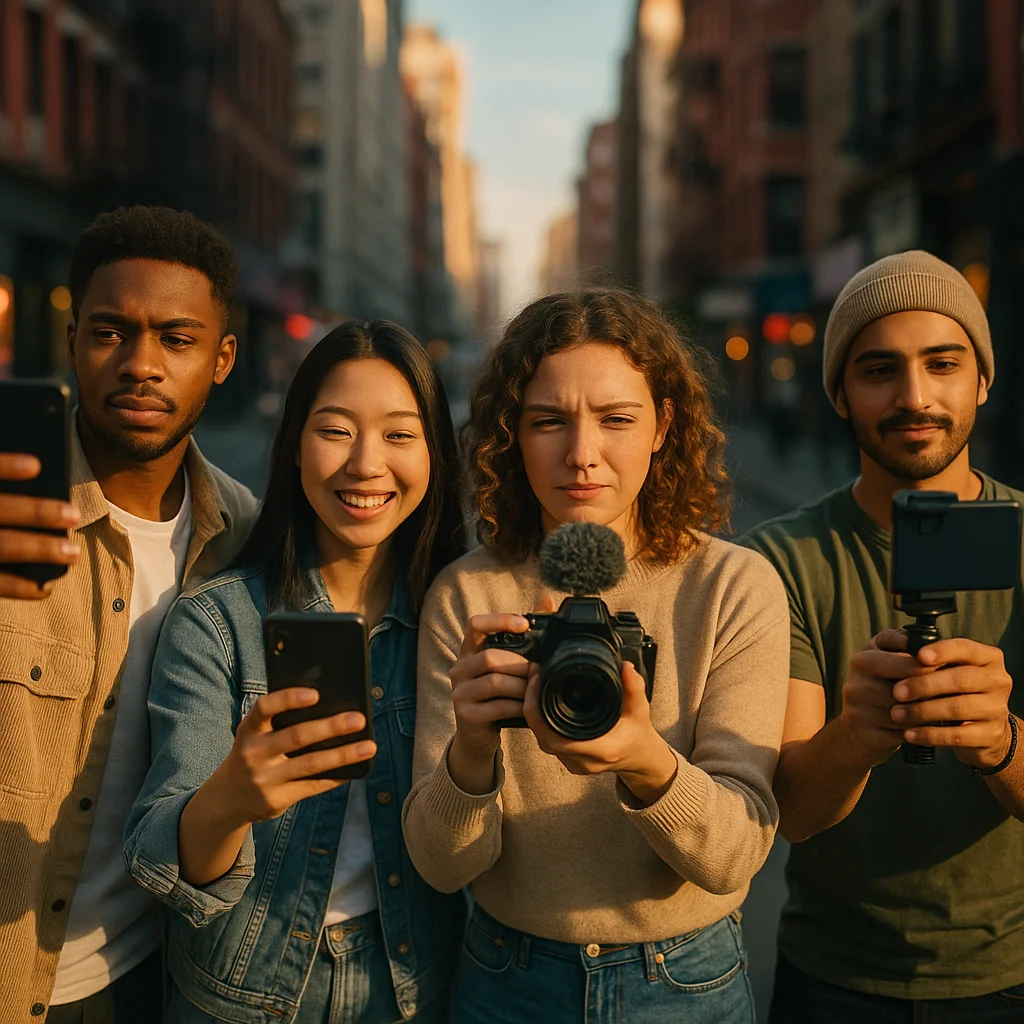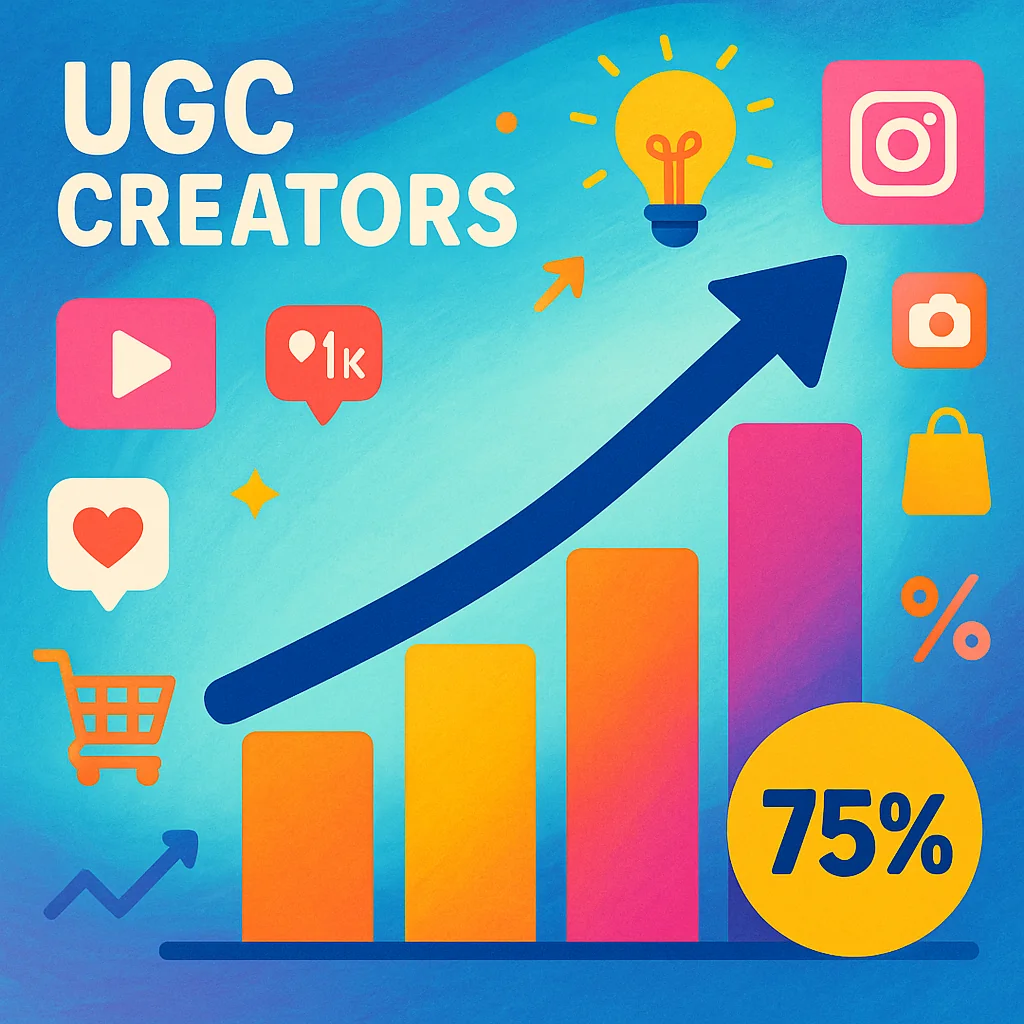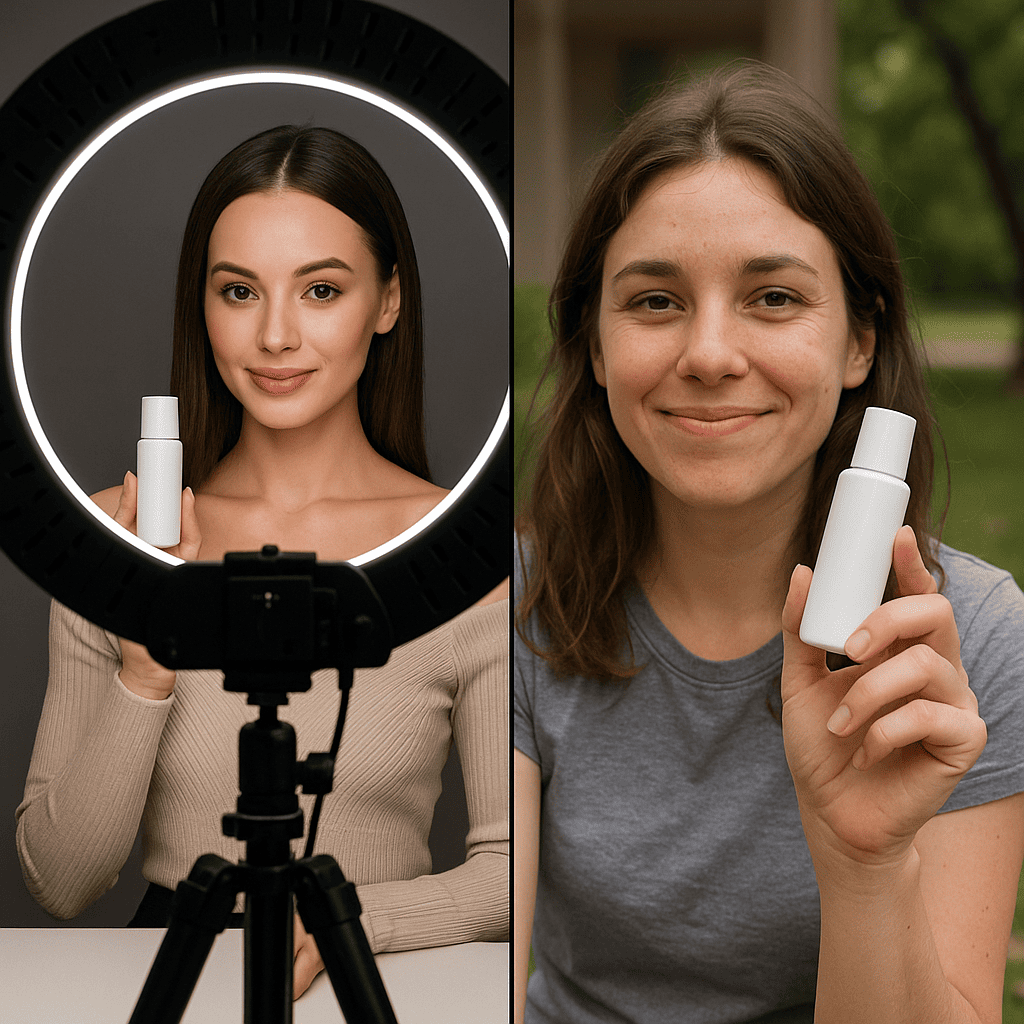
As we delve into the realm of UGC creators versus traditional influencers in 2025, it’s essential to understand the fundamental distinctions and strategies that can be employed to maximize their impact.
Key Differences Between UGC Creators and Traditional Influencers
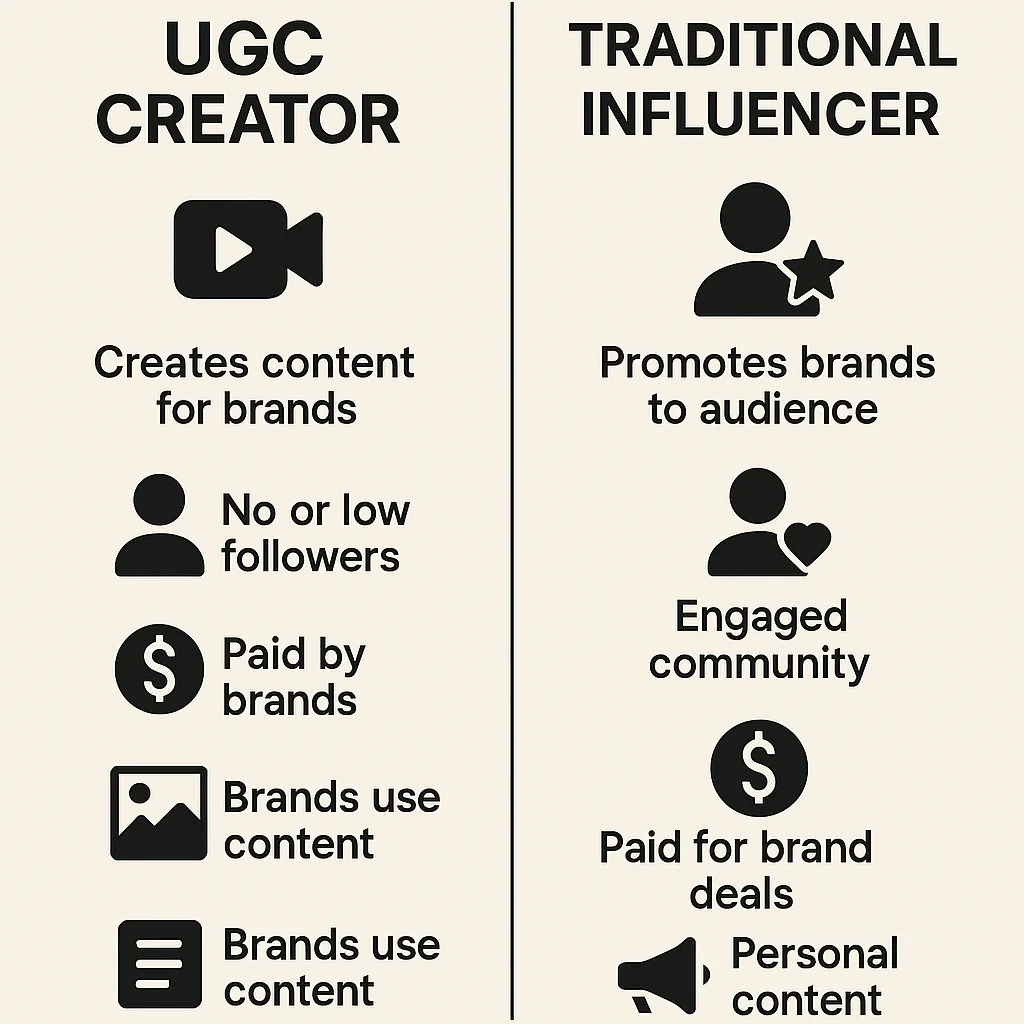
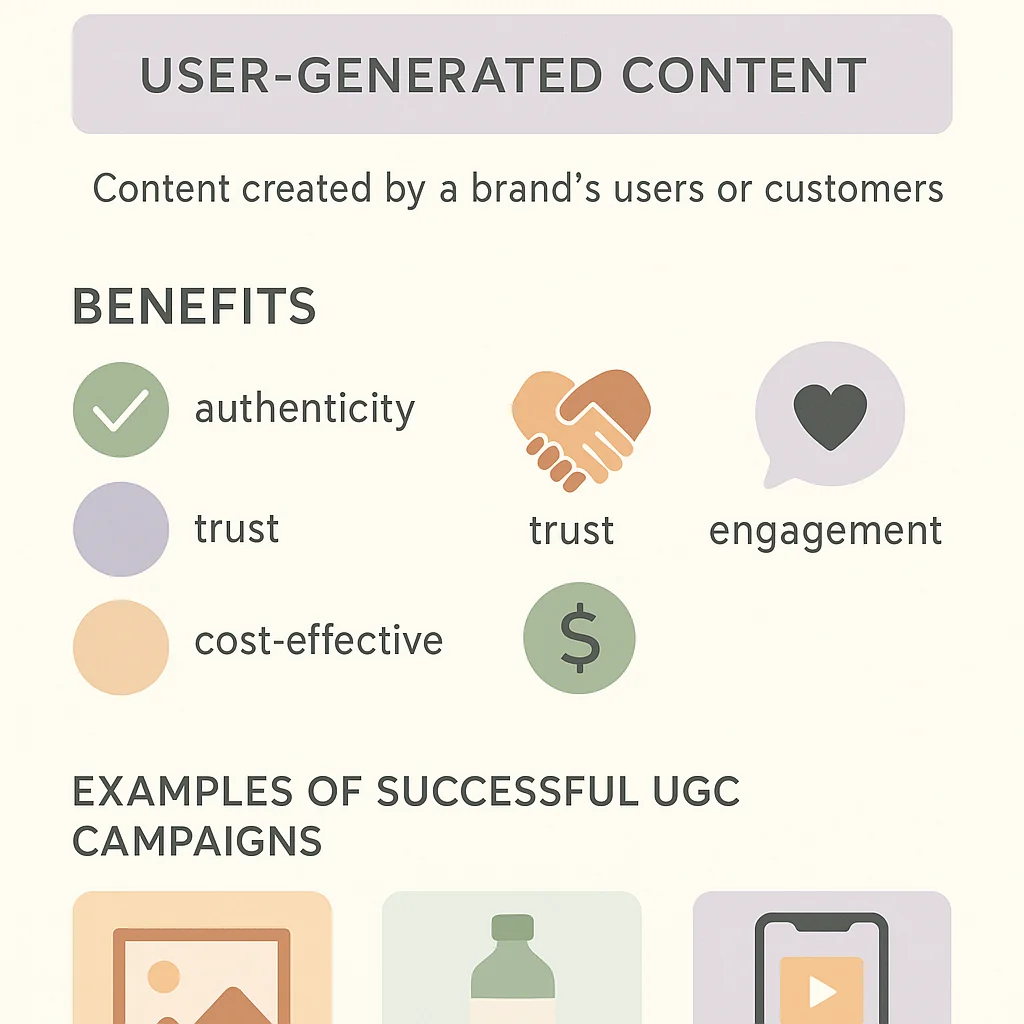
UGC creators, commonly known as User-Generated Content creators, are individuals who produce content based on their personal experiences and interactions with a brand or product. This contrasts with traditional influencers, who typically have a larger following and are often paid to promote products. While UGC creators offer authentic and relatable content, traditional influencers leverage their established audience to drive brand messages.
Cost Comparison and ROI Analysis
One of the significant advantages of UGC creators is cost-effectiveness. Engaging UGC creators often requires less financial investment compared to traditional influencers. Brands can benefit from a higher return on investment (ROI) as UGC content tends to have higher engagement rates due to its authenticity. On the other hand, traditional influencers, despite their higher cost, can offer substantial reach and visibility, which is crucial for large-scale campaigns.
Effective Strategies for Leveraging UGC Creators
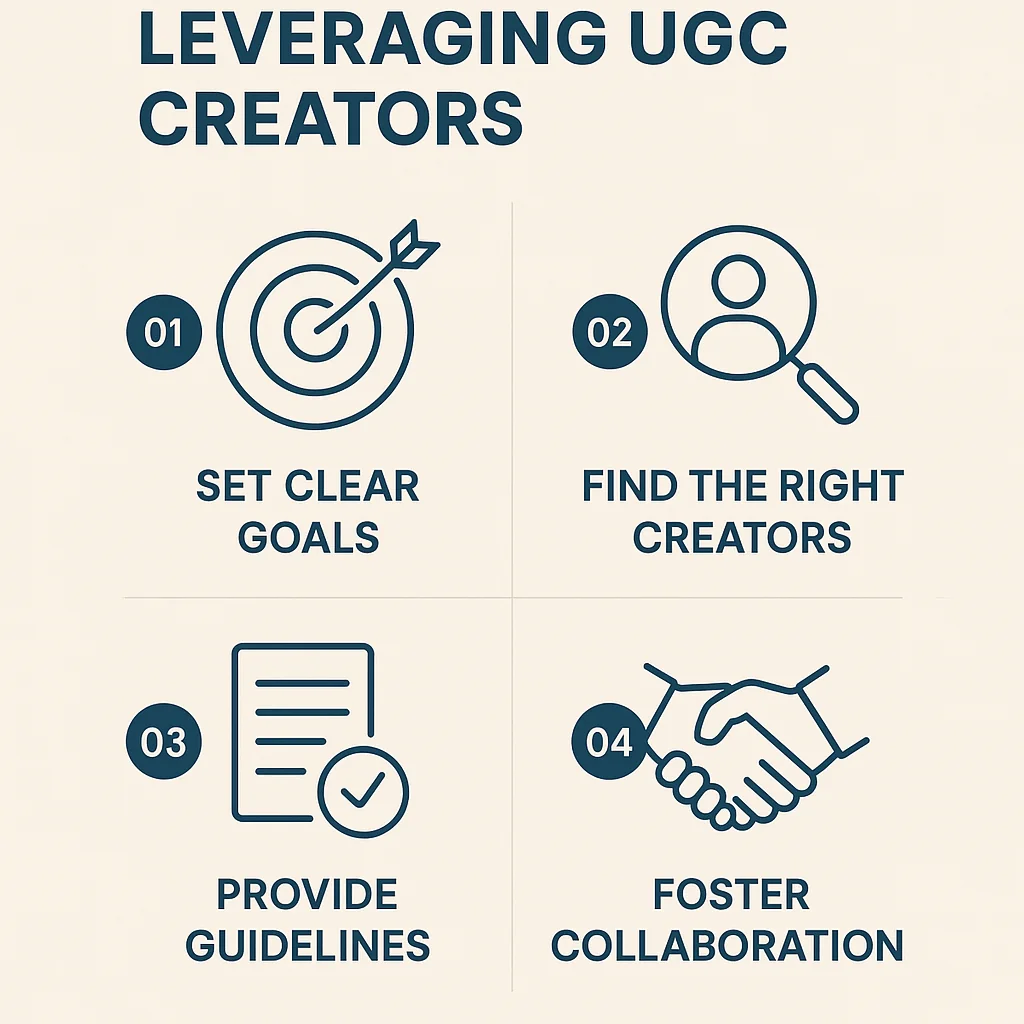
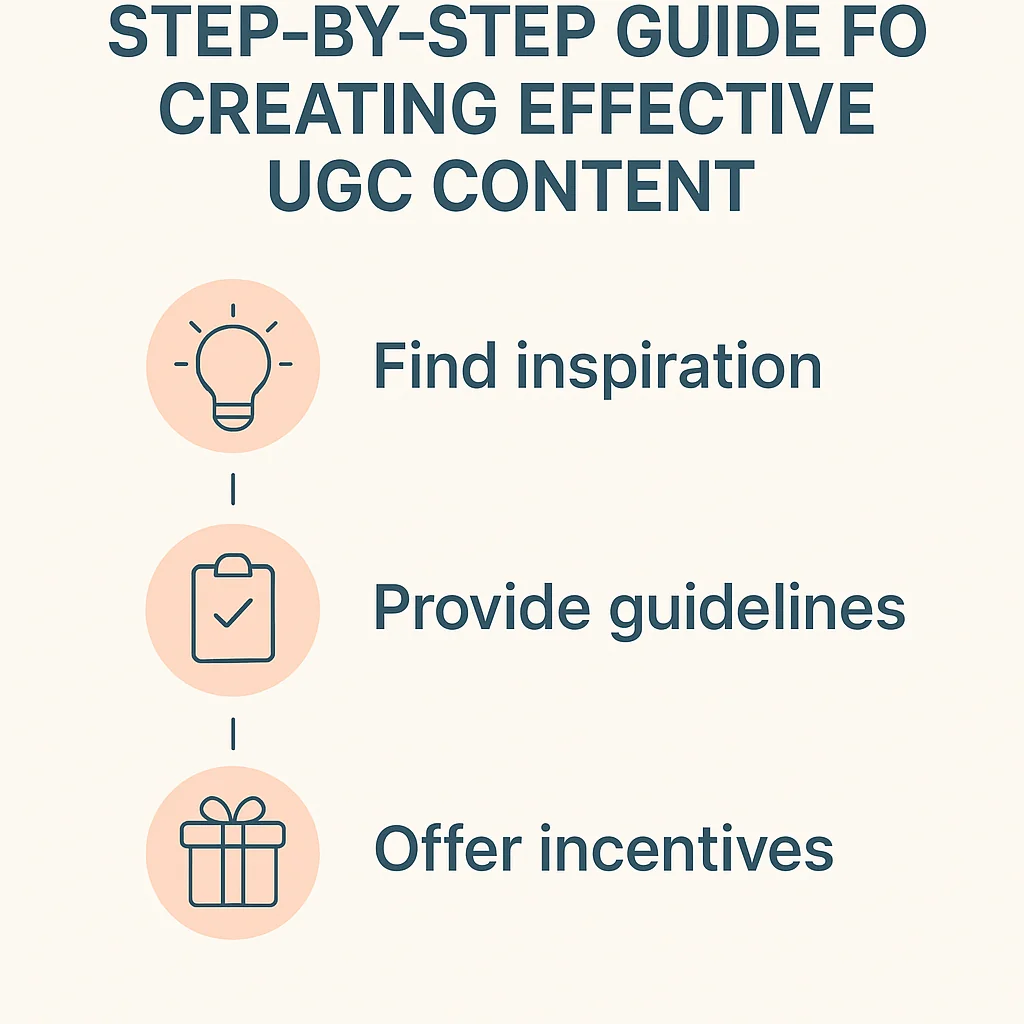
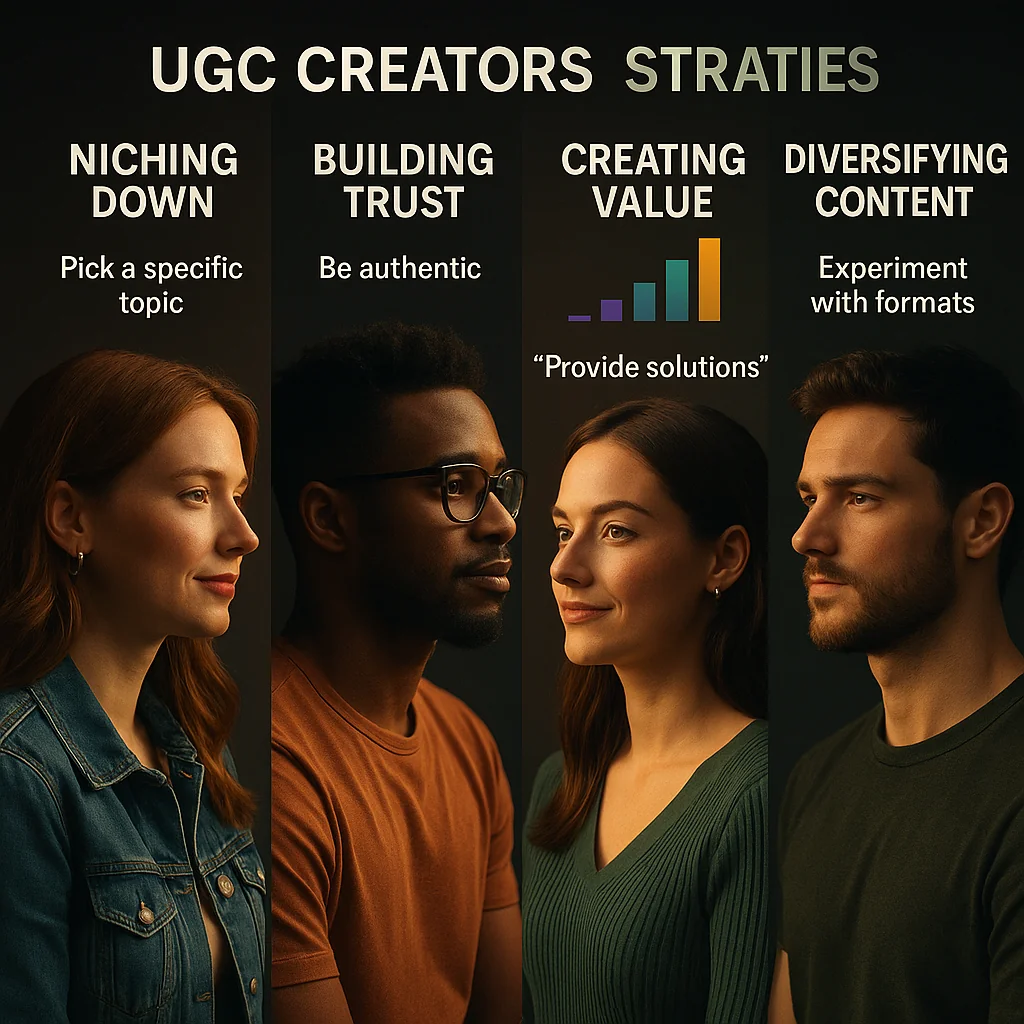
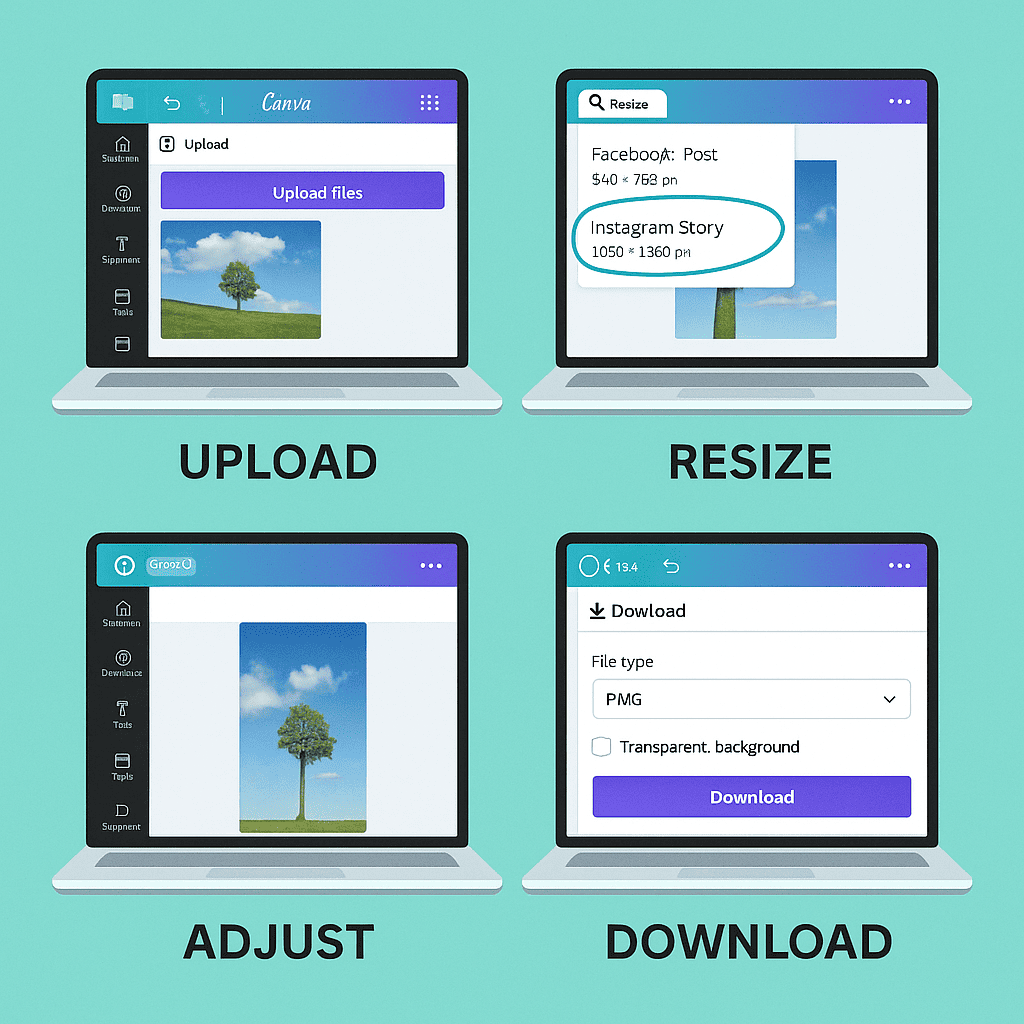
To effectively leverage UGC creators, brands should encourage genuine content creation by engaging their community and incentivizing participation. Creating interactive elements such as polls, quizzes, and visual aids can enhance engagement and foster a deeper connection with the audience. Additionally, showcasing real-world examples of successful UGC campaigns can provide valuable insights and inspire creative approaches.
Building on our exploration of the key differences and strategies in UGC Creators vs. Traditional Influencers 2025, it’s crucial to grasp the foundational definitions and historical context of these two influential roles.
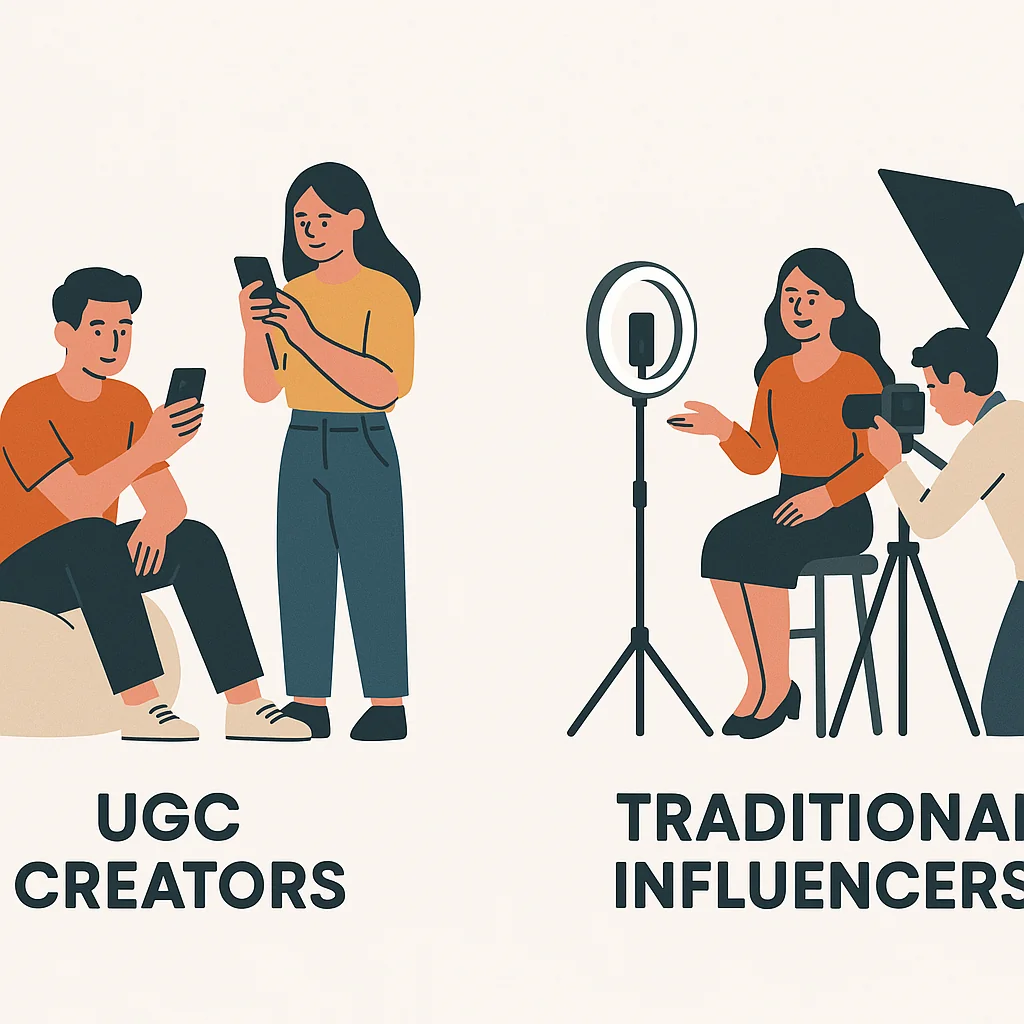
Definition of UGC Creators
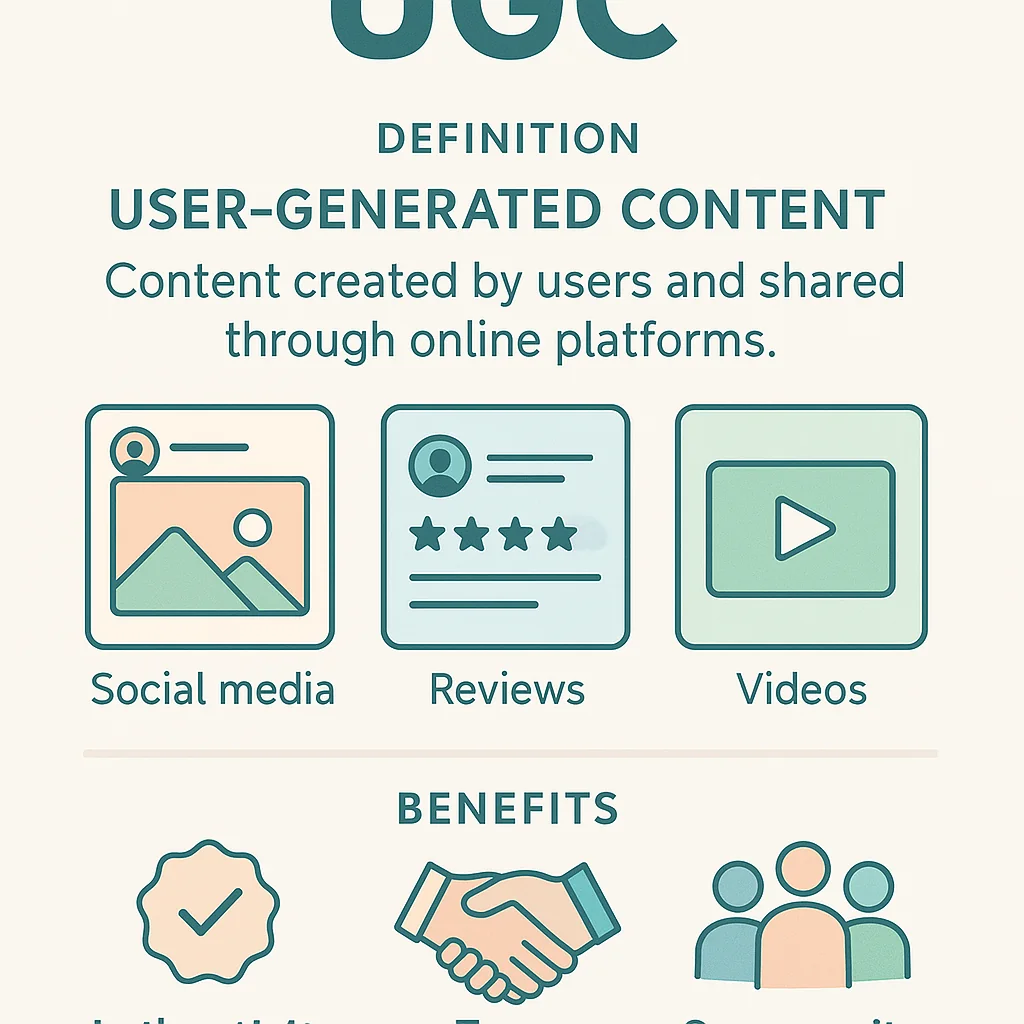
UGC creators, or User-Generated Content creators, are everyday users who produce content that showcases their personal experiences with a brand. This content can include reviews, testimonials, social media posts, and videos. UGC creators are valued for their authenticity and the organic connection they form with audiences. This grassroots approach has been increasingly pivotal in influencer marketing trends 2025.
Definition of Traditional Influencers
Traditional influencers, on the other hand, are individuals who have amassed a large following on social media platforms. Their influence is often bolstered by their perceived expertise, celebrity status, or niche specialization. These influencers typically engage in partnerships with brands to promote products or services in a more polished, professional manner.
Historical Context and Evolution
Understanding the historical context is essential to appreciate the evolution of influencer marketing. Traditional influencers have been a staple of digital marketing for over a decade, initially gaining traction through platforms like Instagram and YouTube. Over time, their role has evolved from casual endorsements to strategic brand ambassadorships.
Meanwhile, the rise of UGC creators has been a more recent phenomenon, driven by the increasing desire for authenticity and relatability in marketing. This shift reflects a broader change in consumer behavior, as audiences now favor genuine, relatable content over polished advertisements.
To understand the rise of UGC creators, refer to our detailed analysis. Additionally, for a comprehensive study on the evolution of influencer marketing, visit the Influencer Marketing Hub’s benchmark report.
Building on our understanding of UGC Creators and Traditional Influencers, it is essential to delve into the key differences in their approach and impact. Understanding these distinctions can help brands decide which strategy aligns best with their goals.
Content Creation Styles
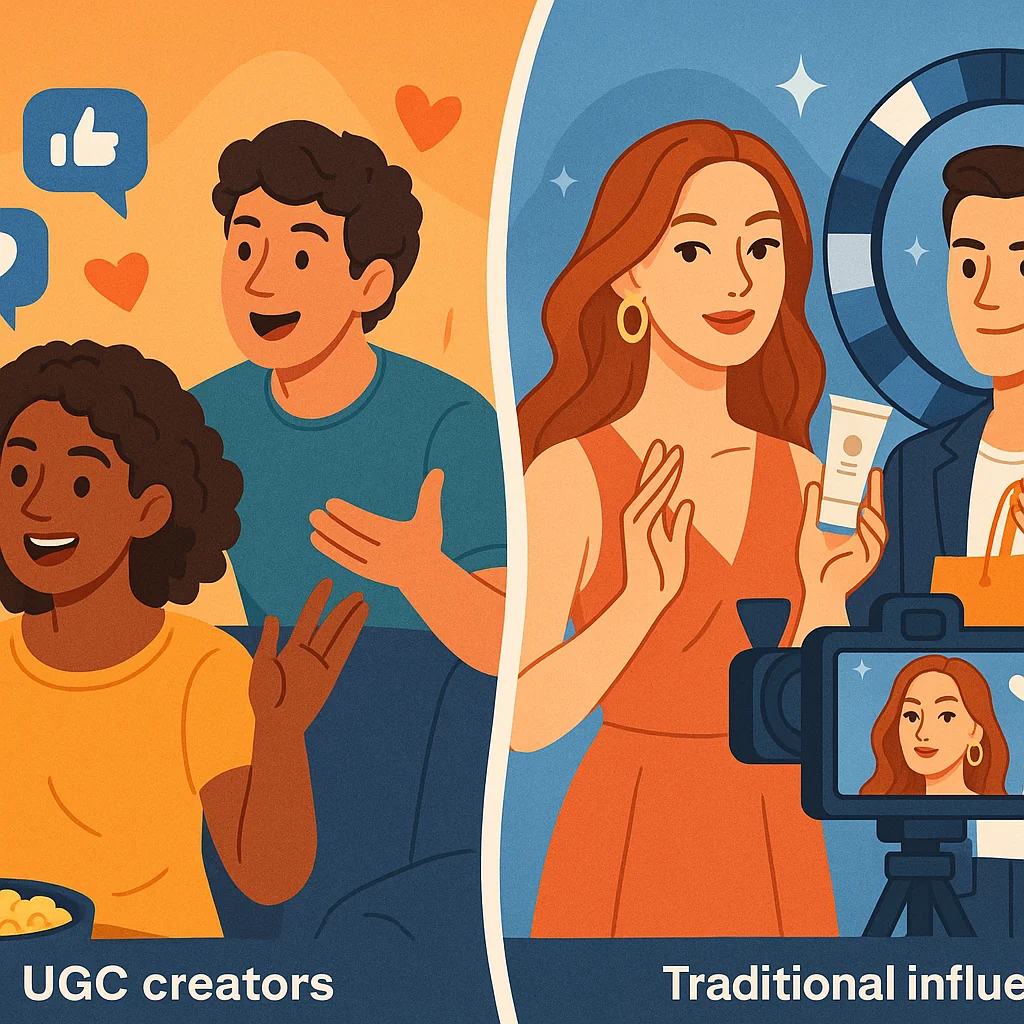
One of the most notable differences between UGC Creators vs. Traditional Influencers 2025 lies in their content creation styles. UGC creators focus on producing authentic content that resonates with real-life experiences, often capturing the raw and unfiltered aspects of a product or service. This type of content is typically more relatable to audiences, as it mirrors the everyday user experience.
In contrast, traditional influencers often create highly polished and professionally curated content. Their posts are usually well-planned, featuring high-quality visuals and strategic messaging. While this can result in visually appealing content, it may sometimes come across as less genuine compared to the relatable, user-generated posts.
Audience Engagement and Trust
Audience engagement and trust are crucial in the battle of UGC Creators vs. Traditional Influencers 2025. UGC creators tend to foster higher levels of trust among their followers due to the perceived authenticity of their content. Users often view UGC as more credible since it is created by peers rather than paid endorsements.
Traditional influencers, while still influential, can sometimes struggle with maintaining the same level of trust. As audiences become more savvy, they are increasingly aware of sponsored content, which can affect perceived authenticity. However, traditional influencers can still drive significant engagement, particularly if they have a well-established and loyal fan base.
Impact on Brand Perception
The impact on brand perception also varies significantly between UGC creators and traditional influencers. UGC campaigns often lead to a more genuine and grassroots brand image. By leveraging authentic content from real users, brands can build a community-driven reputation that feels more inclusive and relatable.
On the other hand, traditional influencer campaigns can elevate a brand’s status and appeal, especially in the eyes of those who value aspirational and high-quality content. These campaigns can position a brand as a trendsetter or luxury option, depending on the influencer’s image and audience.
For examples of viral campaigns, see our article on UGC creators.
In conclusion, both UGC creators and traditional influencers have unique approaches and impacts. Brands must carefully consider their objectives and audience preferences when choosing between these strategies.
As we have explored the key differences in approach and impact between UGC creators and traditional influencers, it is essential to delve into the financial aspects to fully understand their value. This section will provide a detailed cost comparison and ROI analysis, shedding light on the average costs of hiring UGC creators versus traditional influencers, and examining the ROI metrics that can guide your marketing strategy.
Average Costs of Hiring UGC Creators vs. Traditional Influencers
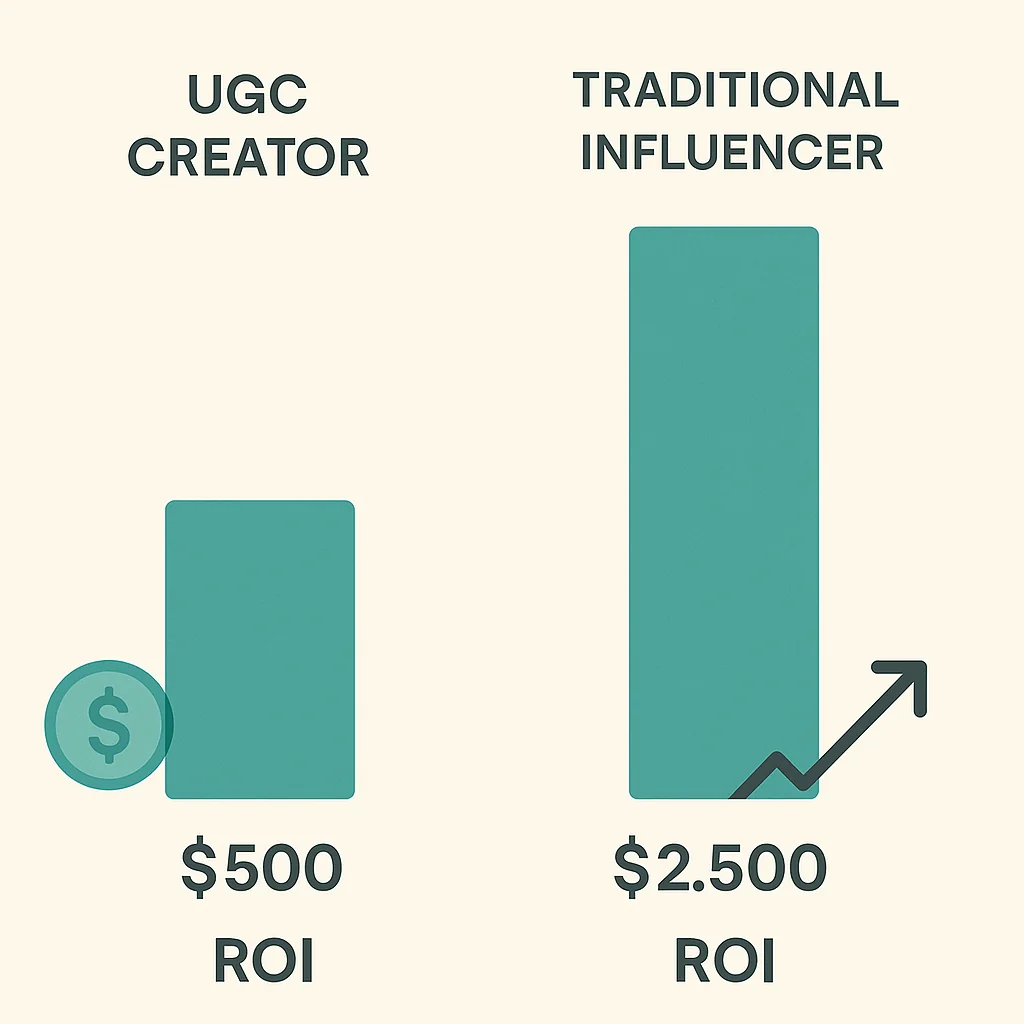
The cost of UGC creators is typically lower than that of traditional influencers. UGC creators often charge between $100 to $500 per piece of content, depending on their experience and the complexity of the project. In contrast, traditional influencers, especially those with large followings, can command fees ranging from $1,000 to $10,000 or more per post. This significant difference in cost makes UGC creators an attractive option for brands with tighter budgets.
ROI Metrics and Analysis
When it comes to the ROI of influencer marketing, it’s crucial to evaluate both the immediate and long-term impacts. Traditional influencers often bring a quick spike in engagement and visibility due to their large follower base. However, UGC creators can offer a more sustainable and authentic connection with the audience, potentially leading to higher long-term engagement and brand loyalty.
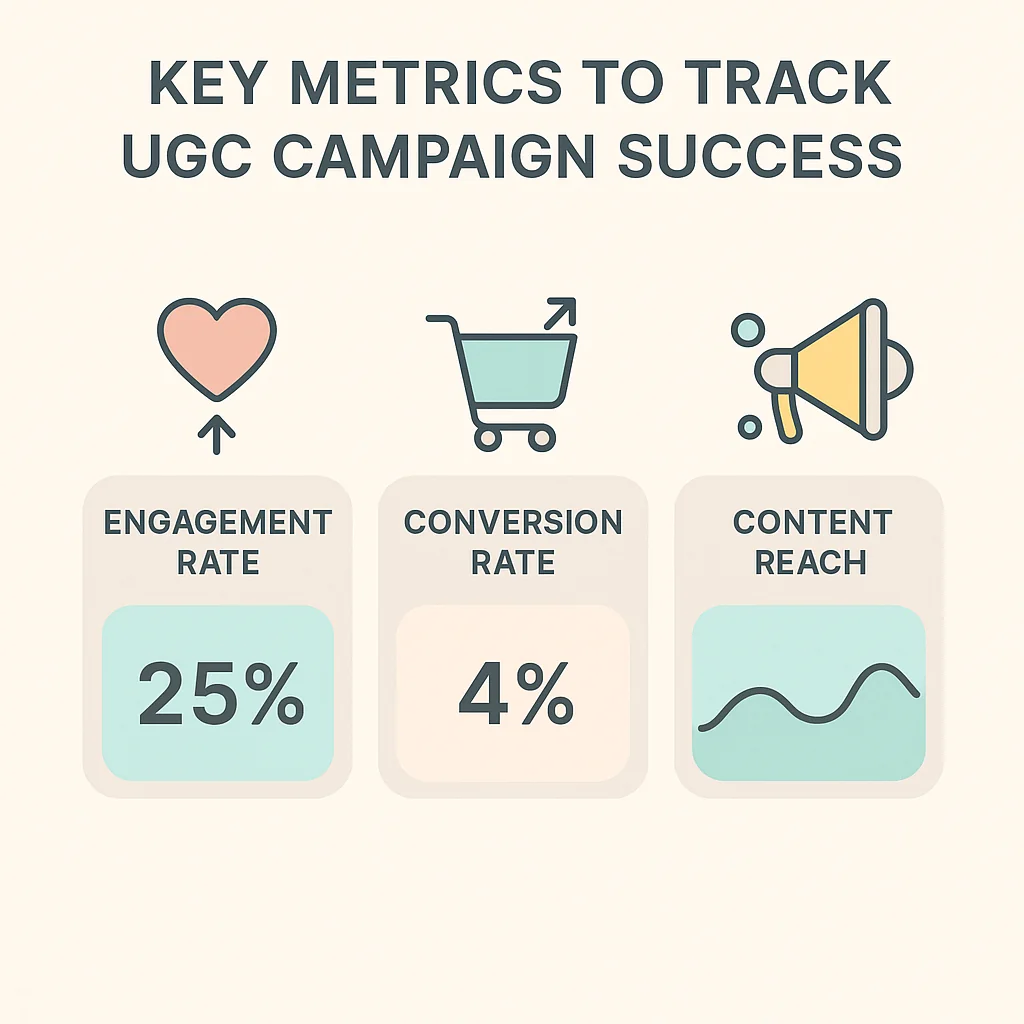
Metrics such as engagement rates, conversion rates, and customer acquisition costs should be carefully analyzed. For instance, brands have reported seeing a 20-30% increase in engagement rates when leveraging UGC content compared to traditional influencer posts. This suggests that while traditional influencers might have higher upfront costs, UGC creators can deliver a more cost-effective ROI over time.
Case Studies of Cost-Effective Campaigns
Several brands have successfully executed cost-effective campaigns by focusing on UGC creators. For example, a skincare brand managed to increase their sales by 25% within three months by collaborating with UGC creators who produced authentic product reviews and tutorials. The campaign’s cost was a fraction of what it would have been with traditional influencers, demonstrating the potential for higher ROI with UGC strategies.
To illustrate further, another brand in the fashion industry leveraged UGC to boost their online presence. By partnering with micro-influencers and everyday users, they generated a wealth of relatable content that resonated with their target audience, leading to a significant uptick in website traffic and sales. Learn how UGC creators can turn their side hustle into a six-figure income.
For a deeper understanding of the costs associated with influencer marketing, you can refer to this comprehensive industry report on influencer marketing costs.
By evaluating these factors, brands can make informed decisions about their marketing investments, ensuring they achieve the best possible return on their expenditure.
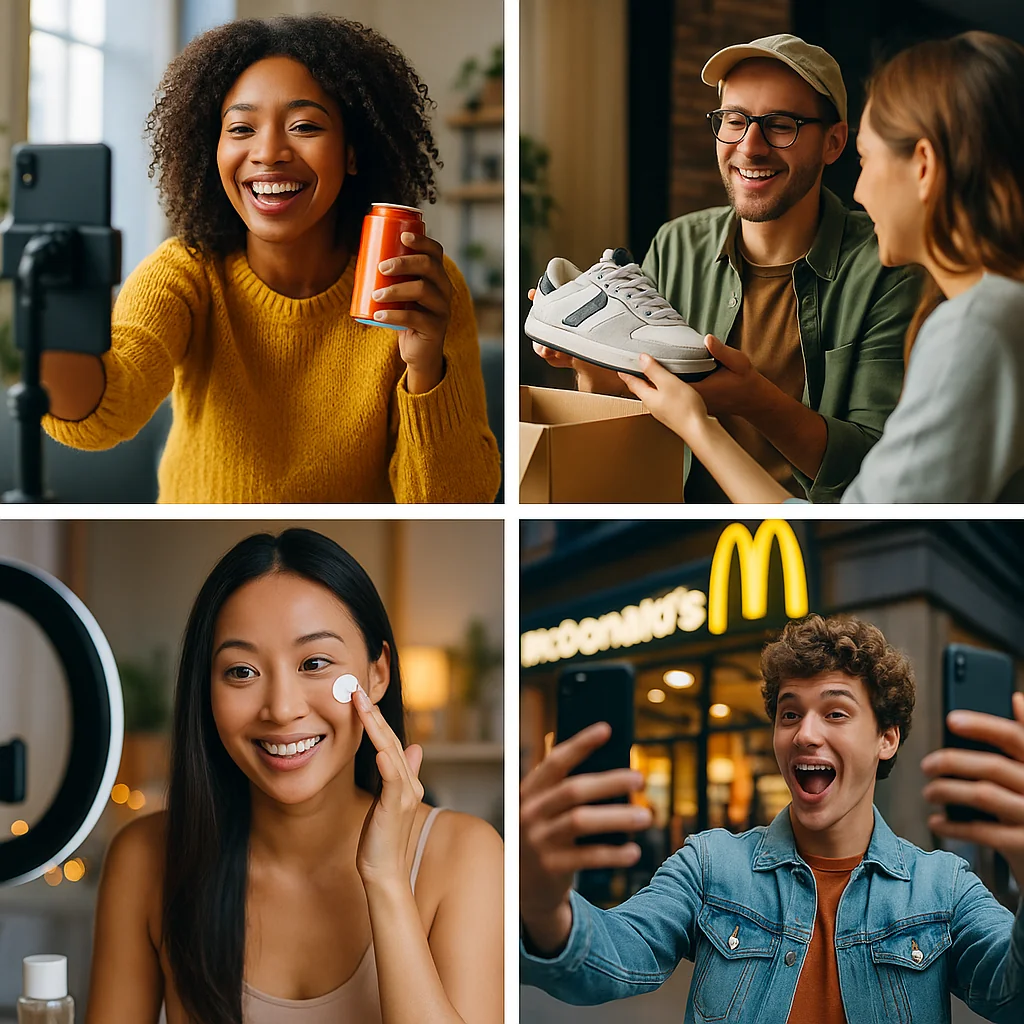
Having explored the cost comparison and ROI analysis between UGC creators and traditional influencers, let’s now delve into some real-world examples that highlight the power and effectiveness of UGC campaigns. These case studies provide valuable insights into the strategies employed and the remarkable results achieved.
Overview of Successful Campaigns
Several brands have leveraged UGC creators to drive engagement and enhance their marketing efforts. These examples underscore the versatility and impact of user-generated content in today’s digital landscape.
- GoPro: One of the most notable examples is GoPro, which has consistently encouraged its users to share content created using their products. This strategy not only showcases the product’s capabilities but also builds a community of loyal customers.
- Starbucks: Starbucks’ White Cup Contest invited customers to decorate their cups and share their designs on social media. This campaign generated thousands of entries, boosting brand visibility and customer interaction.
- Coca-Cola: The Share a Coke campaign, which personalized bottles with names, prompted customers to share their experiences online. This initiative significantly increased social media engagement and sales.
Key Strategies Used
Successful UGC campaigns often incorporate several key strategies:
- Encouraging Participation: Brands actively invite users to contribute content, offering incentives such as contests or feature opportunities.
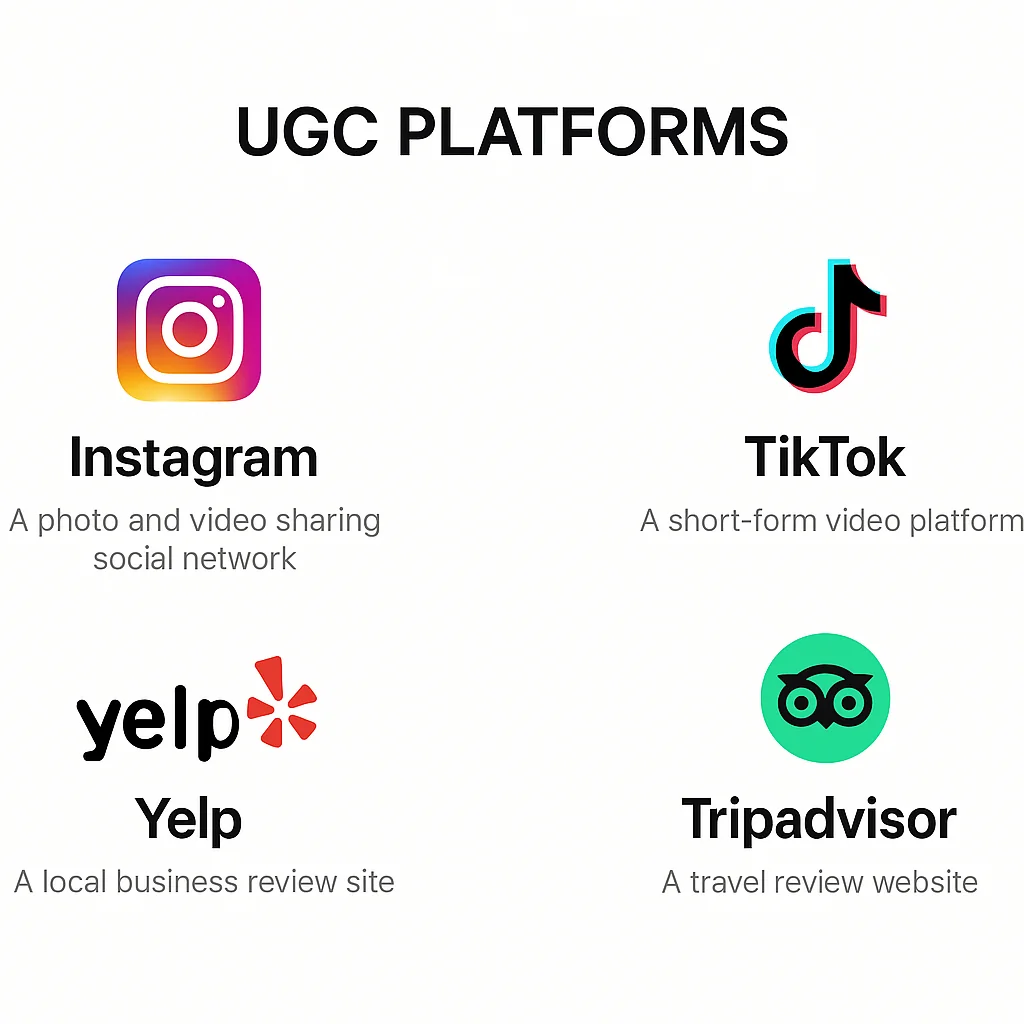
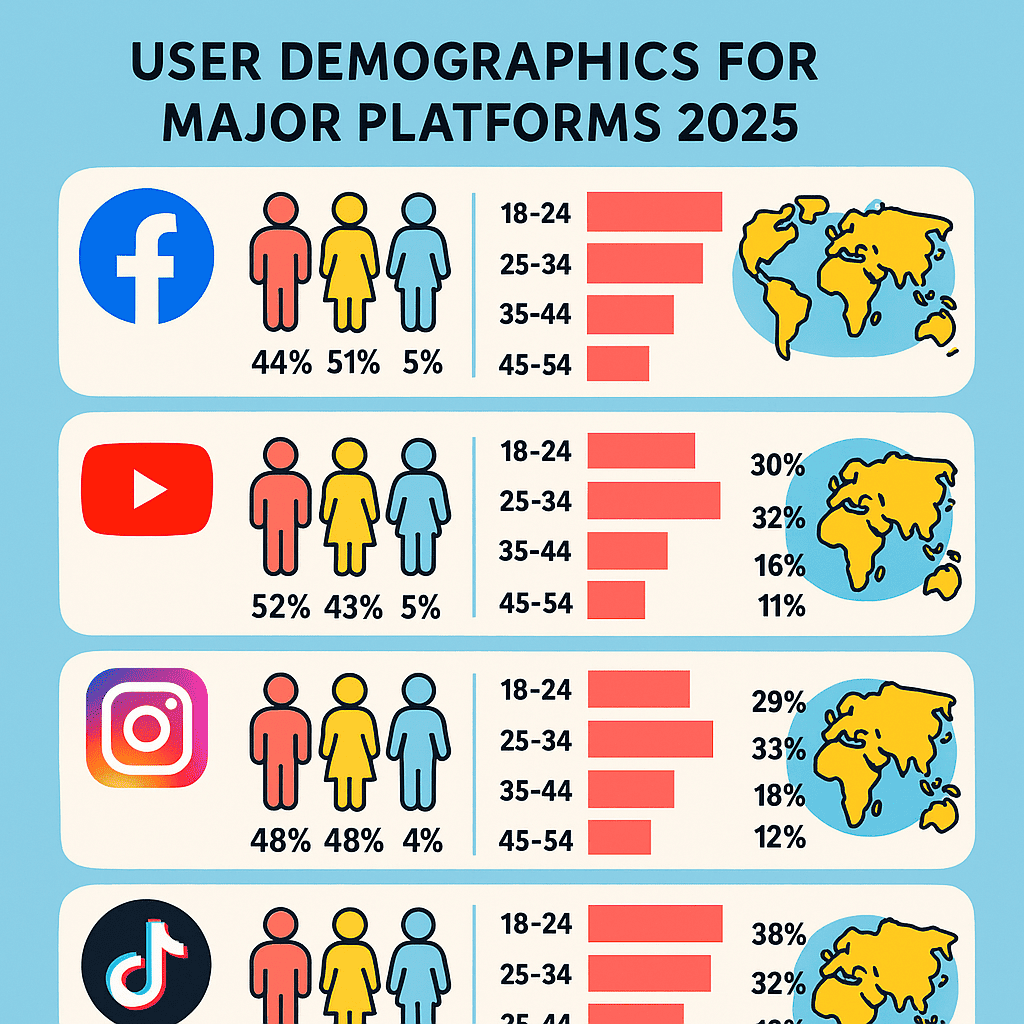
- Utilizing Social Media: Platforms like Instagram, Facebook, and TikTok are central to UGC campaigns, providing a space for users to share and amplify their content.
- Highlighting Authenticity: User-generated content is perceived as more genuine and trustworthy, enhancing brand credibility.
- Leveraging Hashtags: Creating unique and memorable hashtags helps in organizing and tracking UGC, making it easier for both the brand and its audience to find and share content.
Results and Impact
The impact of UGC campaigns can be profound, leading to increased brand awareness, higher engagement rates, and improved customer loyalty.
For instance, GoPro’s approach has resulted in a vast library of user-generated content that not only serves as effective marketing material but also fosters a strong community. Starbucks’ White Cup Contest saw a surge in social media activity, demonstrating the power of creative customer involvement. Similarly, Coca-Cola’s Share a Coke campaign led to a significant boost in both social media engagement and product sales.
These examples clearly illustrate how UGC Creators vs. Traditional Influencers 2025 strategies can shape the future of marketing. By harnessing the creativity and authenticity of UGC, brands can achieve remarkable results that resonate deeply with their audience.
Explore more examples of UGC creators in viral marketing campaigns.
For a detailed analysis of top UGC campaigns, visit this resource.
Having explored the success stories of various UGC campaigns, it’s time to delve into the practical steps of hiring and collaborating with UGC creators effectively. Understanding how to hire UGC creators in 2025 and implement the best marketing strategies is crucial for maximizing the potential of these partnerships. Let’s break down the process into manageable steps:

Finding UGC Creators
Identifying the right UGC creators for your brand is the first step. Start by conducting thorough research across social media platforms, such as Instagram, TikTok, and YouTube, where UGC creators are highly active. Look for creators whose content aligns with your brand values and target audience.
Additionally, consider using specialized tools and platforms that facilitate the discovery of UGC creators. Websites like Grin offer comprehensive guides on influencer marketing tools, making the search process more streamlined.
Best Practices for Collaboration
Once you’ve identified potential UGC creators, the next step is effective collaboration. Here are some best practices to ensure a successful partnership:
- Clear Communication: Establish clear and open communication channels. Specify your expectations, campaign goals, and any specific guidelines the creators need to follow.
- Creative Freedom: Allow creators the freedom to infuse their unique style and voice into the content. This authenticity can significantly boost engagement and credibility.
- Feedback Loop: Maintain a feedback loop where both parties can share insights and suggestions, ensuring continuous improvement and alignment with the campaign objectives.
Tools and Platforms to Use
Utilizing the right tools and platforms can enhance the efficiency of your collaboration. Here are some recommended options:
- Influencer Marketing Platforms: Platforms like Grin, AspireIQ, and Upfluence offer comprehensive solutions for managing UGC creator collaborations, from discovery to analytics.
- Project Management Tools: Tools such as Trello, Asana, and Monday.com can help keep track of tasks, deadlines, and communication, ensuring a smooth workflow.
For those looking to understand the journey of becoming a UGC creator, check out this insightful guide to gain deeper insights into the process.
By following these steps and leveraging the right resources, brands can effectively hire and work with UGC creators, driving impactful marketing strategies that resonate with their audience.
After understanding the practical aspects of hiring and collaborating with UGC creators, it’s crucial to look ahead and anticipate the emerging trends and shifts in influencer marketing for 2025. As the landscape evolves, several key predictions and expert insights can guide your strategy.

Emerging Trends
One of the significant influencer marketing trends 2025 involves the increasing integration of artificial intelligence and machine learning. These technologies are set to revolutionize how brands identify and engage with influencers, making the process more efficient and targeted. Additionally, augmented reality (AR) and virtual reality (VR) are gaining traction, providing immersive experiences that can enhance consumer engagement.
Predicted Market Shifts
Experts predict that the market will see a shift towards more authentic and relatable content. As consumers become savvier, traditional influencers might face challenges adapting to these changes, while UGC creators are poised to thrive due to their genuine connection with audiences. Furthermore, there’s an expected rise in micro and nano influencers, whose niche followings can offer higher engagement rates compared to mega influencers.
Brands are also likely to increase investment in long-term partnerships rather than one-off collaborations. This approach fosters deeper relationships and consistent messaging, ultimately leading to better ROI and brand loyalty.