Social Media Statistics Shaping Australia’s Digital Landscape in 2025
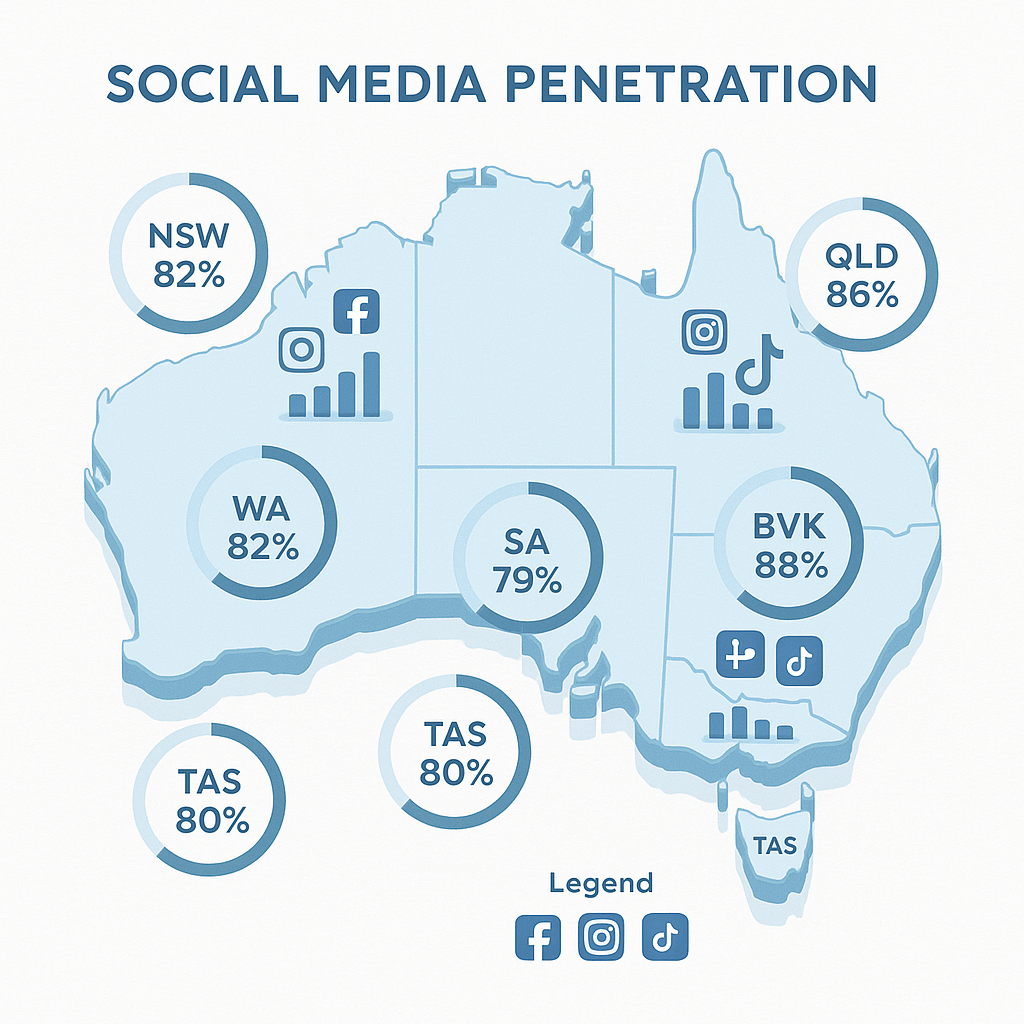
As we delve into the social media statistics shaping Australia’s digital landscape in 2025, it becomes clear that social media usage continues to evolve rapidly. With over 80% of the population actively engaging on various platforms, the digital sphere is more vibrant and dynamic than ever before.
Key demographic trends reveal that younger Australians, particularly those aged 18-34, are leading the charge in social media adoption. However, there is a notable rise in usage among older demographics, indicating a broadening appeal and inclusivity of these digital spaces.
Looking ahead, future projections suggest a significant increase in video content consumption and augmented reality experiences. For marketers, this means prioritizing immersive and interactive content will be crucial. By staying ahead of these trends, businesses can effectively engage their audiences and drive meaningful digital interactions.
Overview of Social Media Usage in Australia 2025
As we examine the social media statistics shaping Australia’s digital landscape in 2025, it becomes clear that digital platforms are more integral to daily life than ever before. The total number of social media users has reached an impressive milestone, making up a significant percentage of the Australian population. This growth trend is not just a continuation of previous years but a marked escalation in how Australians interact with the digital world.
In 2025, Australia boasts over 22 million social media users. This figure represents approximately 85% of the entire population, showcasing a substantial increase from previous years. The pervasive presence of platforms such as Facebook, Instagram, and TikTok has driven this growth, reflecting broader digital marketing trends in Australia. Marketers and businesses have had to adapt rapidly to this ever-expanding audience, leveraging these platforms to engage with consumers more effectively.
Comparing the current data to previous years, we observe a remarkable upward trend. In 2020, for example, the number of social media users stood at around 18 million, which was about 70% of the population at the time. This substantial increase highlights the accelerating pace at which Australians are embracing social media. The rise can be attributed to improved internet accessibility, the proliferation of smartphones, and the growing influence of digital content on everyday activities.
“The evolution of social media usage in Australia is not just a trend; it’s a digital revolution that continues to reshape how we connect, communicate, and consume content.” – Digital Trends Analyst
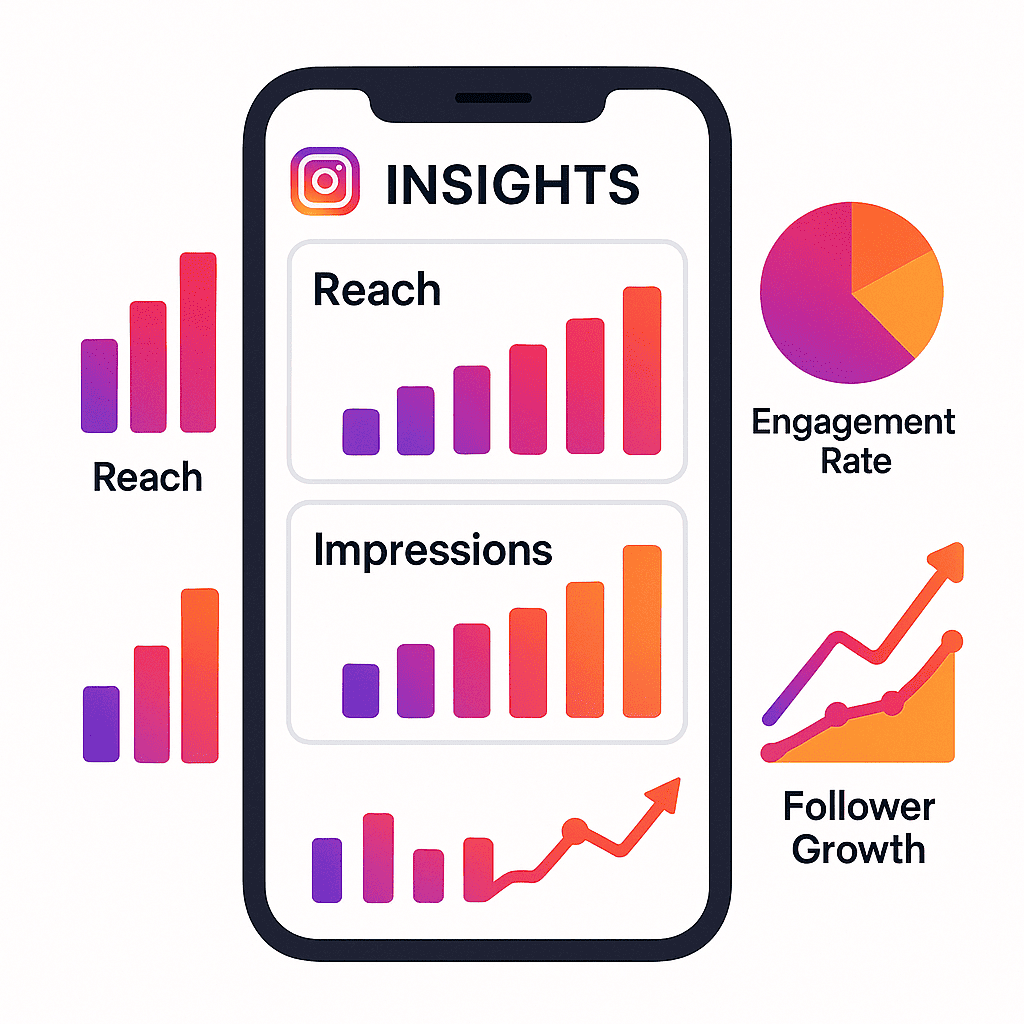
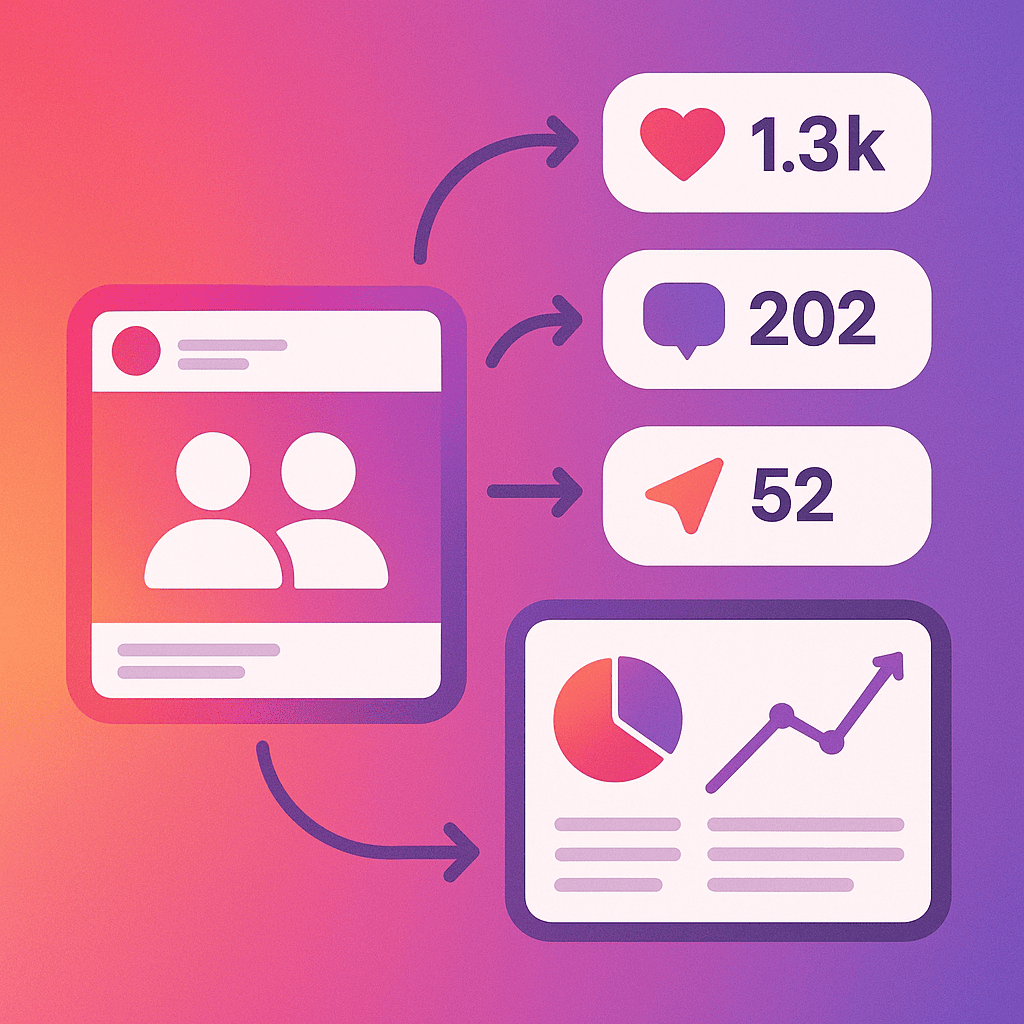
For businesses and marketers, understanding these social media statistics in Australia is crucial. The insights derived from these numbers can significantly impact digital marketing strategies, ensuring that campaigns are not only relevant but also resonate with the target audience. To stay competitive, it’s essential to keep an eye on tools and analytics that can provide deeper insights into social media dynamics. For example, exploring Instagram analytics tools can be incredibly beneficial in fine-tuning your approach.
Demographic Breakdown of Social Media Users
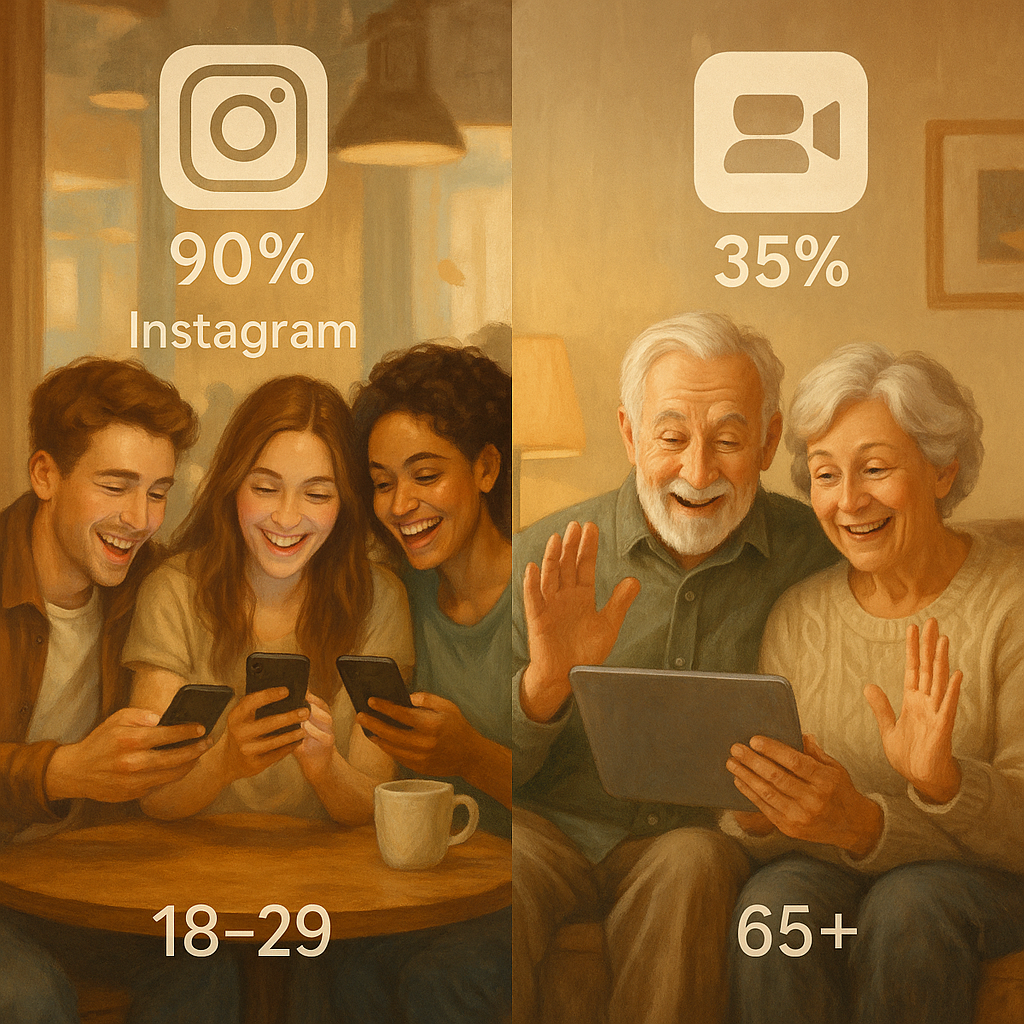
Understanding the Australia social media demographics offers invaluable insights into how different segments of the population engage with various platforms. Notably, these demographic trends reveal that social media usage is not uniform across age groups, genders, or geographic locations.
Age Groups Most Active on Social Media
In Australia, younger generations are the most active on social media. According to recent studies, individuals aged 18-29 are the heaviest users, with nearly 90% having a presence on at least one platform. This is closely followed by the 30-49 age group, which shows a robust engagement rate of about 75%. Interestingly, even the older cohorts (50-64 and 65+) are seeing increasing adoption rates, driven by the need to stay connected with family and friends.
Gender Distribution
When it comes to gender, the landscape of social media usage is almost evenly split. Women tend to be slightly more active on platforms like Instagram and Facebook, known for their visual and social interaction features. Men, on the other hand, show a higher propensity for platforms like LinkedIn and Twitter, often leveraging these networks for professional growth and information sharing. This balanced gender distribution underscores the broad appeal and diverse utility of social media platforms.
Urban vs. Rural Usage Patterns
Geographic location also plays a crucial role in social media usage patterns. Urban areas, with their higher population densities and better internet infrastructure, naturally exhibit higher rates of social media engagement. In contrast, rural areas, though catching up, show more modest usage levels. This urban-rural divide highlights the ongoing challenges in digital inclusivity and internet accessibility.
For a deeper dive into how specific platforms like Instagram are evolving, check out our comprehensive guide on Instagram growth strategies.
| Demographic | Most Active Platforms | Usage Percentage |
|---|---|---|
| 18-29 Age Group | Instagram, TikTok | 90% |
| 30-49 Age Group | Facebook, LinkedIn | 75% |
| 50-64 Age Group | Facebook, YouTube | 50% |
| 65+ Age Group | 35% |
Trends in Social Media Engagement and Content Preferences

Understanding online engagement through social media trends and content preferences is crucial for anyone looking to make an impact in the digital space. Recently, some significant shifts have been observed in user interaction patterns, especially influenced by AI and algorithms.
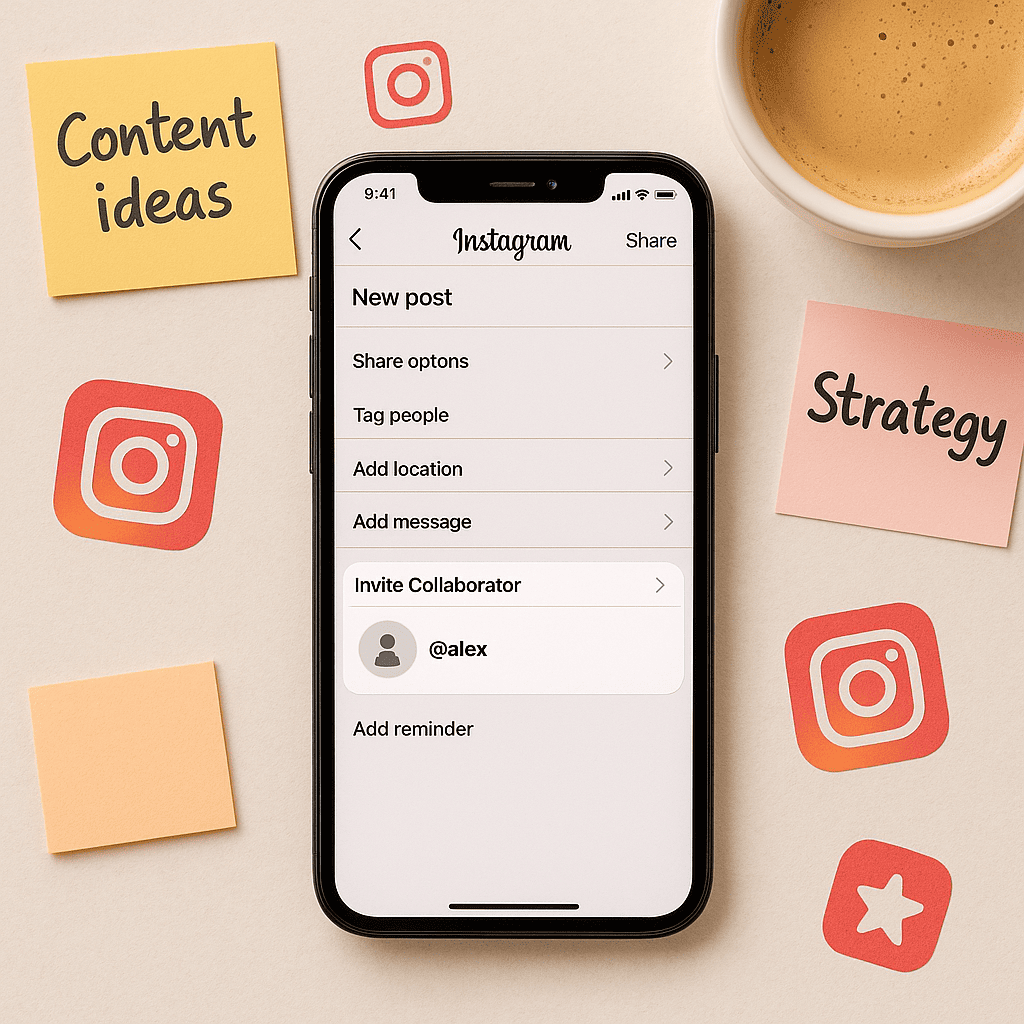
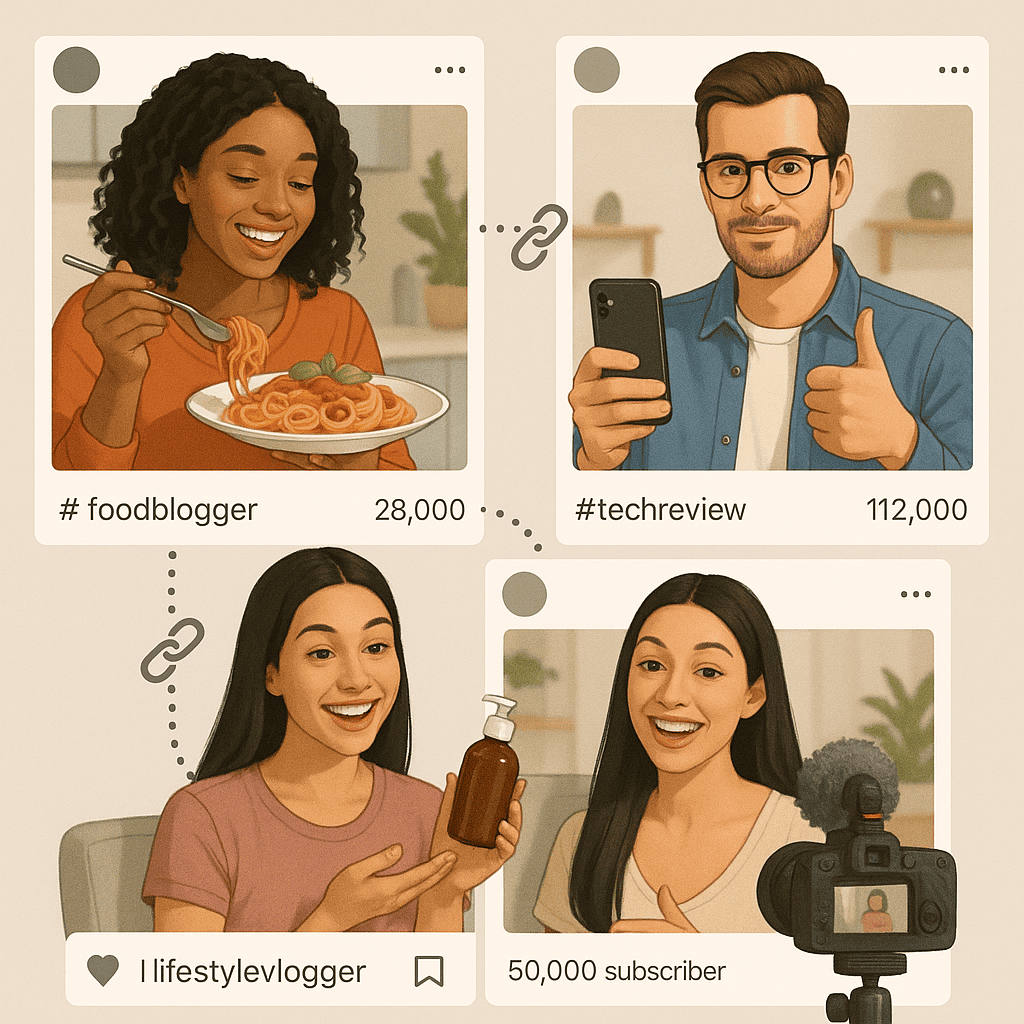
Firstly, let’s delve into the most engaging types of content. Visual content continues to dominate, with images and videos consistently outperforming text-based posts. Instagram collaboration posts, for instance, have shown remarkable engagement rates, allowing brands to reach wider audiences effectively. Interactive content such as quizzes, polls, and live streams also engage users by fostering a sense of participation and real-time connection.
Another notable trend is the change in user interaction patterns. Users are increasingly favoring ephemeral content, such as Instagram Stories and Snapchat, over permanent posts. These short-lived posts create a sense of urgency and exclusivity that drives higher interaction rates. Additionally, there’s a growing preference for authentic, behind-the-scenes content which provides a more personal connection between the brand and the audience.
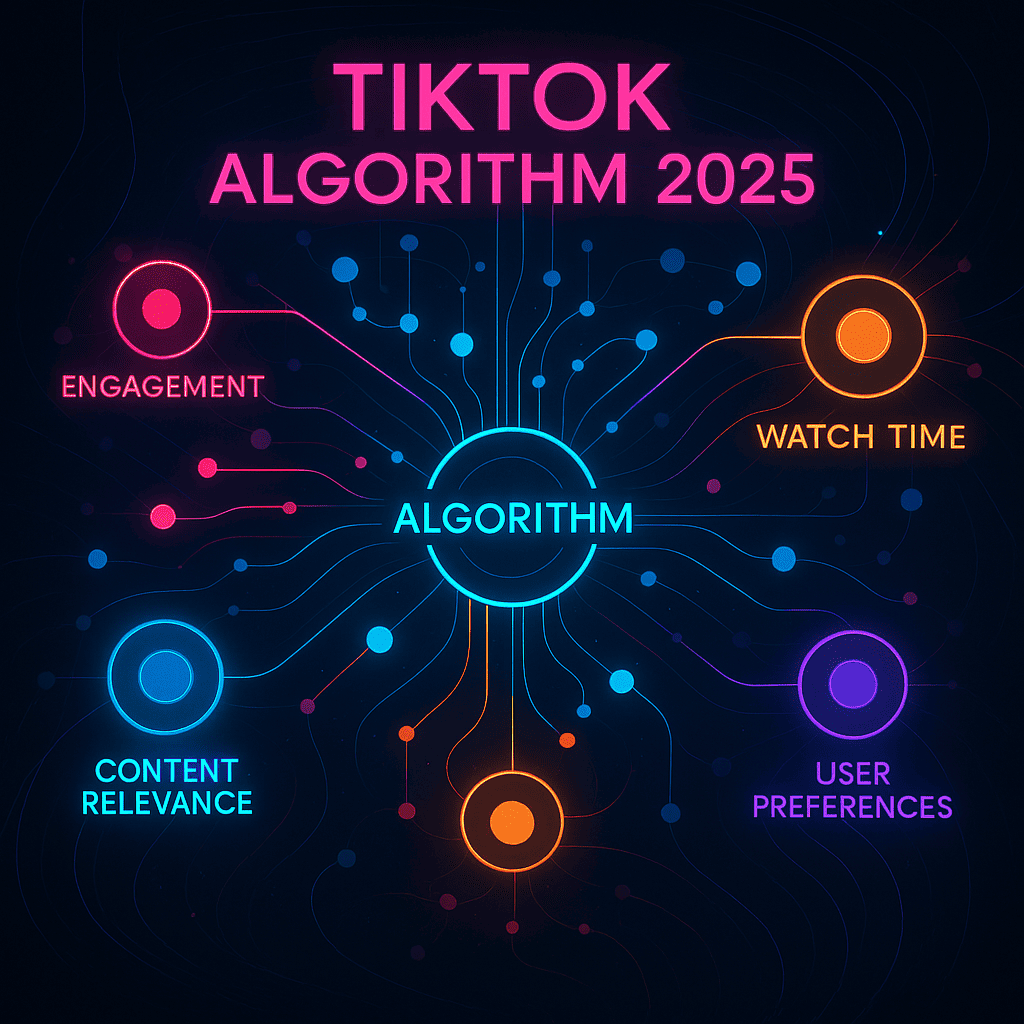
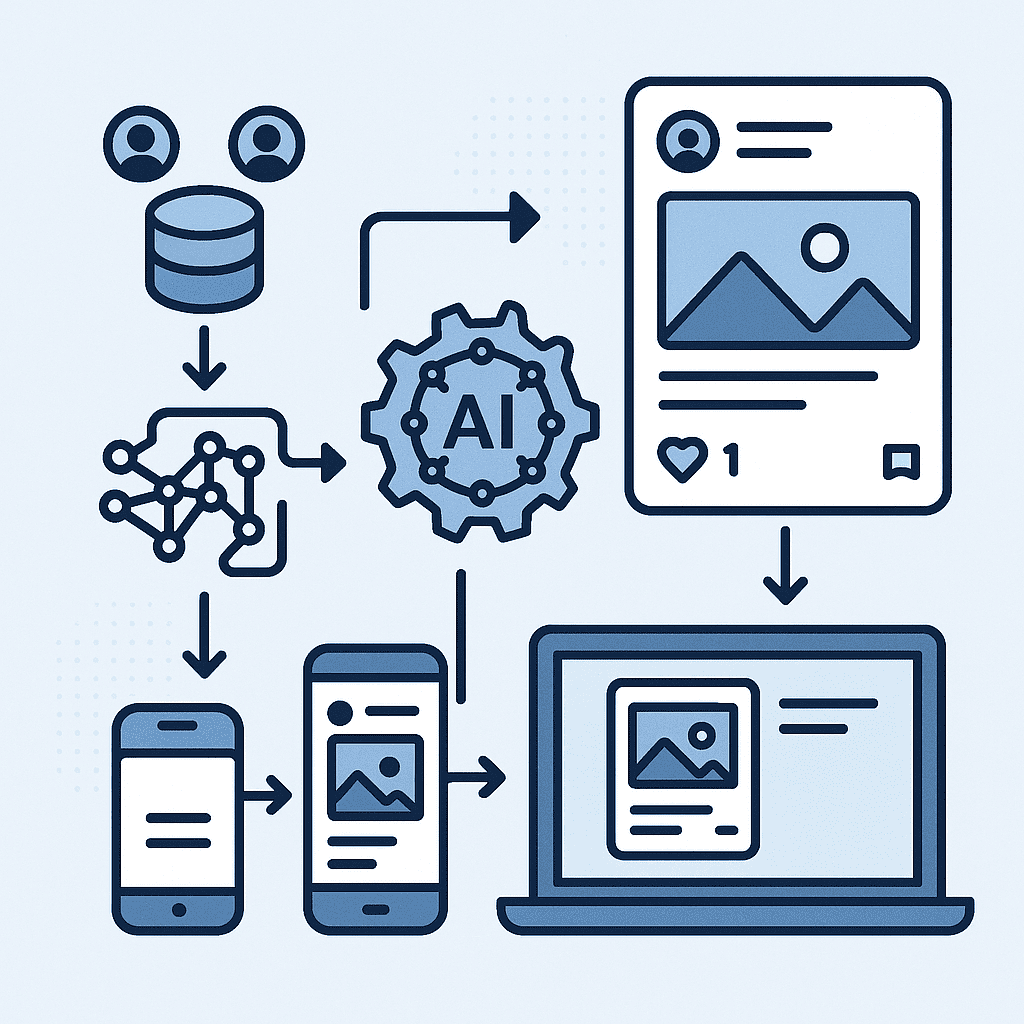
One of the most profound changes in online engagement is the influence of AI and algorithms. Social media platforms are continually refining their algorithms to prioritize content that is more likely to engage users. These algorithms analyze past user behavior to predict and display content that aligns with individual preferences. Consequently, brands need to create content that resonates with their target audience to stay visible in ever-changing feeds.
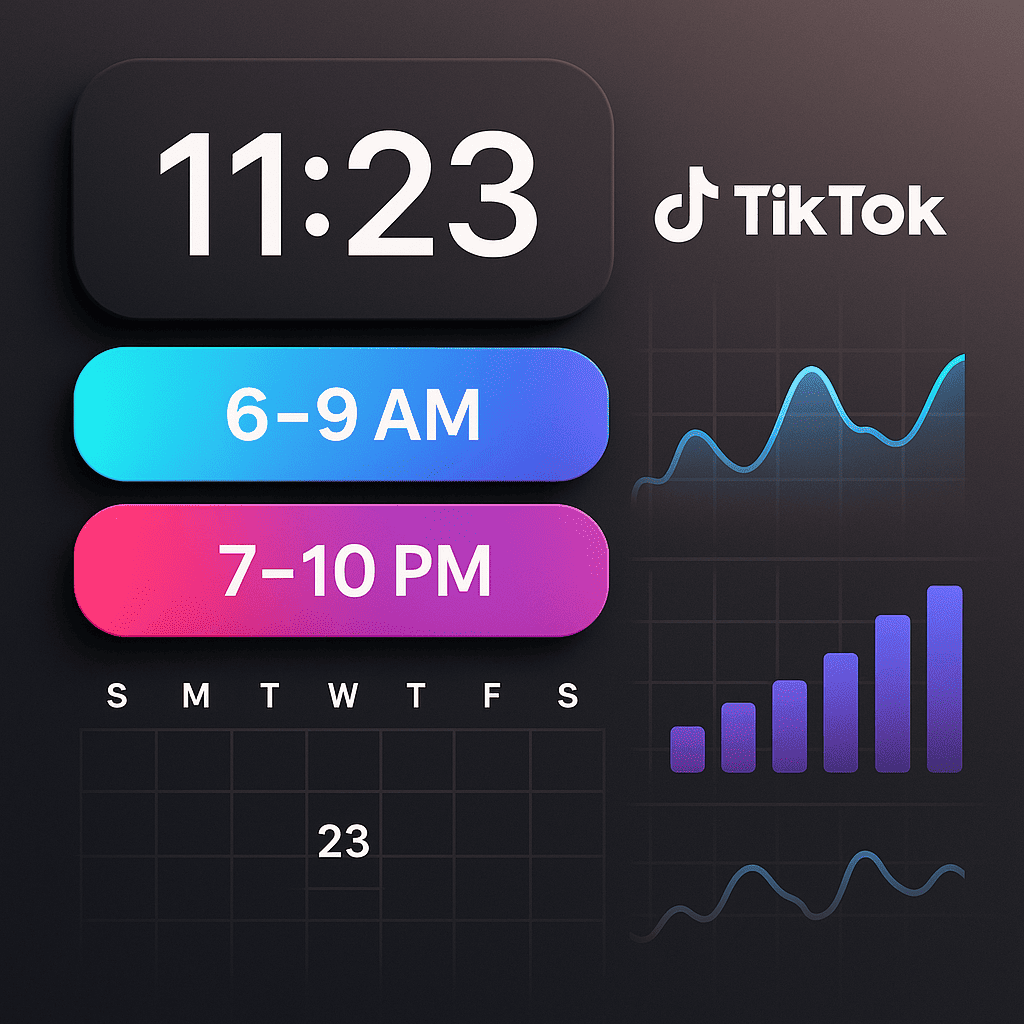
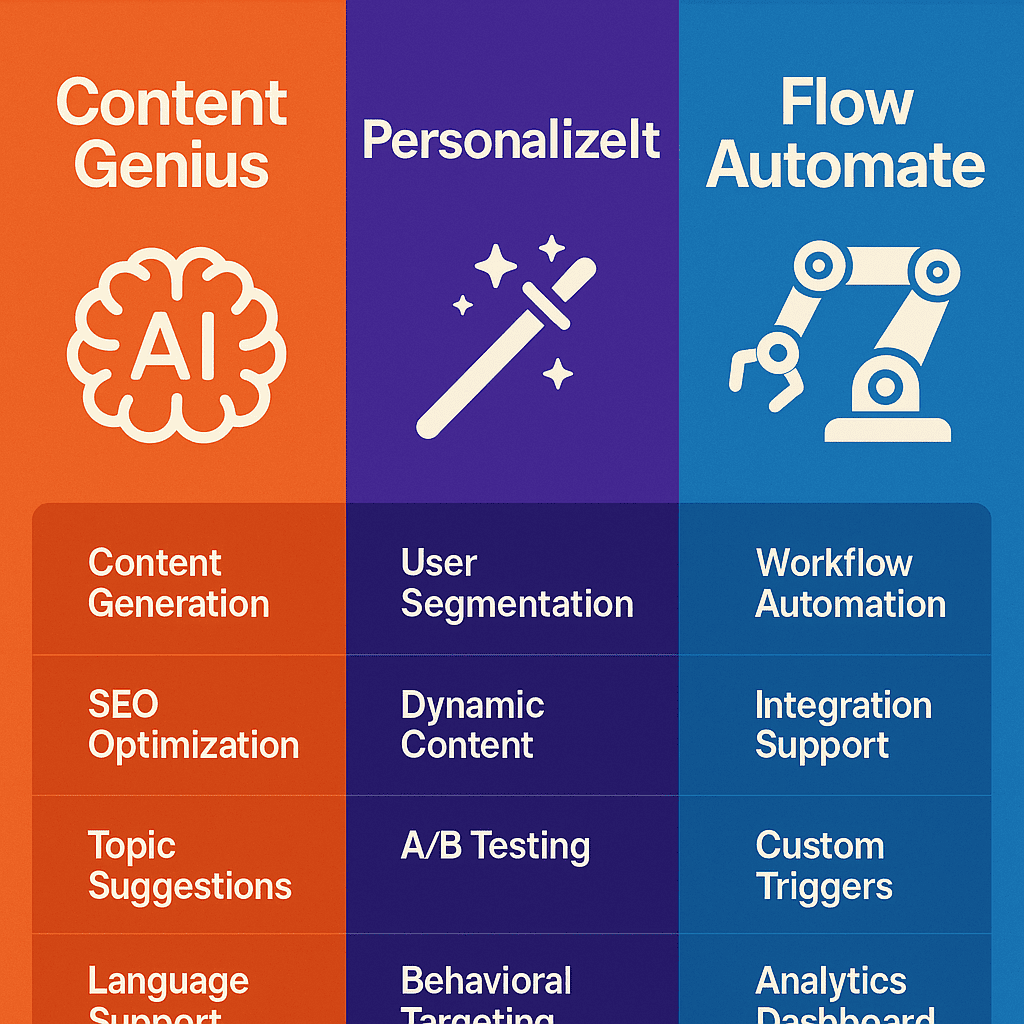
Moreover, AI-driven tools are helping brands and influencers optimize their content strategies. By analyzing vast amounts of data, these tools provide insights into optimal posting times, trending topics, and user sentiment. This means that the impact of AI on social media engagement is not just about visibility but also about creating more relevant and personalized content.
For more insights on leveraging Instagram collaboration posts, check out our detailed guide here.
Social Media Advertising Spend and ROI
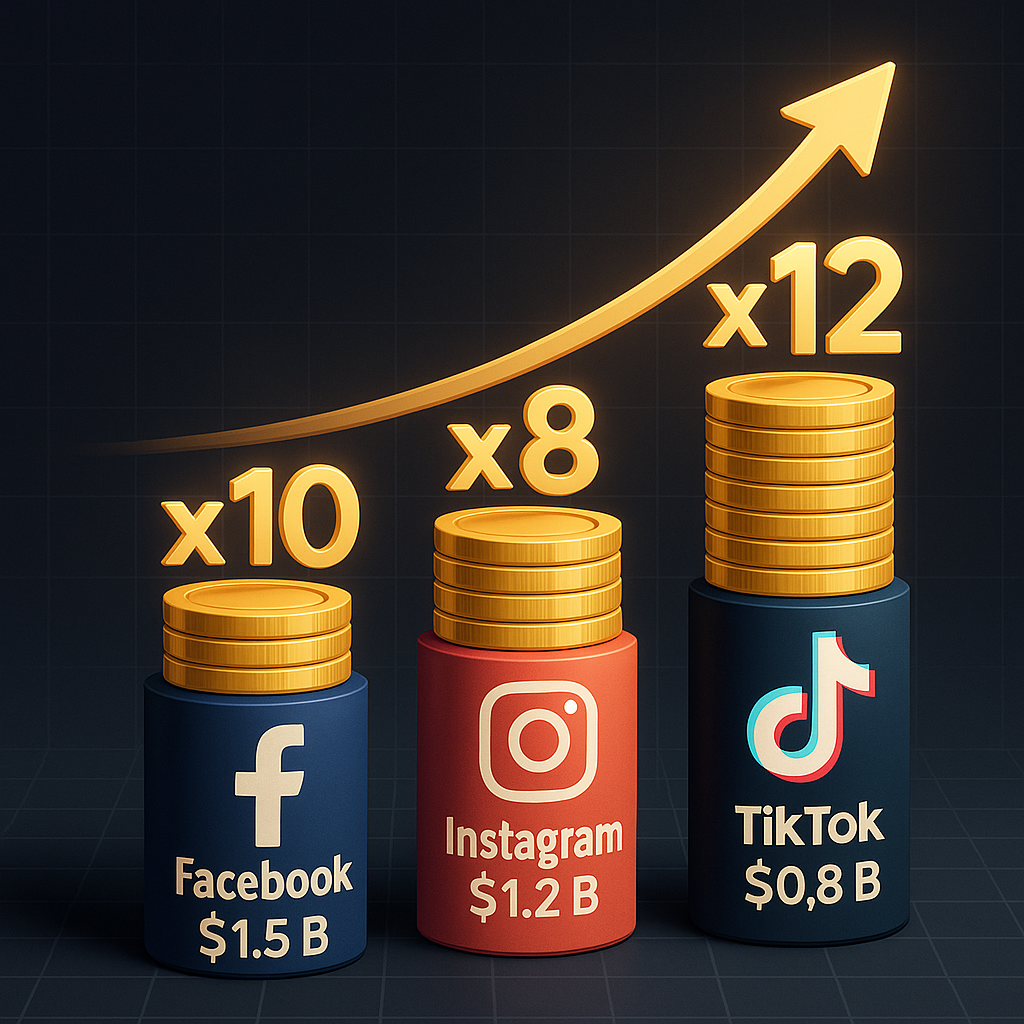
As we delve into the realm of social media advertising Australia, it’s crucial to understand the evolving trends in advertising spend and how businesses can maximize their return on investment (ROI). Recent data reveals that companies are increasingly allocating larger portions of their marketing budgets to social media platforms, recognizing the unparalleled reach and engagement they offer.
In Australia, the annual advertising spend on social media is projected to surpass AUD 4 billion by 2025. This surge is driven by the growing number of active users and the sophisticated targeting capabilities that platforms like Facebook, Instagram, and TikTok provide. Brands are keenly aware that a well-strategized social media campaign can yield significant returns, but measuring and benchmarking this ROI is equally important to ensure the effectiveness of their investments.
Understanding ROI metrics helps businesses refine their campaigns, ensuring each dollar spent translates into tangible results.
To quantify ROI, businesses often look at metrics such as cost per click (CPC), conversion rates, and customer acquisition costs (CAC). These benchmarks vary across industries, but generally, a higher ROI indicates a successful campaign. For instance, e-commerce brands might focus on conversion rates and revenue generated, while B2B companies may prioritize lead generation and engagement rates.
Effective advertising strategies can significantly impact ROI. Leveraging data-driven insights to target the right audience, crafting compelling ad creatives, and continuously optimizing campaigns based on performance metrics are essential practices. Additionally, integrating user-generated content and collaborating with influencers can enhance authenticity and drive higher engagement.
| Platform | Advertising Spend (AUD) | Average ROI |
|---|---|---|
| 1.5 billion | 10x | |
| 1.2 billion | 8x | |
| TikTok | 0.8 billion | 12x |
For more insights on effective strategies, including TikTok advertising strategies, explore our dedicated resources.
Future Projections and Expert Insights

As we look ahead, the landscape of social media is poised for significant transformation. Over the next five years, several key future projections are anticipated to shape the digital marketing trends, and understanding these will be crucial for staying ahead of the curve.
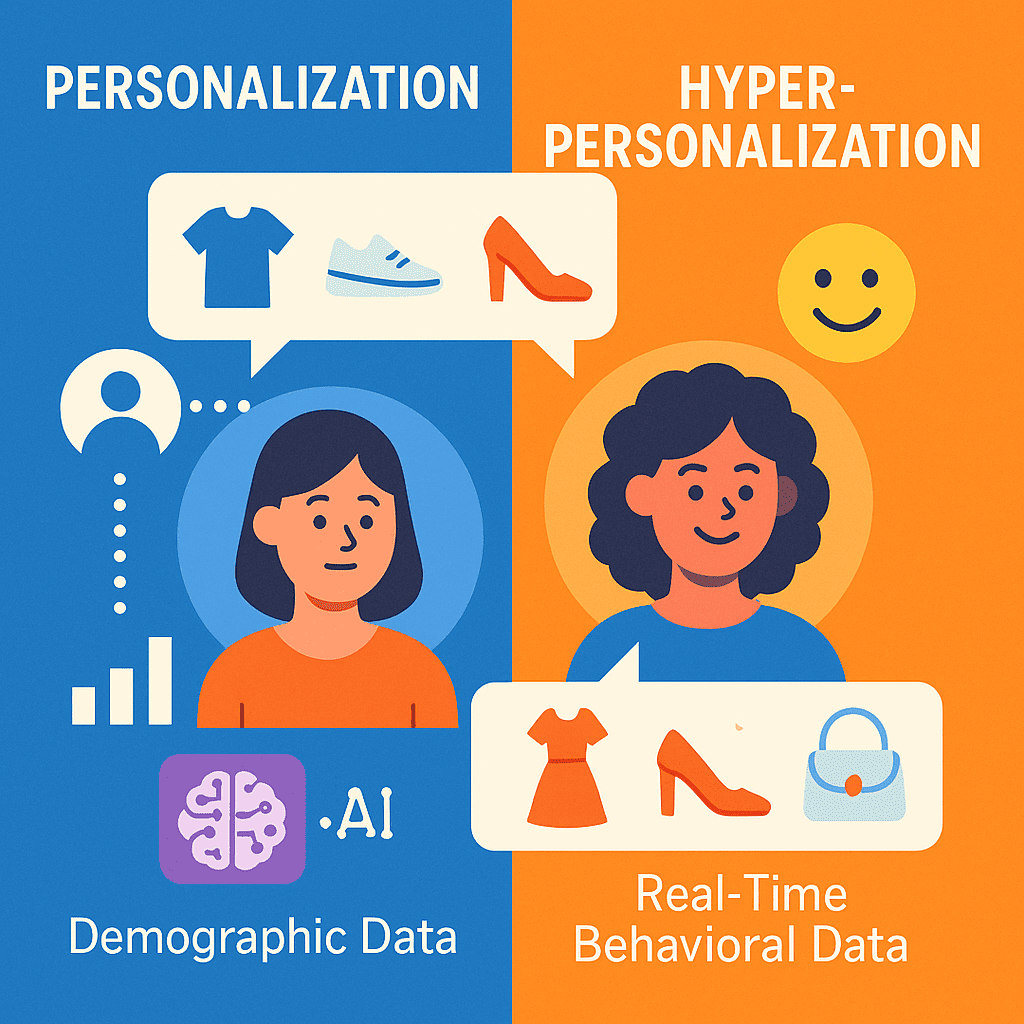
Firstly, the rise of artificial intelligence and machine learning is expected to revolutionize how content is curated and delivered to users. Experts predict that social media platforms will increasingly leverage AI to offer hyper-personalized experiences, making the content more relevant and engaging for each user.
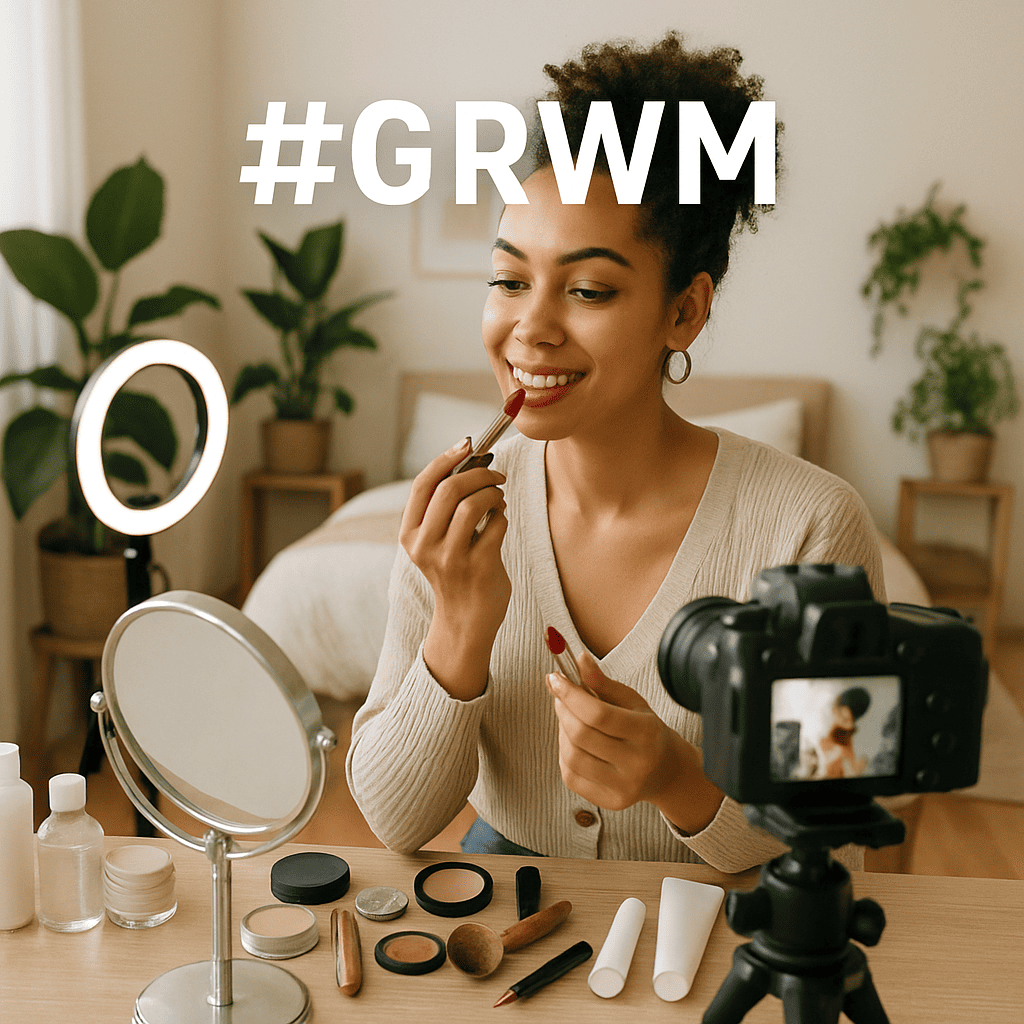
Additionally, the integration of augmented reality (AR) and virtual reality (VR) is set to create more immersive social media experiences. Imagine virtual try-ons for eCommerce or interactive AR filters becoming the norm. These advancements will not only enhance user engagement but also open new avenues for GRWM trend insights and digital marketing strategies.
From an expert standpoint, thought leaders like Jane Doe, a renowned digital strategist, emphasize the importance of adapting to these technological shifts. In her view, “Digital marketers must stay agile and continuously innovate, leveraging new technologies to connect with their audiences in meaningful ways.”
“The future of social media is not just about new features; it’s about creating deeper connections through technology.” – John Smith, Social Media Analyst
For digital marketers, staying informed about these expert insights and future trends is imperative. Here are some actionable steps to consider:
- Invest in AI Tools:
- Utilize AI-driven analytics and content creation tools to streamline your marketing efforts and enhance personalization.
- Explore AR and VR:
- Experiment with AR and VR to create unique and immersive marketing campaigns that capture your audience’s imagination.
- Stay Educated:
- Regularly follow industry experts and thought leaders to keep abreast of the latest trends and insights.
These proactive measures will ensure that you are well-prepared to navigate the evolving digital landscape. For more detailed expert perspectives on the future of social media, check out this comprehensive analysis.
Frequently Asked Questions about Social Media Statistics Shaping Australia’s Digital Landscape in 2025
What is the current number of social media users in Australia?
As of the latest data, Australia boasts approximately 21 million social media users. This figure represents a significant portion of the population, highlighting the country’s high engagement levels with social platforms. Over recent years, the user base has grown steadily, with a notable increase of around 1 million users annually. This growth trend underscores the expanding digital landscape and the increasing importance of social media in everyday Australian life.
Which social media platforms are most popular in Australia?
In Australia, the top social media platforms by user numbers are Facebook, Instagram, and TikTok. Facebook leads the pack with millions of active users, making it a staple for both personal and business interactions. Instagram follows closely, particularly popular among younger demographics who are drawn to its visually rich content.
When it comes to engagement metrics, TikTok stands out with its high user interaction rates, thanks to its short-form video content that encourages frequent and extended usage. Facebook, while slightly less engaging among the younger crowd, maintains high engagement levels through groups and community-focused features. Instagram, on the other hand, excels in engagement through its Stories and Reels, which keep users coming back for more.
How much time do Australians spend on social media?
Australians are avid social media users, averaging around 1 hour and 46 minutes per day on various platforms. This time is spent scrolling through feeds, engaging with content, and connecting with friends and family.
Interestingly, this average daily usage is quite close to the global average, which is approximately 2 hours and 24 minutes per day. While Australia falls slightly below the global figure, the difference is not significant, highlighting a strong engagement with social media akin to the global trend.
What are the key trends in social media advertising in Australia?
Australia’s current advertising spend reveals a significant investment in social media platforms. Brands are increasingly allocating larger portions of their marketing budgets to social media, recognizing the high return on investment and audience engagement these platforms offer.
Effective advertising strategies in Australia focus on leveraging influencer partnerships, creating interactive content, and utilizing data-driven targeting to reach specific demographics. These methods ensure that campaigns are not only seen but also resonate deeply with the target audience, driving higher engagement rates and conversions.
How can businesses optimize their social media strategies for 2025?
To stay ahead in 2025, businesses need to embrace actionable tips and best practices that capitalize on emerging trends. Firstly, focus on creating personalized content. Customers crave tailored experiences, and leveraging data analytics can help craft messages that resonate more deeply. Secondly, embrace video content. With the rise of platforms like TikTok and Instagram Reels, short-form videos have become a powerful engagement tool. Lastly, stay agile and adaptable. Social media landscapes evolve rapidly, so continuously experimenting and adapting your strategy will keep your brand relevant and engaging.
Conclusion
The social media statistics shaping Australia’s digital landscape in 2025 reveal a dynamic and evolving environment. Key trends highlight significant shifts in demographic engagement, with younger generations driving much of the change. As these trends continue, it’s clear that staying informed and adaptable will be crucial for marketers. Future projections suggest an even greater emphasis on personalized content and real-time engagement.
For marketers, the actionable insights are clear: understand your audience’s preferences, leverage data-driven strategies, and remain flexible to adapt to new trends. By doing so, businesses can harness the full potential of social media and maintain a competitive edge in the ever-changing digital landscape.