
As we dive into the world of User-Generated Content (UGC) creators, it’s essential to understand how this landscape has evolved and what it means for the future. UGC creators are individuals who produce content, such as videos, photos, reviews, and blogs, without being paid by brands directly. This content is often more authentic and relatable compared to traditional influencer promotions.
The rise of UGC creators in 2025 is a testament to the increasing value placed on genuine, grassroots-level content. Unlike traditional influencers who often have large followings and are compensated for endorsements, UGC creators generate content because of their passion and personal experiences with the products or services. This shift has been driven by consumer demand for more authenticity and transparency in marketing.
One of the significant benefits for brands using UGC creators is the enhanced trust and credibility it brings. Consumers are more likely to trust recommendations from real users rather than paid endorsements. This can lead to higher engagement rates and more organic reach. Additionally, UGC can be a cost-effective marketing strategy, providing brands with a wealth of content without the high costs associated with traditional influencer marketing.
Looking ahead, the trend of UGC creators is expected to continue growing. Brands will likely invest more in strategies to encourage and leverage UGC, recognizing its power in building authentic connections with their audience. Future trends may include more sophisticated tools for curating and showcasing UGC, as well as stronger community-building efforts to foster loyal brand advocates.
Building upon the rise of UGC creators in 2025, it’s important to understand what exactly a UGC creator is and how they differ from general users. User-generated content (UGC) creators are individuals who produce and share content such as photos, videos, reviews, and blog posts that highlight their experiences with various products and services. This content is typically shared on social media platforms, blogs, and other digital channels.

Unlike general users who might occasionally share their thoughts or experiences online, UGC creators are more consistent and intentional in their content production. They often have a specific niche or area of interest, and their content is highly relatable and authentic. This authenticity is what makes UGC so valuable to brands looking to connect with their audience in a genuine way.
Examples of UGC content include:
- Photos of a new outfit shared on Instagram with a personal review
- Unboxing videos showcasing the features of a new gadget on YouTube
- Detailed blog posts about travel experiences and tips
- Customer reviews and ratings on e-commerce websites
For a deeper understanding of UGC creators, check out our detailed guide.
One key difference between UGC creators and traditional influencers is the scale and nature of their influence. While influencers often have a large following and work with brands in a more commercial capacity, UGC creators may not necessarily have a massive audience. However, their content is perceived as more trustworthy and relatable because it originates from genuine user experiences.
To learn more about the impact of user-generated content, refer to this high-quality study on the definition and impact of UGC.
Understanding the distinction and value of UGC creators is crucial for brands looking to leverage the power of user-generated content in 2025. Next, we’ll explore the differences between UGC creators and traditional influencers in more detail.
Building on our introduction to UGC creators, it’s essential to understand why 2025 is a pivotal year for user-generated content (UGC). The rise of UGC creators in 2025 is not just a trend but a significant shift in the digital landscape.

Statistics on UGC Growth
The growth of UGC has been nothing short of remarkable. Recent studies indicate that UGC will account for over 50% of all content consumed on social media platforms by 2025. This surge is reflective of the increasing preference for authentic and relatable content among users. For instance, platforms like Instagram and TikTok have reported a 30% increase in user engagement with UGC posts compared to branded content.
Factors Driving the Rise
Several factors are fueling the rise of UGC creators in 2025. Firstly, the shift towards authenticity in marketing has made UGC more appealing. Consumers today seek genuine experiences and reviews from real people rather than polished advertisements. Additionally, advancements in technology, such as high-quality smartphone cameras and user-friendly editing tools, have empowered more individuals to create and share content. Social media algorithms also favor UGC, giving it more visibility and reach.
Impact on Social Media and E-commerce
The impact of UGC on social media and e-commerce is profound. On social media, UGC fosters community and engagement, driving higher interaction rates. Brands leveraging UGC see increased trust and loyalty from their audiences. In e-commerce, UGC, such as customer reviews and unboxing videos, significantly influences purchasing decisions. According to a recent study by Deloitte, 79% of consumers say UGC highly impacts their buying choices.
As we delve deeper into the dynamics of UGC creators, it’s important to stay updated on the platforms where UGC is thriving. Learn more about the top social media platforms where UGC is thriving.
Next, we will explore the distinctions between UGC creators and traditional influencers and how these differences shape marketing strategies.
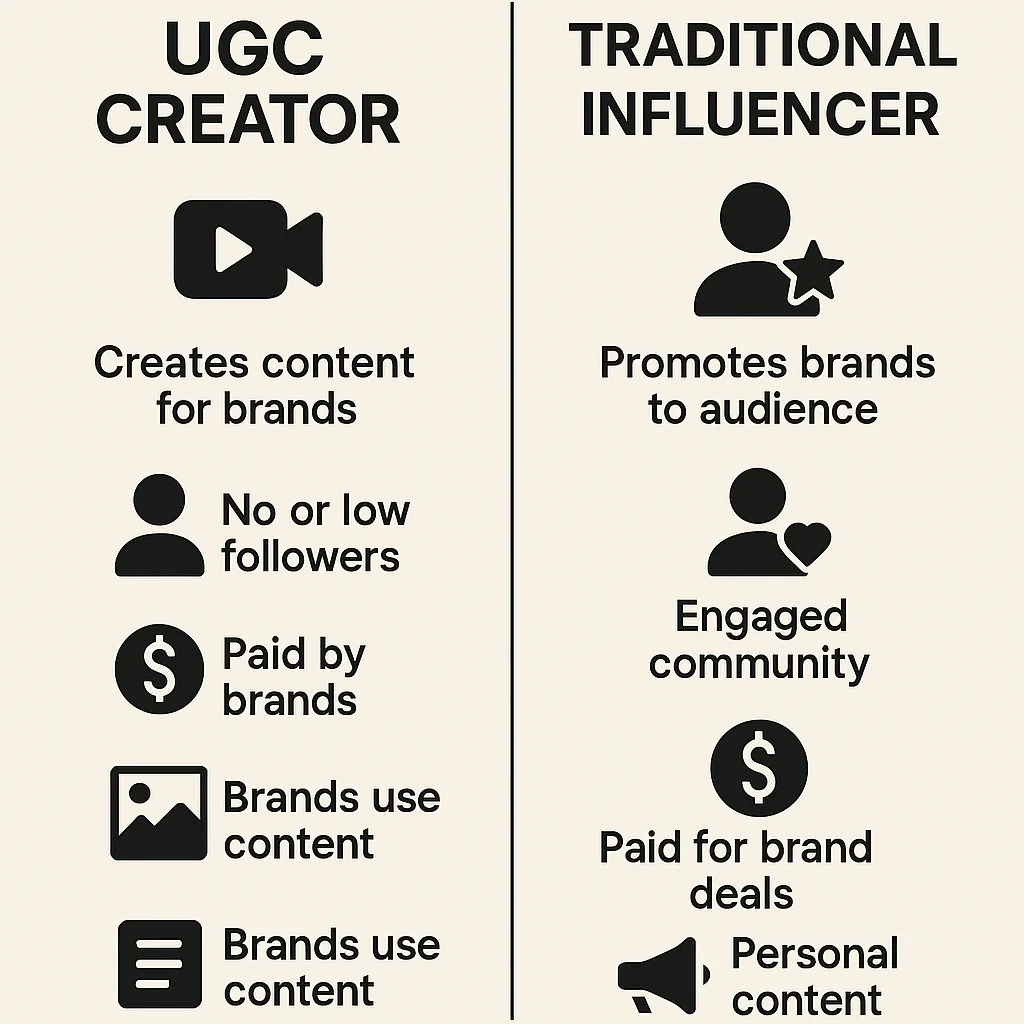
Building on the explosive growth of UGC creators in 2025, it’s essential to understand how these new-age content creators compare to traditional influencers. The landscape of content creation has evolved dramatically, and the differences between UGC creators and traditional influencers are noteworthy.
Key Differences in Content Creation
One of the primary distinctions in the UGC vs influencers debate lies in the nature of content creation. Traditional influencers typically create polished, brand-aligned content that often resembles professional advertising. In contrast, UGC creators focus on generating authentic, grassroots content that resonates more naturally with their audience. This shift towards authenticity helps brands connect with consumers on a more personal level.
Authenticity and Audience Engagement
Authenticity is a critical factor where UGC creators outshine traditional influencers. UGC creators often produce content that feels genuine and relatable, fostering a deeper sense of trust and connection with their audience. This enhanced engagement is vital for brands looking to build a loyal customer base. Micro-influencers, a subset of UGC creators, are particularly effective in this regard due to their niche focus and highly engaged followers.
Cost-Effectiveness for Brands
When it comes to budget considerations, UGC creators offer a more cost-effective solution for brands. Traditional influencers often command high fees for their services, which can be prohibitive for smaller companies. UGC creators, on the other hand, typically operate with lower costs, making them an attractive option for businesses looking to maximize their marketing ROI. Additionally, leveraging UGC can lead to a higher volume of content, providing more opportunities for brands to connect with their audience.
For a more in-depth comparison and to discover why UGC creators are becoming more valuable than traditional influencers, click here. Furthermore, studies have shown the effectiveness of UGC in engaging audiences compared to traditional influencer marketing. For detailed insights, visit this comprehensive guide.
After understanding the key differences between UGC creators and traditional influencers, it becomes evident why brands are increasingly leaning towards user-generated content. Let’s delve into the specific benefits of UGC creators for brands that are driving this shift.

Increased Authenticity and Trust
One of the most compelling benefits of UGC is the heightened sense of authenticity it brings. Since UGC creators are everyday consumers, their content resonates more deeply with audiences, fostering a stronger sense of trust. People tend to trust recommendations from peers over traditional advertisements, making authentic marketing a powerful tool for brands.
Higher Engagement Rates
UGC often leads to higher engagement rates compared to branded content. Users are more likely to interact with content that feels genuine and relatable. This increased engagement not only boosts brand visibility but also enhances the overall customer experience. By leveraging UGC, brands can foster a community of engaged and loyal customers.
Cost Savings
Another significant advantage is the potential for cost savings. Engaging with UGC creators is typically more cost-effective than partnering with high-profile influencers or producing professional marketing campaigns. This allows brands to allocate their budget more efficiently, investing in other critical areas of their marketing strategy.
Scalability of Content
UGC provides a scalable content solution. Brands can gather a vast amount of content from various creators, making it easier to maintain a consistent and diverse online presence. This scalability ensures that there is always fresh content available to share across different channels. To understand how to optimize UGC for different social media platforms, you can read more here.
In conclusion, the benefits of UGC creators extend well beyond mere cost savings. They offer a unique blend of authenticity, engagement, and scalability that traditional marketing methods often lack. For further insights on how brands have successfully harnessed the power of UGC creators, visit this resource.
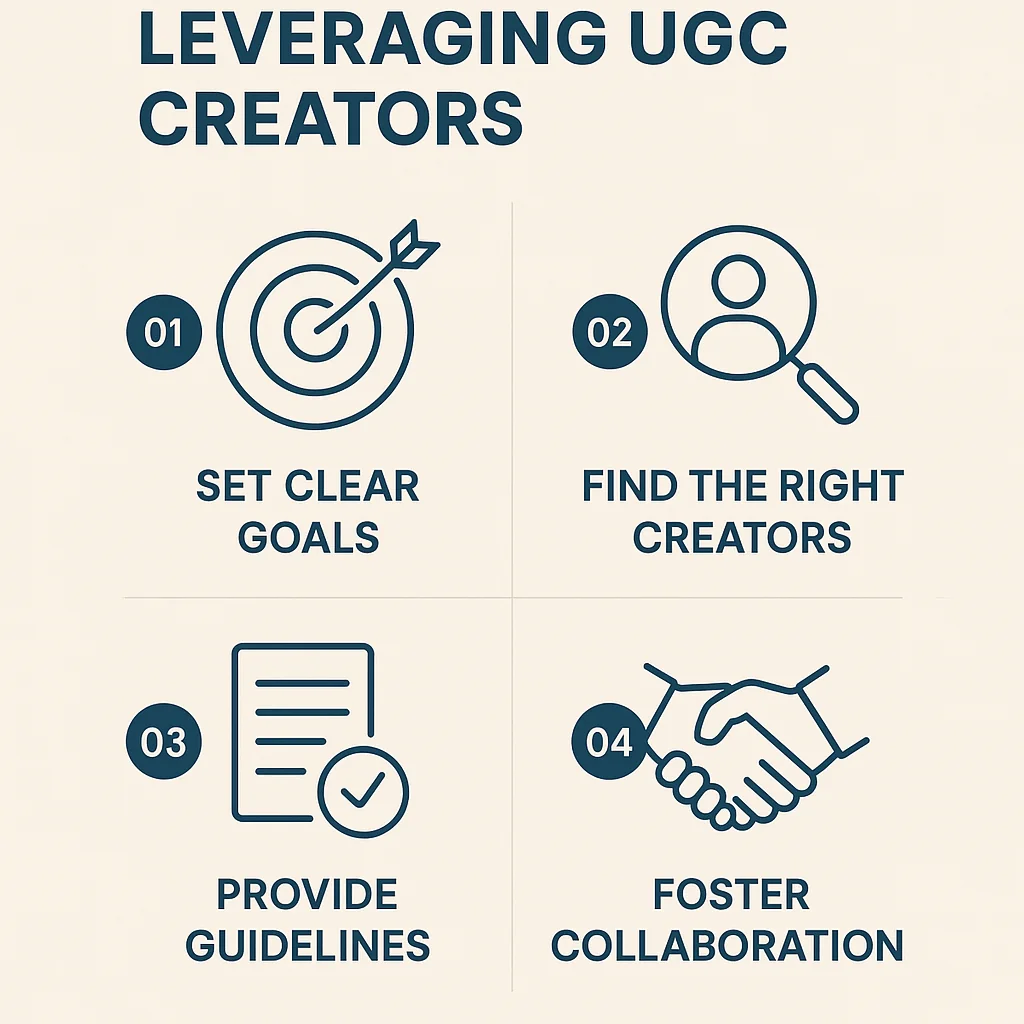
Building on the numerous benefits brands can gain from using UGC creators, it’s essential to understand how to effectively leverage these creators to maximize your marketing efforts. Here are some best practices to consider:
Identifying the Right UGC Creators
Finding the right UGC creators is the cornerstone of any successful UGC marketing strategy. Begin by researching creators who resonate with your brand values and have a genuine connection with your target audience. Look for creators who produce high-quality content and have a strong engagement rate. Tools like social media analytics can help you identify potential UGC creators who align with your brand.
Creating a UGC Strategy
Developing a comprehensive UGC strategy is crucial. Start by setting clear goals for what you want to achieve with UGC. Whether it’s increasing brand awareness, driving engagement, or boosting conversions, having specific objectives will guide your efforts. Next, outline the types of content you want, such as reviews, tutorials, or unboxings. Provide clear guidelines to UGC creators to ensure the content aligns with your brand’s voice and style.
For more detailed guidance on building an effective UGC strategy, explore this comprehensive guide.
Measuring Success
To gauge the effectiveness of your UGC marketing strategies, it’s important to measure success using key performance indicators (KPIs). Track metrics such as engagement rates, click-through rates, and conversions to understand the impact of UGC on your overall marketing goals. Regularly analyze this data to refine your strategy and optimize future campaigns.
Ensuring Authenticity and Quality
Authenticity is vital when working with UGC creators. Encourage creators to share genuine experiences and honest opinions about your products or services. This builds trust with your audience and enhances the credibility of your brand. Additionally, ensure that the content maintains a high level of quality by providing creators with clear guidelines and constructive feedback.
Learn how to protect your UGC content with watermarks to maintain its integrity and prevent unauthorized use.
By following these best practices, brands can effectively harness the power of UGC creators to drive engagement, build trust, and achieve their marketing objectives.
Building on the best practices for leveraging UGC creators, let’s now delve into concrete examples that illustrate the power of user-generated content in action. In this section, we’ll explore two prominent case studies that highlight successful UGC campaigns in 2025 and the valuable lessons they offer.

Case Study 1: Brand X
Brand X, a leading fashion retailer, launched a UGC campaign to promote their new summer collection. They encouraged customers to share photos of themselves wearing Brand X apparel on Instagram, using the hashtag #BrandXStyle. The campaign quickly gained traction, with thousands of users participating and sharing their unique styles. This not only increased brand visibility but also fostered a sense of community among Brand X’s customers.
One of the key factors in the success of this campaign was Brand X’s proactive engagement. They featured the best user-generated content on their official Instagram page and website, giving participants a sense of recognition and encouraging more users to join in. The campaign significantly boosted the brand’s social media following and drove a 20% increase in sales during the promotion period.
Case Study 2: Brand Y
Brand Y, a tech company, implemented a UGC campaign to celebrate the launch of their latest gadget. They asked customers to create short videos demonstrating how they use the new product in their daily lives and share them on TikTok with the hashtag #TechLifeY. The campaign went viral, with hundreds of creative and authentic videos flooding the platform.
Brand Y’s approach was to collaborate with micro-influencers to kickstart the campaign and amplify its reach. By leveraging the power of relatable and authentic content created by real users, Brand Y managed to build trust and authenticity around their new product. The campaign resulted in a 35% uptick in engagement on their social media channels and a notable increase in pre-orders.
Lessons Learned
From these successful UGC campaigns in 2025, several key lessons emerge:
- Engagement and Recognition: Actively engaging with users and recognizing their contributions can significantly enhance the campaign’s impact.
- Hashtag Strategy: Creating a unique and memorable hashtag helps in tracking and promoting user-generated content effectively.
- Collaboration with Micro-Influencers: Partnering with micro-influencers can boost the campaign’s initial momentum and reach.
- Authenticity: Authentic content resonates more with audiences, building trust and fostering genuine connections with the brand.
For further insights on how to craft impactful UGC campaigns, explore these in-depth case studies.
Leave a Reply