Social Media Statistics Shaping America’s Digital Landscape in 2025
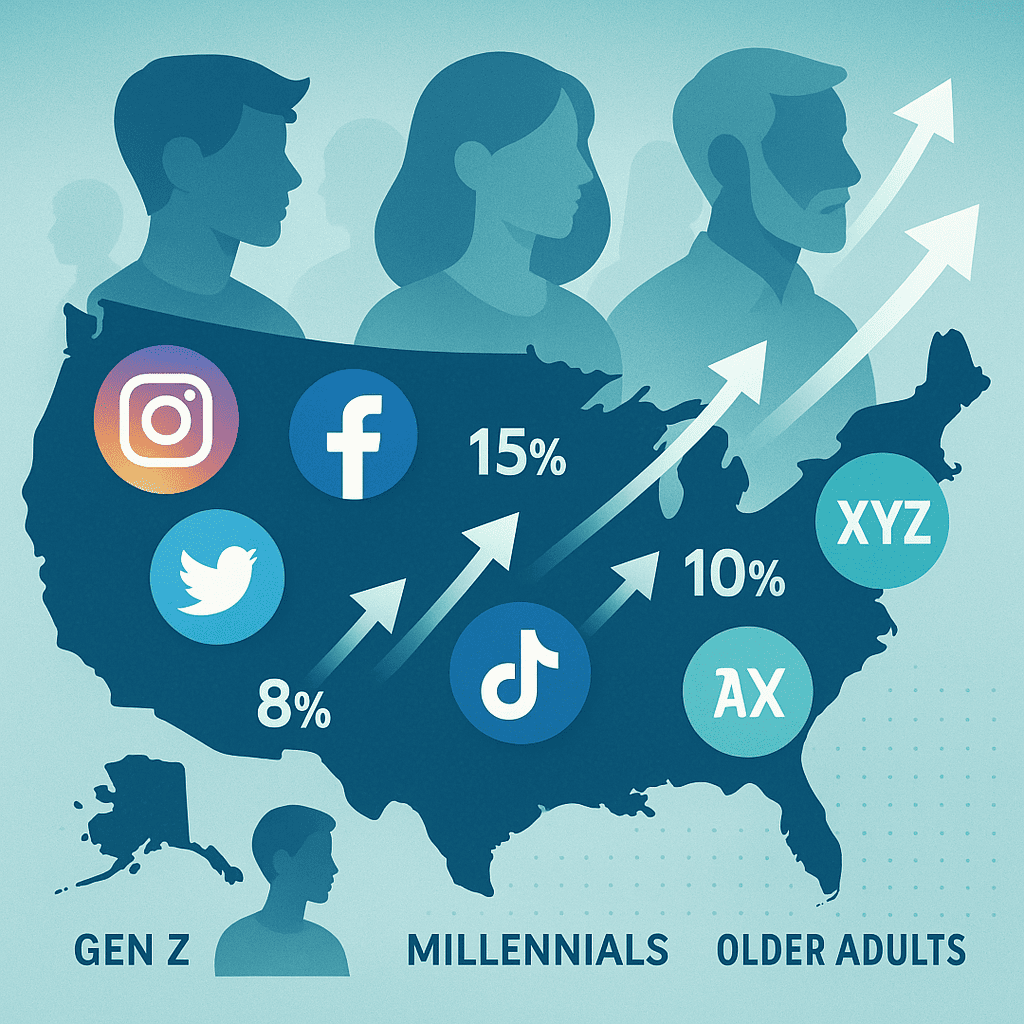
As we look ahead to 2025, the evolution of social media usage in the USA continues to be both dynamic and transformative. With new platforms emerging and existing ones evolving, the landscape is more diverse and engaging than ever. Key statistics and trends for 2025 highlight the growing importance of video content, the rise of niche communities, and the increased focus on privacy and user control.
For businesses, understanding these trends is crucial. Leveraging the insights from these statistics can help companies tailor their strategies to better connect with their audiences, optimize content for engagement, and drive growth. By staying ahead of these trends, businesses can not only remain relevant but also thrive in the ever-changing digital world.
Overview of Social Media Landscape in 2025

The social media landscape in 2025 is shaping up to be a dynamic and ever-evolving realm, marked by significant digital trends and shifting user demographics. As we delve into the upcoming changes, it’s essential to understand the general growth trends, key demographic shifts, and the emergence of new platforms that are poised to make a substantial impact.
“By 2025, social media usage is projected to reach unprecedented levels, driven by technological advancements and changing user behaviors.” – Digital Trend Analysts
The general growth trends indicate that social media usage will continue to surge. With the integration of more immersive technologies like virtual reality (VR) and augmented reality (AR), platforms are becoming more engaging and interactive. This evolution is not only expanding the user base but also enhancing the depth of user engagement.
Key demographic changes are also worth noting. Younger generations, particularly Gen Z and Millennials, are expected to dominate social media usage, leveraging these platforms for both personal and professional purposes. Meanwhile, older demographics are gradually increasing their presence, driven by a growing comfort with digital communication and the desire to stay connected.
| Platform | 2025 Growth Rate | Dominant Demographic |
|---|---|---|
| 15% | Gen Z | |
| 8% | Millennials | |
| 10% | Gen Z | |
| New Platform XYZ | 20% | Gen Z & Millennials |
As new emerging platforms enter the scene, their impact cannot be underestimated. Platforms like XYZ are gaining traction rapidly, offering unique features that cater to the evolving preferences of users. These platforms are not only diversifying the social media ecosystem but also pushing established players to innovate continually.
Comparative data across different social media platforms highlights how each platform is adapting to these trends. For instance, Instagram analytics tools are evolving to provide deeper insights into user behavior, aiding businesses in targeting their content more effectively.
Stay ahead of the curve by exploring the latest social media usage report for detailed insights and projections.
Key Social Media Statistics Shaping America’s Digital Landscape in 2025
As we delve into the dynamic world of social media in 2025, understanding key social media statistics is paramount. Let’s explore the numbers that define user growth, engagement metrics, and content consumption patterns to unveil actionable insights for your strategy.
User Growth Statistics
The social media user base continues to expand at an impressive rate. By 2025, it is estimated that there will be over 4.5 billion social media users globally. Platforms like TikTok and Instagram are leading the charge, with user growth rates of 25% and 20% respectively over the past year. This surge is driven by the increasing accessibility of the internet and the growing influence of social media in everyday life.
Engagement Metrics
Engagement metrics provide a window into how users interact with content. In 2025, the average engagement rate across major platforms is expected to be around 3.5%. Notably, TikTok boasts the highest engagement rates, with users spending an average of 95 minutes per day on the app. Instagram follows with users engaging for approximately 60 minutes daily. Understanding these engagement metrics is crucial for tailoring content that resonates with your audience.
Content Consumption Patterns
Content consumption patterns are evolving, with a marked shift towards short-form video content. In 2025, video will account for 82% of all internet traffic, highlighting the growing preference for video content over traditional posts. Platforms like YouTube and TikTok dominate this space, but Instagram Reels and Facebook Stories are also gaining traction. This shift necessitates a focus on creating engaging video content to capture and retain audience attention.
For more detailed strategies on leveraging these statistics, check out our comprehensive guide on Instagram growth strategies.
| Platform | User Growth Rate | Average Engagement Rate | Average Daily Usage |
|---|---|---|---|
| TikTok | 25% | 5% | 95 minutes |
| 20% | 3.5% | 60 minutes | |
| 10%</ | 2.8% | 58 minutes |
These statistics not only highlight the importance of adapting to current trends but also provide a roadmap for where to invest your efforts for maximum impact. For a deeper dive into these trends, consider reviewing the latest comprehensive social media statistics report.
Impact of AI and Emerging Technologies on Social Media
AI in social media is revolutionizing the way brands interact with their audiences. With the ever-evolving landscape of digital marketing, understanding the role of AI and emerging technologies is crucial for staying ahead of the curve.
Role of AI in Content Curation
AI-driven algorithms are now at the forefront of content curation on social media platforms. These algorithms analyze user behavior, preferences, and interactions to serve personalized content. This not only enhances user experience but also increases engagement rates. For instance, when you scroll through Instagram and see posts that resonate with your interests, that’s AI at work.
AI-Driven Engagement Strategies
AI is also pivotal in crafting engagement strategies. Chatbots, for example, are becoming more sophisticated, offering real-time customer support and personalized interactions. These tools use natural language processing to understand and respond to queries, making interactions seamless and efficient. Moreover, AI can analyze engagement data to identify the best times to post, optimal content formats, and even the most effective headlines to capture attention.
Emerging Technologies Shaping Social Media
Beyond AI, emerging technologies like augmented reality (AR) and virtual reality (VR) are transforming social media experiences. AR filters on platforms like Snapchat and Instagram offer interactive and immersive experiences, driving user engagement. Similarly, VR is paving the way for virtual social spaces where users can interact in a simulated environment, creating new avenues for digital marketing.
“AI and emerging technologies are not just trends; they are reshaping the future of social media and digital marketing, offering unprecedented opportunities for brands to connect with their audiences.” – Social Media Expert
As these technologies continue to evolve, staying informed and adaptable is key. For a deeper dive into practical applications, check out our guide on Instagram collaboration posts and explore how AI can enhance your social media strategy.
Platform-Specific Insights for 2025
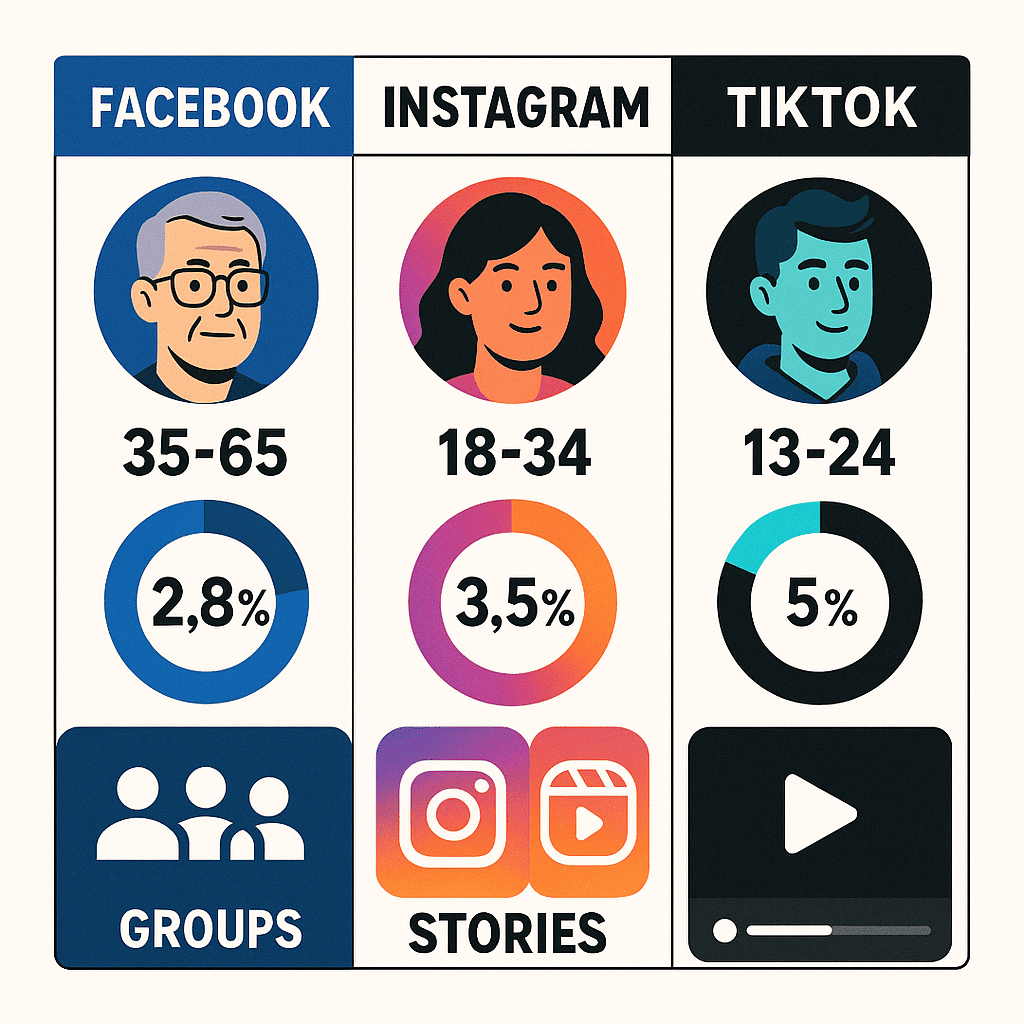
As we look forward to 2025, understanding the growth trends and user engagement across various social media platforms is crucial. Each platform presents unique opportunities and challenges, shaped by their distinct user demographics and behavior patterns.
“The dynamics of user engagement and growth on social media platforms will continue to evolve, driven by technological advancements and shifting user preferences.” – Social Media Expert
| Platform | Growth Trend | Engagement Metrics | Demographics |
|---|---|---|---|
| Steady, with a focus on older demographics | High user engagement through groups and events | Primarily ages 35-65+ | |
| Moderate growth, visual content focus | High engagement through Stories and Reels | Ages 18-34 dominate | |
| TikTok | Rapid growth, especially among Gen Z | Exceptional engagement via short-form videos | Primarily ages 13-24 |
Understanding these platform-specific insights can help you tailor your social media strategy effectively. For instance, Facebook’s steady growth among older demographics suggests a focus on community-building activities like groups and events. In contrast, TikTok’s explosive growth and high engagement metrics highlight the importance of leveraging viral, short-form content to capture the younger audience’s attention. As for Instagram, its visual-centric approach necessitates a strategy that emphasizes aesthetics and storytelling through TikTok trends and beyond.
For more detailed platform-specific usage statistics, refer to authoritative sources such as the latest industry reports.
Actionable Strategies for Businesses in 2025
As we step into 2025, adapting your marketing strategies to the latest trends is crucial. Whether you’re looking to enhance your social media strategies or leverage AI for better customer engagement, staying ahead of the curve can significantly contribute to your business growth.
Adapting Marketing Strategies
In the rapidly evolving digital landscape, businesses must constantly refine their marketing approaches. For instance, brands are now focusing on personalized customer experiences, using data analytics to understand and predict consumer behavior. By integrating interactive elements such as GRWM strategies into your campaigns, you can foster deeper connections with your audience.
Leveraging AI for Engagement
Artificial intelligence is no longer a futuristic concept; it’s a practical tool for enhancing customer engagement today. AI-driven chatbots, for example, provide real-time support and personalized recommendations, boosting customer satisfaction. Additionally, AI can analyze vast amounts of data to optimize your social media strategies, ensuring your content resonates with your target audience.
Industry-Specific Case Studies
Retail
Retail businesses leveraging AI to personalize shopping experiences have seen significant upticks in sales. One notable example is a fashion brand that utilized AI to offer style recommendations based on past purchases, resulting in a 20% increase in repeat customers.
Healthcare
In healthcare, AI tools are being used to streamline patient communication and provide tailored health advice, improving patient outcomes and operational efficiency. For instance, a clinic implemented an AI-powered appointment scheduler, reducing no-show rates by 30%.
By embracing these strategies and continuously evolving with the latest marketing trends, businesses can not only survive but thrive in the competitive market of 2025.
Frequently Asked Questions about Social Media Statistics Shaping America’s Digital Landscape in 2025
What are the most important social media statistics for 2025?
As we look ahead to 2025, several key social media statistics stand out. User growth trends indicate that platforms like TikTok and Instagram will continue to see significant increases in their user bases, especially among younger demographics. This shift in user preferences highlights the importance of staying current with platform popularity to reach target audiences effectively.
In terms of engagement metrics, time spent on social media is expected to rise, with users engaging more deeply through features such as live streams and interactive stories. These metrics underscore the need for businesses to create engaging and interactive content to maintain user interest and foster community.
Finally, content consumption patterns are evolving, with video content dominating the landscape. Short-form videos are particularly influential, capturing the attention span of users who prefer quick, digestible content. Brands that adapt to these consumption patterns by incorporating more video content will likely see higher engagement rates.
How has social media usage changed in the USA?
In recent years, social media usage in the USA has seen a significant uptick across various demographics. Not only are younger generations continuing their strong presence online, but older age groups are also increasingly engaging with platforms. This broadening appeal is reshaping how content is created and consumed.
Moreover, there has been a noticeable shift in platform popularity. While Facebook and Twitter maintain substantial user bases, platforms like TikTok and Instagram are rapidly gaining ground, especially among younger users. These shifts are influencing marketing strategies and the types of content that gain traction.
Speaking of content, preferences are evolving. Users are now more inclined towards short-form videos, live streams, and ephemeral content, which offer immediacy and engagement. This change is prompting creators and brands to adapt their approaches to meet these new demands.
What role does AI play in social media marketing?
AI is revolutionizing social media marketing through several key functions. One prominent role is content curation, where AI algorithms analyze user data to suggest relevant content, making feeds more engaging for users. Imagine scrolling through a platform and noticing that the posts align precisely with your interests—AI makes this possible.
Another critical area is personalized engagement. AI tools enable marketers to interact with their audience on a more personal level, tailoring messages and responses based on user behavior and preferences. This enhances user experience and fosters stronger brand loyalty.
Lastly, predictive analytics powered by AI offers invaluable insights. By analyzing past data, AI can forecast trends and behaviors, empowering marketers to make informed decisions and optimize their strategies effectively. This predictive power is akin to having a crystal ball, providing a competitive edge in the fast-paced world of social media.
Conclusion
As we look ahead, Social Media Statistics Shaping America’s Digital Landscape in 2025 reveal a dynamic and rapidly evolving environment. The integration of AI and other emerging technologies will significantly enhance user experiences, offering more personalized and interactive content than ever before.
Businesses must stay ahead of these trends by adopting actionable strategies that leverage the latest advancements. This includes utilizing AI-driven analytics to better understand their audience, creating immersive content using augmented reality, and engaging with consumers through innovative platforms.
Staying informed and adaptable is crucial. By embracing these changes, companies can build stronger connections with their audience and drive substantial growth in the digital age.
Leave a Reply