
As the digital marketing landscape evolves, brands are increasingly turning to user-generated content (UGC) creators instead of traditional influencers. Understanding the key differences between UGC creators and influencers is essential to grasp the reasons behind this shift.
UGC creators are everyday consumers who share authentic, unpaid content about products they love. Unlike influencers, who often receive compensation to promote products, UGC creators produce content based on genuine experiences and personal endorsements. This authenticity tends to resonate more with consumers, fostering trust and credibility.
Several factors contribute to brands’ preference for UGC. Firstly, UGC is often perceived as more trustworthy and relatable compared to influencer-generated content, which can sometimes appear staged or overly commercialized. Additionally, UGC tends to generate higher engagement rates, as audiences connect more deeply with real-life experiences shared by fellow consumers.
To effectively leverage UGC, brands should encourage their customers to share their experiences online, often through hashtags, contests, or social media campaigns. Highlighting this content on their own channels can amplify its impact, creating a sense of community and loyalty among consumers.
By embracing UGC, brands can build a more authentic connection with their audience, fostering long-term loyalty and driving better marketing outcomes.
As we explore why brands are flocking to UGC creators and leaving influencers behind, it’s essential to understand the foundations of both UGC and influencer marketing. These two concepts, although intertwined, have distinct characteristics and have evolved differently over time.
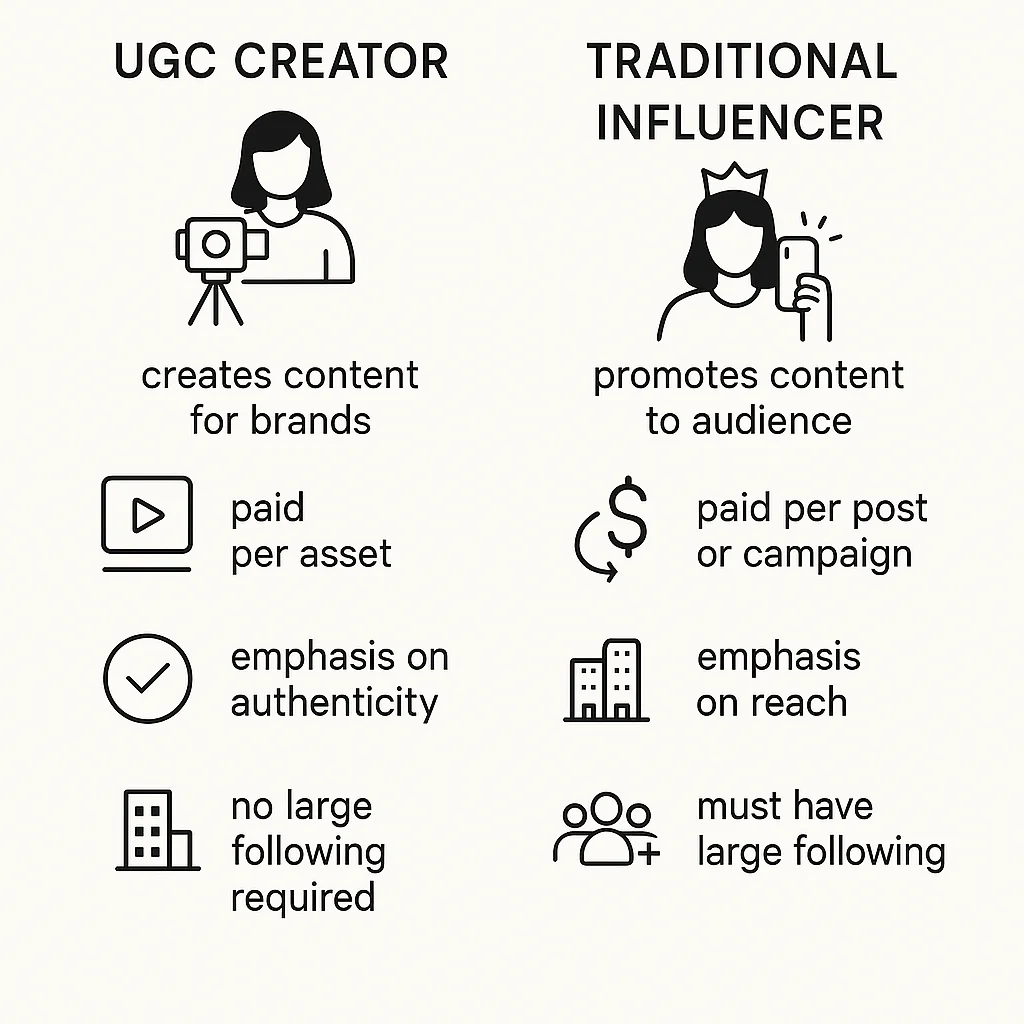
Definition of UGC Creators
User-generated content (UGC) creators are everyday consumers who create and share content that promotes a brand, often without any formal partnership. This content can range from social media posts, reviews, and videos to blogs. The authenticity and relatability of UGC creators make their content highly valuable for brands. They offer a grassroots perspective that resonates deeply with audiences, leading to increased trust and engagement.
Definition of Traditional Influencers
In contrast, traditional influencers are individuals with a substantial following on social media platforms who collaborate with brands to promote their products or services. These influencers can range from celebrities to niche experts and are often compensated for their endorsements. The influencer marketing landscape has grown significantly in recent years, with influencers becoming key players in digital marketing strategies.
Historical Context and Evolution
The journey from influencer marketing to UGC has been shaped by the changing dynamics of consumer behavior and digital interaction. In the early 2010s, influencer marketing gained momentum as social media platforms like Instagram and YouTube became popular. Influencers were seen as authentic voices with the power to sway consumer decisions. However, as the market became saturated, audiences started craving more genuine and relatable content, leading to the rise of UGC creators.
This shift has highlighted the UGC marketing benefits, as brands recognize the power of real consumer experiences in building trust and driving engagement. For a deeper dive into UGC creators, check out our detailed guide.
Similarly, comprehensive studies like this one on the evolution of influencer marketing provide valuable insights into how the industry has transformed over the years.
As we move forward, we’ll delve into why brands are increasingly shifting their focus to UGC and the comparative ROI between UGC and influencer marketing. Stay tuned!
Following our introduction to UGC and influencer marketing, it’s clear that the landscape of digital marketing is rapidly evolving. One of the pivotal shifts we’re witnessing is the move from traditional influencer marketing to User-Generated Content (UGC). This transition is driven by several factors that underscore the unique advantages of UGC.
Authenticity and Engagement
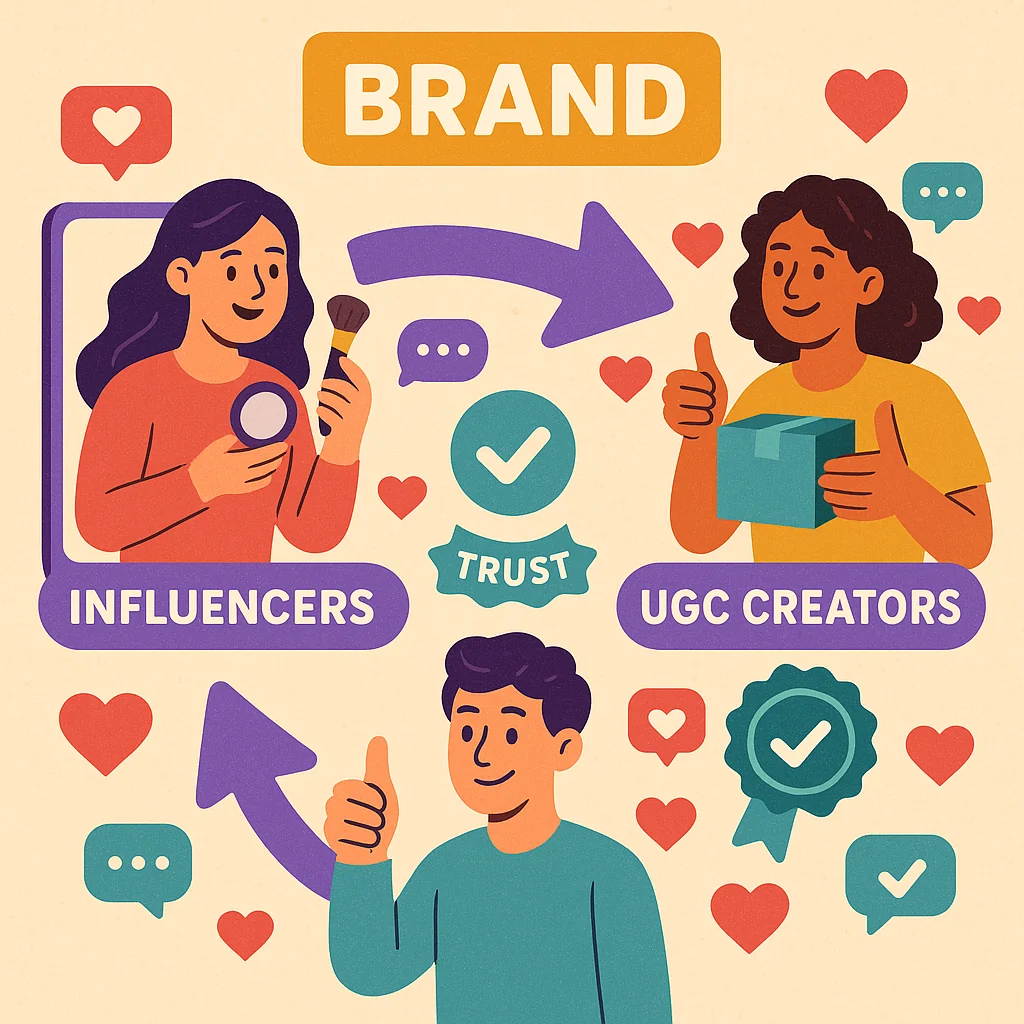
Consumers today crave authenticity. Unlike influencer marketing, which can sometimes feel scripted and commercial, UGC is created by real users who genuinely enjoy the products or services. This authenticity resonates with audiences, leading to higher engagement rates. People trust content created by their peers more than polished influencer posts. For instance, a friend’s photo of a new gadget feels more relatable and trustworthy than a staged photo from a celebrity.
Cost-Effectiveness
Another reason why brands are flocking to UGC creators and leaving influencers behind is the cost-effectiveness of UGC. Collaborating with top influencers can be expensive, often requiring substantial budgets for a single campaign. In contrast, UGC can be sourced at a fraction of the cost, offering a higher volume of content for less money. This allows brands to allocate resources more efficiently and maximize their marketing investments.
Consumer Trust and Relatability
Trust is a crucial component of any marketing strategy. Recent studies highlight that consumer trust in UGC is significantly higher compared to traditional advertising and even influencer endorsements. UGC is inherently relatable because it’s created by everyday consumers who share genuine experiences. This relatability fosters a deeper connection between the brand and its audience, leading to increased loyalty and advocacy.
In conclusion, the shift towards UGC is driven by the demand for authenticity, cost-efficiency, and consumer trust. Brands that embrace UGC are more likely to build stronger, more genuine relationships with their audiences. To stay ahead, it’s essential to understand the top social media platforms for UGC content. As we continue, we’ll delve into a detailed comparison of ROI between UGC and influencer marketing, providing further insights into this transformative trend.
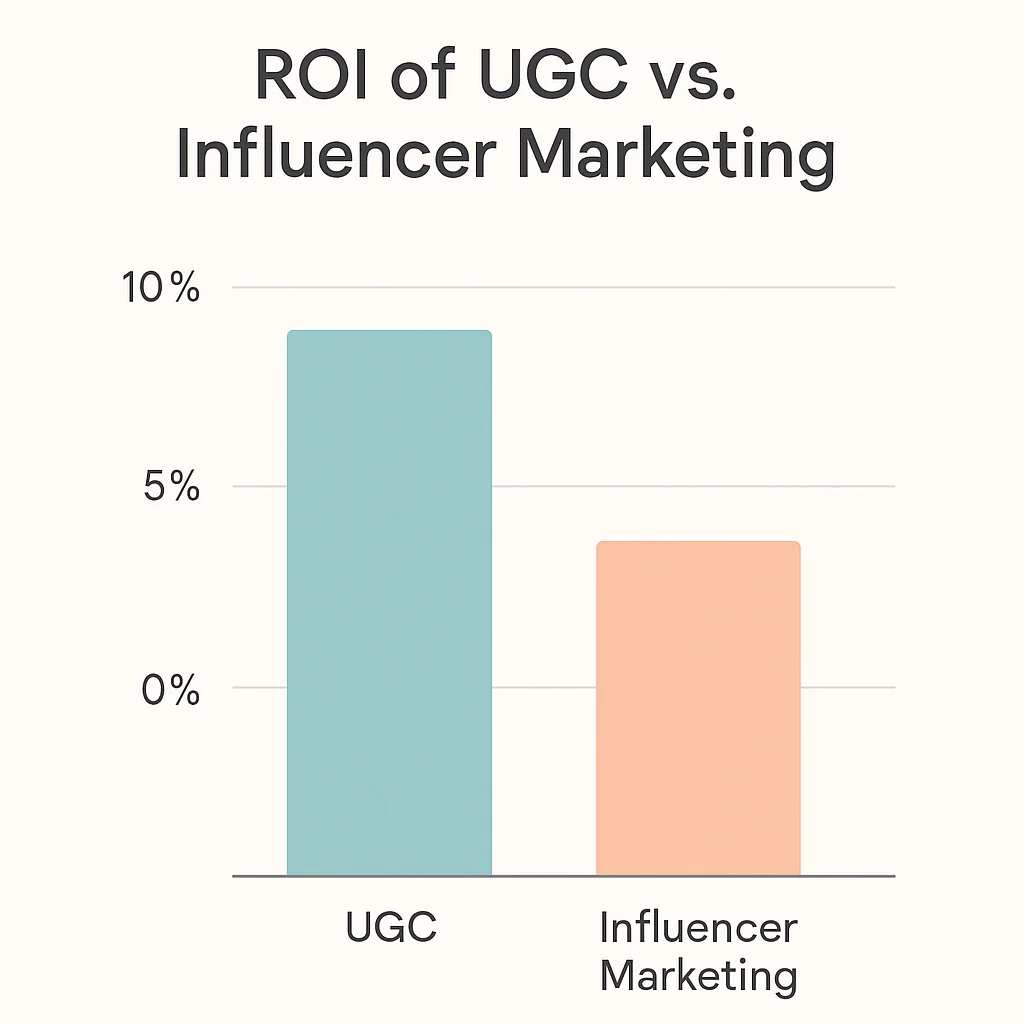
As brands increasingly recognize the value of user-generated content, it’s crucial to understand how the return on investment (ROI) from UGC compares to traditional influencer marketing.
Cost Comparison
One of the primary UGC marketing benefits is cost efficiency. Unlike influencer marketing, where brands often pay hefty fees for endorsements, UGC typically involves lower costs. Brands can leverage content created by genuine customers who are already passionate about their products. This not only reduces expenses but also often leads to more authentic and relatable content. In contrast, influencer marketing campaigns can be expensive and may not always guarantee authentic engagement.
Engagement Metrics
When it comes to engagement, user-generated content often outperforms influencer posts. Consumers tend to trust content created by their peers more than paid advertisements. This trust translates into higher engagement rates, with users more likely to like, comment, and share UGC. Additionally, UGC can be repurposed across various platforms, amplifying its reach. To ensure your UGC content is optimized for all platforms, follow our image size guide.
Long-Term Brand Loyalty
UGC also contributes significantly to long-term brand loyalty. When customers see their content featured by a brand, they feel more valued and connected. This sense of community fosters deeper loyalty and encourages repeat purchases. On the other hand, influencer marketing can sometimes feel transactional, lacking the personal touch that builds lasting customer relationships.
For a deeper understanding of the ROI from UGC campaigns, consider reviewing some case studies on ROI from UGC campaigns. These insights can help you refine your user-generated content strategies and maximize your marketing efforts.
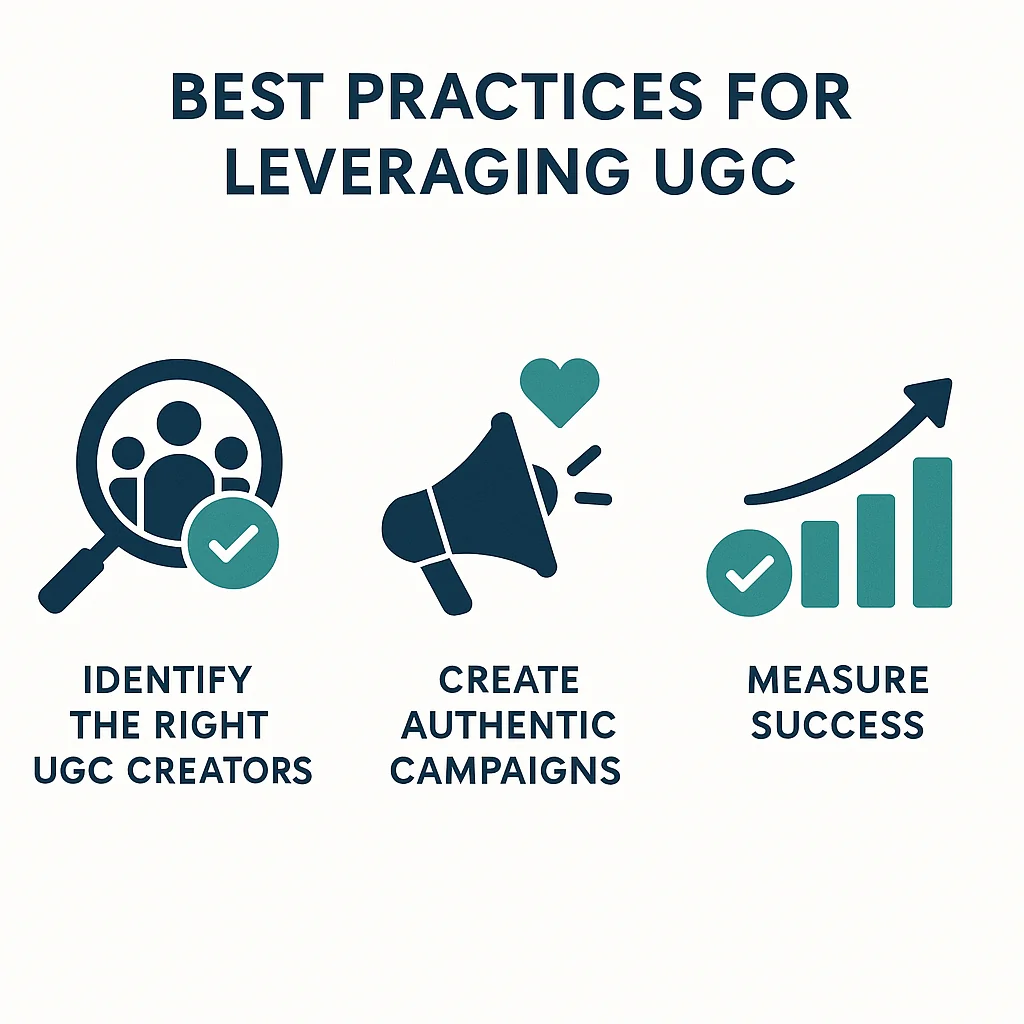
Having explored the comparative ROI between UGC and influencer marketing, it’s clear that user-generated content offers a unique value proposition. Now, let’s delve into some best practices for leveraging UGC effectively.
Identifying the Right UGC Creators
Finding the right UGC creators is crucial to the success of your campaign. Look for individuals who genuinely love and use your products. Their passion will shine through in their content, making it more authentic and relatable. Utilize social listening tools to identify potential creators who are already talking about your brand. Additionally, platforms like Instagram and TikTok have become fertile grounds for discovering emerging UGC creators.
Creating Authentic Campaigns
Authenticity is at the heart of successful user-generated content strategies. Encourage your creators to share their personal stories and experiences with your products. Avoid overly scripted content; instead, give creators the freedom to express themselves naturally. This approach not only enhances the authenticity of the content but also resonates better with the audience, fostering a deeper connection with your brand.
Measuring Success
It’s essential to measure the success of your UGC campaigns to understand their impact and optimize future efforts. Metrics such as engagement rates, conversion rates, and user sentiment are key indicators of success. Utilize tools like Google Analytics and social media insights to track these metrics. For a more comprehensive analysis, consider using specialized UGC measurement tools. For example, Billo offers detailed insights into the performance of your UGC campaigns.
Additionally, always ensure that you protect your UGC content. Learn how to protect your UGC content with watermarks to maintain its integrity and ownership.
By following these best practices, you’ll be well on your way to creating impactful and authentic UGC campaigns that drive engagement and foster genuine connections with your audience.
Building on the best practices for leveraging UGC, let’s explore some real-world case studies of successful UGC campaigns that highlight the potential and effectiveness of this strategy.

Brand A’s Successful Campaign
Brand A, a leading fashion retailer, recently launched a UGC campaign that significantly boosted their brand engagement. By encouraging customers to share their outfits on social media with a specific hashtag, they created a buzz that extended far beyond their immediate audience. This strategy not only increased their social media following but also resulted in a 30% rise in sales over the campaign period. The authenticity and relatability of real customers wearing their products resonated more deeply with potential buyers compared to traditional influencer posts.
Brand B’s Approach
Brand B, a skincare company, took a slightly different route by collaborating directly with their customers to create content. They sent free samples to selected customers and asked them to document their experience. This approach not only generated a wealth of authentic content but also built a community around their brand. The campaign’s success is evident from the 40% increase in website traffic and the significant rise in user-generated reviews. For more insights, see how makeup brands have successfully leveraged UGC in their campaigns.
Lessons Learned
These case studies highlight several key lessons:
- Authenticity is key: UGC resonates more with audiences because it feels genuine and relatable.
- Engage your audience: Inviting customers to participate in your campaign can amplify your reach and build a community.
- Leverage diverse content: Different approaches, from social media hashtags to direct collaborations, can yield impressive results.
For an in-depth look at various UGC campaigns, check out these detailed case studies on UGC campaigns.
After exploring several successful UGC campaigns, it’s essential to know the tools and platforms that can help you find the right UGC creators to boost your brand’s user-generated content strategies. Here are some of the top platforms and features to consider when searching for UGC creators, along with tips for effective collaboration.
Top Platforms for UGC Creators
- Instagram: A goldmine for UGC, Instagram allows brands to tap into a vast pool of creative users who can produce authentic content. Utilize hashtags and explore pages to find potential creators.
- TikTok: Known for its viral content, TikTok is ideal for brands looking to engage with a younger audience. Use trends and challenges to identify active UGC creators.
- Facebook Groups: These groups can be a hidden gem for discovering niche communities and passionate creators who can provide valuable content.
- Reddit: With its diverse communities, Reddit is an excellent platform for sourcing honest and creative UGC. Check out reviews of top UGC platforms to get started.
Features to Look For
- Engagement Metrics: Look for creators with high engagement rates, as this often translates to more authentic and impactful content.
- Content Quality: Assess the quality of the content they produce. High-quality visuals and storytelling can significantly enhance your brand’s image.
- Audience Demographics: Ensure the creator’s audience aligns with your target demographic to maximize the relevance and impact of the content.
- Platform Compatibility: Choose creators who are active on platforms where your brand has a strong presence.
Tips for Effective Collaboration
- Clear Communication: Establish clear guidelines and expectations to ensure the content aligns with your brand’s vision.
- Authenticity: Allow creators the creative freedom to produce content that feels genuine and resonates with their audience.
- Incentives: Offer fair compensation or incentives to motivate creators and foster long-term relationships.
- Feedback: Provide constructive feedback to help creators improve and align better with your brand’s goals.
By leveraging these tools for finding UGC creators and following best practices for collaboration, brands can enhance their user-generated content strategies effectively. Discover more about the platforms where UGC creators thrive.
As we look ahead, it’s essential to anticipate and adapt to the future trends in UGC and influencer marketing. Having explored the tools and platforms for finding UGC creators, let’s delve into what lies ahead in this dynamic landscape.

Emerging Trends
The world of UGC and influencer marketing is rapidly evolving. One of the most notable emerging trends is the shift towards micro-influencers and nano-influencers. These creators, with smaller but highly engaged audiences, are becoming more valuable to brands seeking authentic connections. Additionally, the integration of artificial intelligence and machine learning in analyzing and curating UGC will streamline the process, making it more efficient and targeted.
Predictions for the Next 5 Years
Over the next five years, we can expect UGC to become even more central to marketing strategies. As consumers continue to seek authentic and relatable content, brands will increasingly prioritize UGC over traditional influencer partnerships. Video content will dominate, with short-form videos on platforms like TikTok and Instagram Reels leading the charge. Moreover, interactive content, such as polls and quizzes, will become a staple in engaging audiences. For a comprehensive understanding, refer to industry reports on future marketing trends available here.
Leave a Reply